The Department of Homeland Security is effectively running on fumes, and the White House just threw a match onto the remaining fuel. By setting a June 1 deadline to force a massive immigration funding package through a fractured Congress, the administration is betting everything on a high-stakes procedural maneuver known as budget reconciliation. This isn't just another beltway spat; it is a calculated attempt to bypass the 60-vote Senate threshold and permanently reshape federal law enforcement. If the gamble fails, the "One Big Beautiful Bill" funding that has kept TSA agents and Border Patrol on the job without traditional appropriations will vanish, leaving the nation's travel and security infrastructure in an unprecedented freefall.
The Reconciliation Gambit
To understand why the June 1 date matters, you have to look at the machinery of the Senate. Under normal circumstances, Democrats can filibuster any spending bill that doesn't meet their demands for ICE oversight and body-camera mandates. The administration is tired of negotiating. By invoking budget reconciliation, Republicans are attempting to treat $70 billion in immigration enforcement as a purely budgetary matter, which requires only a simple 51-vote majority to pass.
This isn't a silver bullet. The "Byrd Rule" allows the Senate Parliamentarian to strip out any provision that is deemed "merely incidental" to the budget. If the policy changes Democrats loathe—like the removal of mask mandates for agents or broader detention powers—are ruled non-budgetary, the entire bill could be gutted before it even reaches the floor. The June 1 deadline is less about a calendar and more about a fiscal cliff. Secretary of Homeland Security Markwayne Mullin has signaled that the emergency funds currently paying salaries will be exhausted during the first week of May. We are looking at a period where federal agents will be expected to work for weeks with zero guarantee of a back-dated paycheck.
Why the Minnesota Shootings Changed the Math
The current deadlock didn't emerge from a vacuum. The January 2026 shootings in Minnesota involving federal agents acted as a catalyst that hardened Democratic resolve. For the first time in years, the opposition isn't just arguing about "wall" funding; they are demanding a total overhaul of how federal agents interact with the public.
- Democratic Demands: Mandated body cameras, visible identification at all times, and a ban on tactical face masks.
- Republican Stance: These measures are "poison pills" that endanger agent safety and hamper enforcement efficiency.
The result is a partial shutdown that has already crippled the TSA. We’ve seen wait times at George Bush Intercontinental Airport hit four hours, and over 300 TSA officers quit in a single week. Sending ICE agents to airports to help with security—as happened in late March—was a desperate stopgap that proved ineffective because those agents lacked the specific training for passenger screening.
The June 1 Pressure Cooker
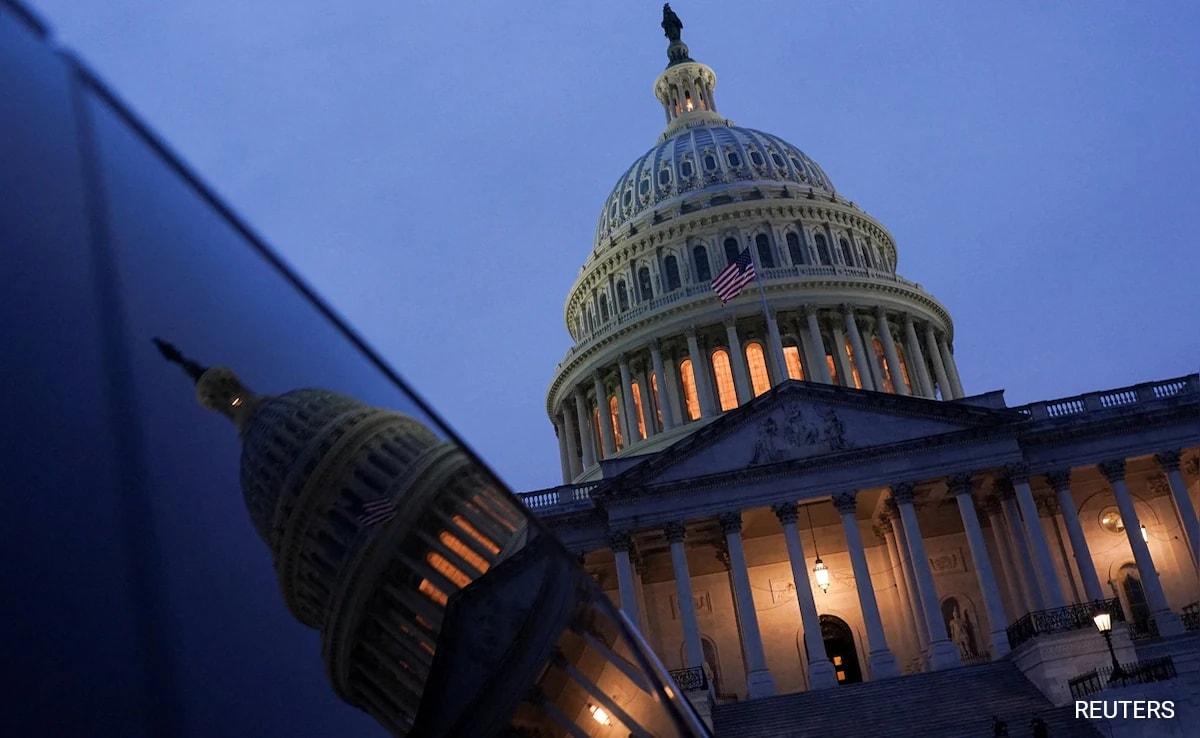
Speaker Mike Johnson is currently caught between a restive House majority and the President's demand for a "Blueprint" vote. The strategy is to pass the Senate’s budget resolution exactly as written to avoid a time-consuming conference committee.
| Milestone | Date | Significance |
|---|---|---|
| Committee Submissions | May 15 | Committees must finalize the $70 billion allocation details. |
| Senate Vote-a-Rama | Mid-May | A marathon of amendments designed to exhaust the opposition. |
| The Hard Deadline | June 1 | The point of no return for DHS payroll liquidity. |
If the House fails to adopt the Senate framework by next week, the timeline for a June 1 final bill becomes mathematically impossible. The legislative process for reconciliation is notoriously slow, requiring 50 hours of debate and a "vote-a-rama" where senators can propose unlimited amendments.
The Cost of the Standoff
While the "One Big Beautiful Bill" of 2025 provided a temporary cushion, that cushion is now flat. The U.S. Coast Guard, FEMA, and the Secret Service are all tethered to this single legislative fight. In February, FEMA had to suspend non-disaster responses. If the June 1 deadline passes without a signature, we aren't just looking at long airport lines; we are looking at a total cessation of non-essential maritime patrols and a freeze on new disaster relief grants.
The administration is betting that Democrats will blink when the TSA call-outs hit 60% or 70%, effectively grounded the nation’s air travel. However, the opposition sees this as a fundamental fight over civil rights and oversight that they cannot afford to lose.
The gamble is that the reconciliation process can be completed in less than five weeks—a feat rarely achieved in modern congressional history. If the procedural hurdles or the Parliamentarian’s "Byrd Droppings" slow the momentum, the June 1 deadline won't be a victory celebration; it will be the day the DHS lights go out for good.
Congress is no longer debating policy; they are playing a game of chicken with the federal payroll.