
The United States is currently teetering on the edge of a massive military confrontation with Iran, a reality that has moved beyond theoretical briefings to the cold movement of carrier strike groups and the sharpening of legislative knives on Capitol Hill. By early next week, Democrats in both the House and Senate plan to force a high-stakes vote on a War Powers Resolution, a desperate attempt to strip the President of his ability to launch a unilateral "war of choice" against Tehran. This isn’t just about stopping a strike; it’s a constitutional cage match that hasn't been this intense since the height of the Vietnam era.
The urgency stems from a massive U.S. military buildup in the Persian Gulf, estimated to include nearly 50% of the nation’s deployable naval assets. While the administration points to Iran’s renewed nuclear ambitions and its suppression of domestic dissent as justification for potential "kinetic action," a bipartisan coalition of lawmakers argues that the executive branch is sleepwalking the country into a regional catastrophe without a mandate from the people.
The Mechanics of the Legislative Ambush
The upcoming floor votes are not merely symbolic gestures. They are being triggered through "privileged" status under the War Powers Act of 1973, a statute that allows any member of Congress to bypass leadership and compel a vote on the withdrawal of U.S. forces from unauthorized hostilities.
In the House, Representative Ro Khanna and Republican Thomas Massie have formed an unlikely alliance to advance a resolution that would require explicit congressional authorization for any offensive military action against Iran. Senator Tim Kaine is leading a parallel effort in the upper chamber. Unlike typical bills that languish in committees, these resolutions demand immediate floor time, forcing every lawmaker to go on the record during a moment of extreme geopolitical volatility.
The strategy is clear: force a public debate that the White House has so far avoided. If the resolutions pass, they would theoretically prevent the President from using funds for military strikes, though history suggests the executive branch rarely yields its "Commander-in-Chief" powers without a fight.
A History of Executive Overreach
To understand why this fight is happening now, one must look at the recent precedent set in Venezuela. Earlier this year, the administration launched a unilateral operation to capture Nicolas Maduro, citing inherent Article II powers. While that mission was tactically successful, it left a bitter taste in the mouths of lawmakers who saw it as the final erosion of the Declare War Clause found in Article I, Section 8 of the Constitution.
The White House maintains that the War Powers Act is an unconstitutional infringement on the President’s authority to conduct foreign policy and defend national security. They argue that notifying Congress of specific strike windows would lead to "leaks" that put American service members at risk. This tug-of-war has created a legal gray zone where the President acts and Congress reacts, usually too late to change the outcome on the ground.
The Fracturing Consensus
Despite the unified front from Democratic leadership, the vote count is far from certain. The opposition is not purely partisan. Centrist Democrats like Representative Josh Gottheimer and some Republicans have voiced concerns that passing such a resolution signals weakness to Tehran at the exact moment negotiations are stalled in Geneva.
They argue that by "tying the President's hands," Congress is removing the credible threat of force that might actually bring Iran back to the bargaining table. The internal friction is palpable:
- The Hawks: Argue that Iran is days away from a nuclear breakout and that "flexibility" is the only way to prevent a mushroom cloud.
- The Constitutionalists: Contend that no matter the threat, the law is the law. They believe a war started in secret is a war destined to fail.
- The Realists: Fear that even if the resolution passes, the President will simply veto it, leaving the military in a state of legal limbo while the missiles are already in the air.
The Ghost of Forever Wars
Behind the legal jargon of "statutory authorization" and "concurrent resolutions" lies a deeper, more visceral fear among the American public. There is a profound exhaustion with Middle Eastern interventions that begin with "limited strikes" and end in decades of instability.
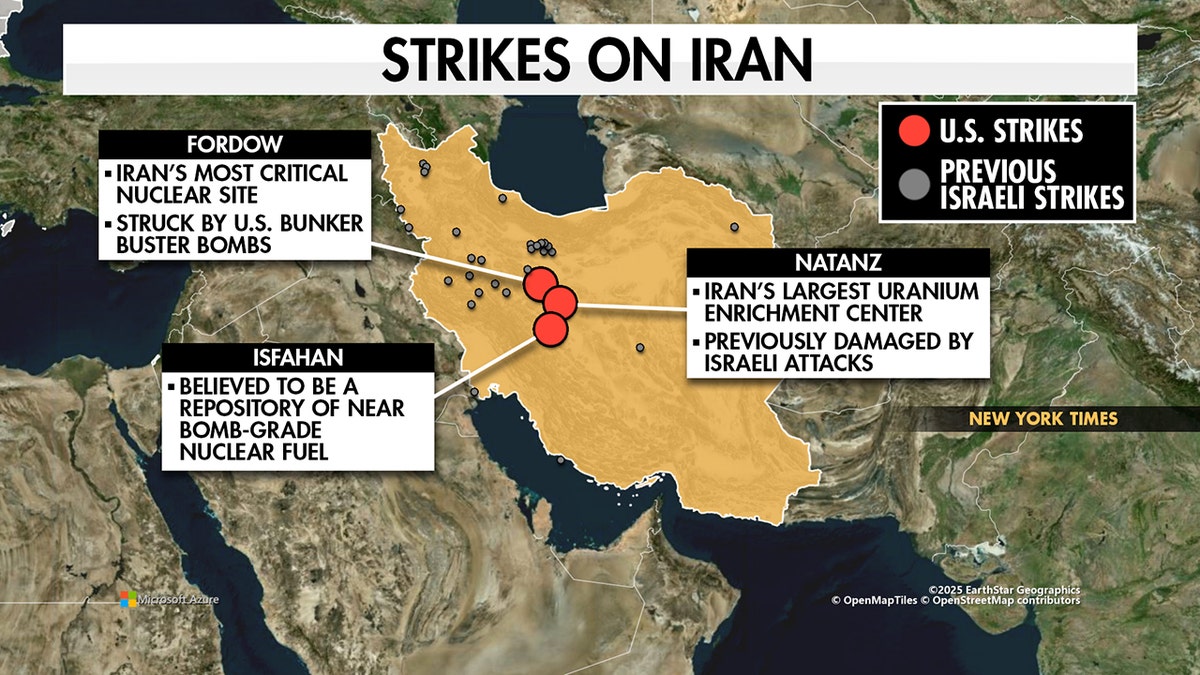
Lawmakers like Senator Ruben Gallego, an Iraq veteran, have been vocal about the human cost of these maneuvers. They are pointing to the fact that just six months ago, the administration claimed Iran’s nuclear program was "obliterated" during Operation Midnight Hammer. To now claim the threat is so imminent that there is no time for a 48-hour debate strikes many in Washington as a repeat of the flawed intelligence that led to the 2003 invasion of Iraq.
The coming week will determine more than just the trajectory of U.S.-Iran relations; it will test whether the legislative branch still possesses the will to act as a check on the most significant power a government can exercise: the power to go to war. If the votes fail, the path to a regional conflict becomes a straight line, driven by an executive branch that increasingly views congressional approval as an optional courtesy rather than a constitutional requirement.
Would you like me to track the specific whip counts for the House vote as they become available?

:max_bytes(150000):strip_icc()/apt.asp-final-e1723d0571a1424bbd76d6c7651e7e44.png)