The 4% explosion in European equities following the U.S.-Iran ceasefire is not a signal of lasting peace, but a violent unwinding of a "fear premium" that had become detached from reality. When Donald Trump pivoted from a "stone age" bombing threat to a two-week diplomatic pause just sixty minutes before his Tuesday deadline, he did more than just prevent a regional conflagration. He triggered a massive, automated short-covering rally that has sent travel stocks like IAG and Lufthansa soaring 7%, while simultaneously gutting the energy majors that had spent the last six weeks profiting from the misery of a blocked Strait of Hormuz.
This is a market breathing in for the first time since February. But beneath the green screens, the structural vulnerabilities of the European economy remain as precarious as they were when Brent crude was flirting with $120 a barrel.
The Hormuz Trap and the Mirage of Recovery
For six weeks, the global economy looked into the abyss of a closed Strait of Hormuz. The 16% plunge in oil prices—bringing Brent back down to the $94 range—is the primary driver of today's surge in the DAX and CAC 40. Energy costs in Europe are not merely an inflationary metric; they are the literal lifeblood of German manufacturing and French industry. When the Iranian Foreign Ministry confirmed that shipping passage would be "managed" rather than blocked during this fourteen-day window, the relief was palpable.
However, the "management" of the Strait by Iranian armed forces is a poisoned chalice. Shipowners and insurers are already whispering about the "Hormuz Surcharge." Even with a ceasefire, the cost of moving goods through a zone where a two-week timer is ticking remains astronomical.
Why Travel Stocks Are Leading the Pack
The 7% jump in travel and leisure is the result of a double-tailwind.
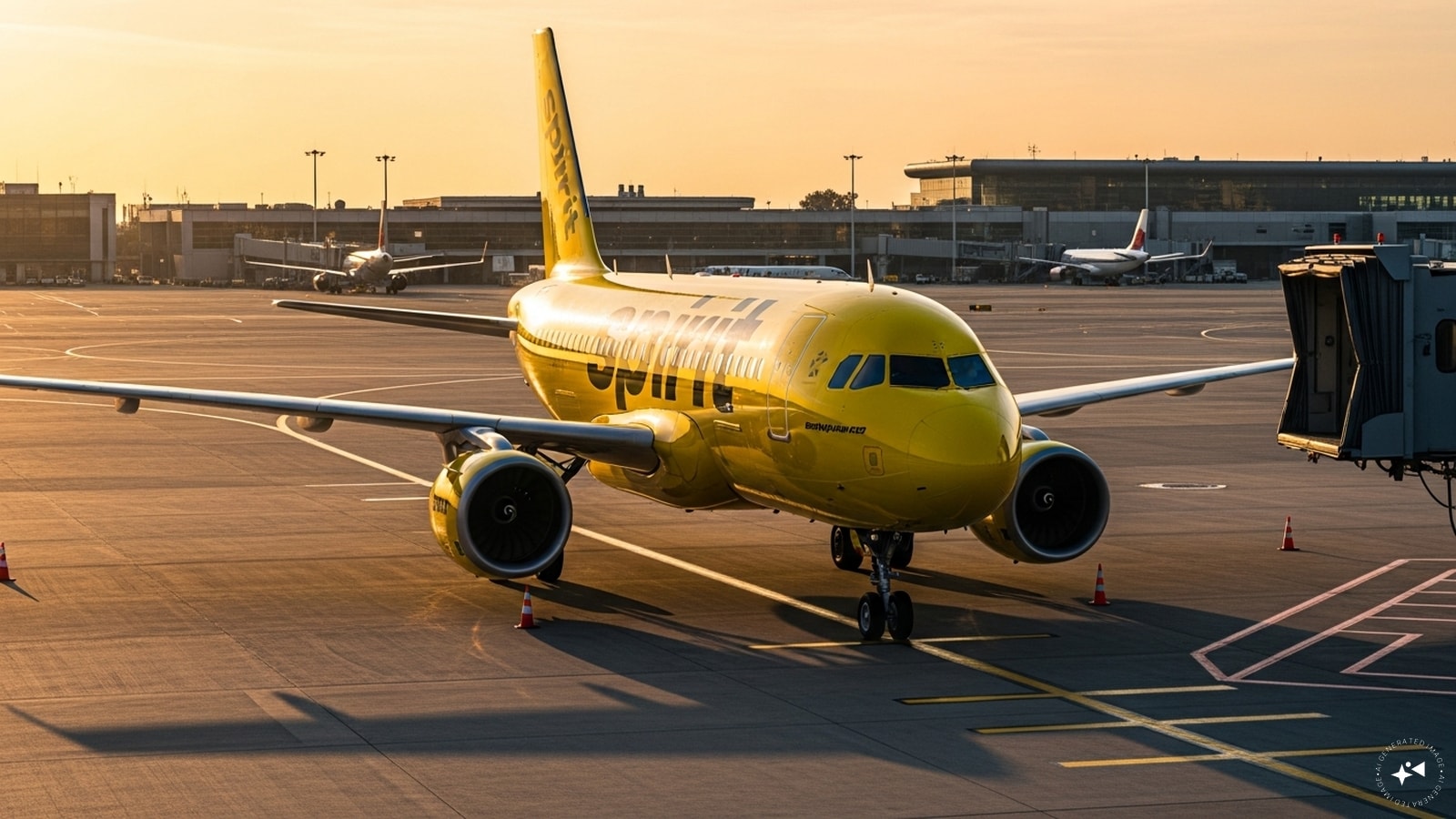
- Fuel Costs: Jet fuel is the single largest variable cost for airlines. The pandemic-level drop in crude prices today is an immediate gift to the bottom line of carriers like Air France-KLM.
- Consumer Sentiment: Geopolitical dread is a silent killer of discretionary spending. The sudden removal of "World War III" from the news cycle has unleashed a wave of pent-up demand for summer bookings.
But let’s be clear. Buying a travel stock today because of a two-week truce is a high-stakes gamble on the temperament of two of the most unpredictable administrations in modern history. If negotiations stall on the tenth day, that 7% gain will vanish in a pre-market heartbeat.
The Brutal Rotation Out of Defensive Safe Havens
While the headlines focus on the winners, the carnage in defensive sectors tells the real story of this market shift. For the past month, investors treated Shell, BP, and TotalEnergies as high-yield savings accounts. Today, those same investors are dumping energy positions with a ferocity that suggests they never believed in the long-term price of $110 oil.
Shell and BP are down over 5% in a single session. This is a classic "rotation of necessity." To fund the purchase of beaten-down tech and travel stocks, institutional desks must liquidate the only things that were actually making them money during the crisis. This creates a vacuum in the energy sector that could lead to extreme volatility if the ceasefire fails to hold beyond April 21.
The Gold Paradox
Gold prices, interestingly, have not cratered in the way one might expect during a "peace" rally. Trading near $4,800 an ounce, the precious metal is holding a significant portion of its gains. This suggests that the "smart money" isn't convinced this is a permanent solution. They are keeping their insurance policies active even as they play the momentum in the equity markets.
Europe's Dependency Crisis Remains Unsolved
The European Union remains the most vulnerable major economy to Middle Eastern instability. Unlike the U.S., which has the cushion of domestic shale production, Europe’s industrial base is a hostage to global supply chains. Today's 4% surge hides the fact that the Eurozone's growth outlook for 2026 is still a modest 1.4%—a figure that assumes no further disruptions.
We are seeing a relief rally, not a growth rally. The fundamental issues—high debt levels in the periphery, the ongoing trade friction with both the U.S. and China, and an aging demographic—have not changed. A two-week ceasefire in a war thousands of miles away doesn't fix a broken industrial strategy in Brussels.
The Two-Week Countdown to Reality
The markets are currently operating on the assumption that the 10-point proposal brokered by Pakistan will lead to a permanent accord. This is optimistic at best. The sticking points—uranium enrichment levels and the presence of U.S. naval assets in the Persian Gulf—have not been resolved. They have merely been postponed.
Investors who are chasing this 4% move need to look at the calendar. On April 22, the ceasefire expires. If there is no signed document, the "bombing and attack" that Trump suspended will back on the table. The volatility we saw on Tuesday morning—where the FTSE 100 looked like it was heading for a bear market before the 8 p.m. reprieve—is a preview of what happens if the diplomacy fails.
The strategy for the next ten days is simple: enjoy the bounce, but keep the exit door in sight. This isn't the start of a new bull market. It’s a temporary reprieve in a very dangerous game.
Move your stops up. Tighten your hedges. The peace is conditional, and in this market, "conditional" usually means "expensive."