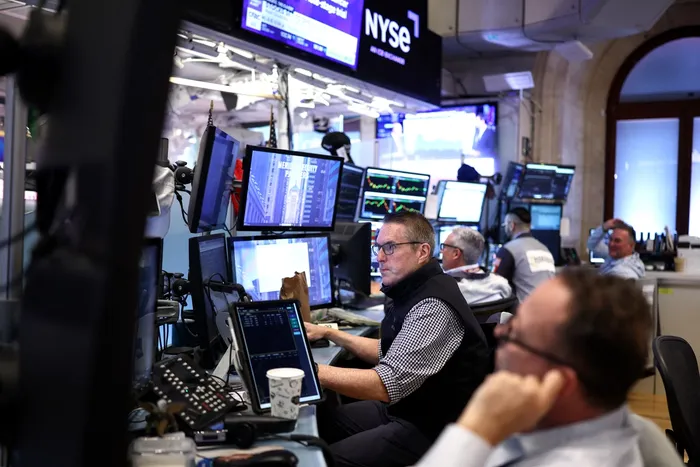
Crude oil prices are sliding today because traders are betting on a ghost. The market is currently obsessed with the prospect of a second round of peace talks between Washington and Tehran, scheduled for this week in Islamabad. Optimism is the prevailing currency on the trading floors, fueled by rumors that Iran might accept a five-year pause on uranium enrichment in exchange for a lift on the naval blockade of its ports. But this downward trend in pricing is a fragile illusion built on the desperate hope of avoiding a long-term supply shock.
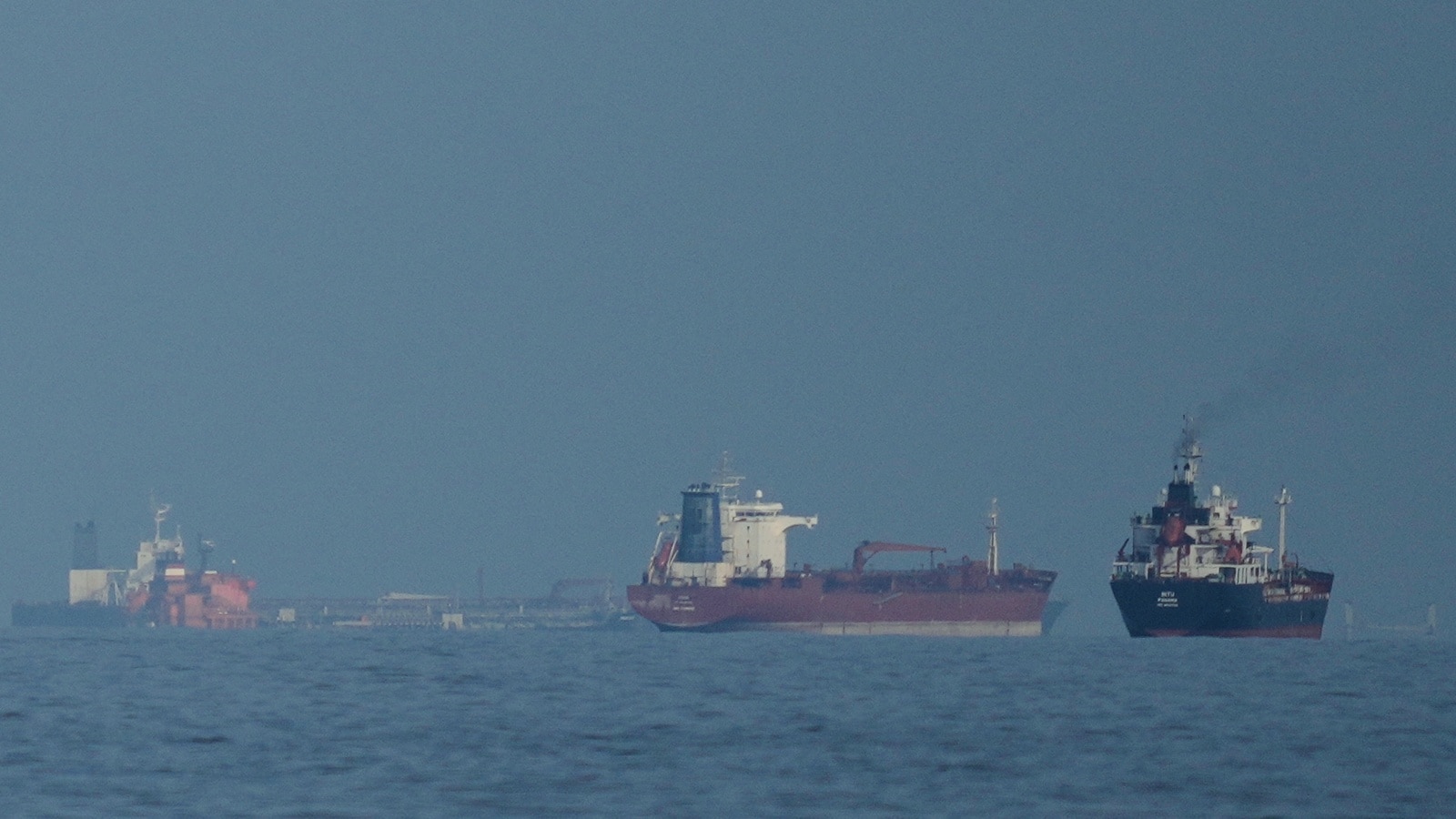
The reality on the water tells a far more cynical story. While Brent crude futures dipped toward $120 per barrel this morning, the physical infrastructure of the global energy trade remains in a state of unprecedented trauma. Nearly 20% of the world's oil supply is still technically choked by a combination of Iranian threats and a tightening U.S. naval blockade. This isn’t just a temporary dip in production; it is the most severe oil supply shock in modern history, and a single weekend of talks in Pakistan is unlikely to undo the structural damage already inflicted on the Middle East energy corridor.
The Blockade Gamble
The current administration is playing a high-stakes game of "Economic Fury." By refusing to renew the 30-day sanctions waivers that expired this week, the U.S. Treasury has essentially signaled that it is willing to risk a global recession to break Tehran’s resolve. These waivers previously allowed roughly 140 million barrels of stranded Iranian oil to reach global markets, acting as a critical vent for price pressure. With that vent now closed, the only way for prices to stay down is if a comprehensive deal is signed, sealed, and delivered within days.
That is a remarkably tall order for a conflict that has already seen direct military engagement. The U.S. Central Command claims to have completely halted economic trade via sea, and while some "ghost" tankers continue to slip through the cracks, the volume is a mere trickle compared to the 2.1 million barrels per day Iran was aiming to export this year. We are witnessing a controlled demolition of the Iranian oil industry.
Why the Islamabad Talks Might Fail
The market is pricing in a "grand bargain," but the domestic politics in both nations suggest a stalemate. Vice President JD Vance recently noted that while Iran moved closer to the U.S. position during the first round of negotiations, they "didn’t move far enough." The sticking point isn't just the nuclear clock; it's the 20-year moratorium demanded by Washington versus the five-year pause offered by Tehran.
- Political Survival: For the Iranian leadership, a 20-year freeze is viewed as a total surrender of sovereignty.
- The Supreme Leader's Veto: Iranian negotiators are on a short leash. Every significant concession requires a return to Tehran for approval, a process that doesn't mesh with the rapid-fire pace of global oil markets.
- The Israeli Factor: Prime Minister Benjamin Netanyahu has been clear that Israel’s goals are "identical" to Washington’s, but his definition of success includes the total elimination of enrichment capability—a demand that goes far beyond a temporary pause.
The Supply Gap Nobody is Talking About
Even if a ceasefire is signed tomorrow, the "coils" of the oil market cannot be easily unwound. The International Energy Agency (IEA) reports that global oil supply plummeted by over 10 million barrels per day in March alone. That is a staggering figure. While the U.S. and Brazil have ramped up production, they are trying to fill a canyon with a shovel.
The infrastructure in the Strait of Hormuz is not a light switch. You don't just "turn it back on." There are massive backlogs of tankers, damaged shipping lanes, and a shattered insurance market for maritime trade in the Gulf. Risk premiums for shipping in the region have reached all-time highs, and those costs are eventually passed down to the pump, regardless of what the futures price says on a screen in London or New York.
Demand Destruction is Already Here
While the West worries about prices, the East is feeling the physical shortage. Asia-Pacific refineries, which are more heavily reliant on Middle Eastern crude, have already cut runs by roughly 6 million barrels per day. We are seeing the beginning of demand destruction—not because people don't want the oil, but because they physically cannot get it or afford it.
The EIA has already halved its global demand growth forecast for 2026. This isn't just about high prices; it's about the fundamental breakdown of the supply chain. When a major economy like China adds 40 million barrels to its tanks in a single month out of fear, it creates a self-fulfilling prophecy of scarcity.
The SPR is Not a Bottomless Pit
The U.S. has leaned heavily on the Strategic Petroleum Reserve (SPR) to dampen the blow of Operation Epic Fury. But the SPR is a finite tool. We are currently seeing global inventory draws of 5.1 million barrels per day. At this rate, the buffer that has protected the American consumer from $200 oil will be dangerously thin by the end of the year.
The market's current dip is a reaction to the possibility of peace, but it ignores the certainty of the current deficit. OPEC+ has kept its forecasts unchanged, a move that signals they are not coming to the rescue. They are sitting on their hands, watching the two biggest disruptors in the market—the U.S. and Iran—slug it out, while their own members' production stays constrained by the same geography.
The belief that a deal in Islamabad will instantly restore the flow of 2.15 million barrels of Iranian crude is a fantasy. The Iranian oil industry is suffering from outdated extraction systems and years of underinvestment. Even if sanctions were lifted today, reaching their budget target of 3.75 million barrels per day of production would take years of Western capital and technical assistance—two things that are definitely not on the table in Pakistan this week.
Watch the naval movements in the Arabian Sea, not the press releases from the Islamabad Marriott. If the U.S. begins "quarantining" vessels in the coming days as the Treasury has threatened, today's price drop will be remembered as the last moment of calm before a much larger storm. The market is betting on a handshake, but the reality is a blockade that shows no signs of moving.