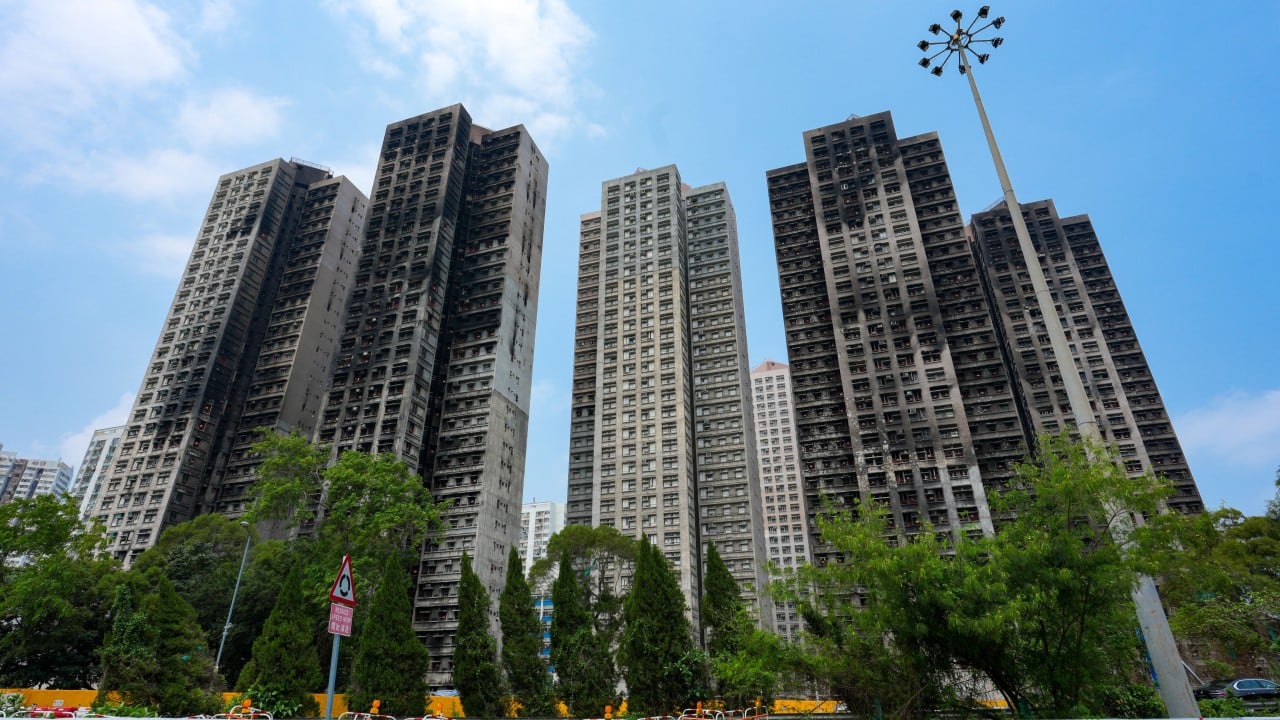
The fire that gutted a residential unit in Tai Po was not just a tragedy of sparks and smoke. It was a glaring alarm for a systemic failure within Hong Kong’s Urban Renewal Authority (URA). While the public focuses on the charred remains of a single building, the real disaster lies in the procurement processes that allowed "unscrupulous consultants" to siphon funds meant for safety. The URA failed to implement basic price checks, effectively handing a blank check to contractors who prioritized profit over the structural integrity of the city’s aging housing stock.
This is a crisis of oversight. When the URA invites private consultants to manage building rehabilitation, it assumes a level of professional ethics that simply does not exist in the cut-throat world of local construction tenders. By neglecting to verify market rates for essential fire safety upgrades, the authority didn't just stumble. It opened a side door for a network of consultants to inflate costs, stall projects, and leave residents living in tinderboxes.
The Mechanics of a Renovation Shakedown
To understand how the Tai Po situation spiraled, you have to look at the "middleman" economy of Hong Kong building management. Most owners’ corporations are composed of retirees and working-class residents with zero background in civil engineering. They rely entirely on consultants to vet bids for fire safety works, such as installing fire-rated doors or upgrading sprinkler systems.
These consultants often operate in a grey zone. In the Tai Po case, the lack of a standardized price database from the URA meant there was no benchmark for what a fair price looked like. If a consultant suggested a bid that was 40% above market value, the owners had no way to know. The URA, despite being the funding body, remained hands-off. This passivity is the fuel for corruption.
Consider the way these bids are structured. A consultant might bundle essential fire safety work with cosmetic "beautification" projects. By inflating the costs of the cosmetic items—which are harder to price-match—they hide the kickbacks and margins that drain the rehabilitation fund. The fire safety components are then executed with the cheapest possible materials to maximize the spread. It is a shell game where the stakes are human lives.
Why Price Checks Are Not Just Bureaucracy
Critics often argue that more regulation slows down the pace of urban renewal. That is a convenient lie told by those who benefit from the chaos. Price checks are the only mechanism that prevents the "bid-rigging" culture from consuming the billions of dollars allocated to the Mandatory Building Inspection Scheme (MBIS).
The URA has historically behaved more like a bank than a regulator. They dispense grants and subsidies but rarely step into the muck of the actual tender process. This distance creates a vacuum. When the authority does not provide a reference list for material costs, it abdicates its responsibility to the taxpayer. If the government is footing the bill for safety, it has a moral and fiscal duty to ensure that a dollar spent on a fire door actually buys a fire door, not a consultant's new luxury car.
The Tai Po fire probe revealed that several consultants involved in "Operation Bright Building 2.0" were operating without any meaningful fiscal scrutiny. Without a ceiling on what the URA would approve for specific line items, these firms simply tested how high they could push the numbers before anyone noticed. Nobody noticed until the smoke cleared.
The Myth of Competitive Tendering
We are told that the market regulates itself through competitive bidding. In the context of Hong Kong’s older districts, this is a fantasy. Many of these "competitors" are linked through shell companies or informal agreements to keep prices artificially high. This is "bid-rigging lite," and it thrives when the central authority refuses to look at the ledger.
The Consultant Monopoly
- Information Asymmetry: Consultants hold all the technical data, leaving residents powerless to argue against inflated quotes.
- Conflict of Interest: Firms often recommend contractors with whom they have undisclosed "referral" agreements.
- The Paper Trail Problem: Because the URA doesn't mandate a standard cost-reporting format, auditors struggle to compare one project to another.
The URA’s defense has traditionally been that they are not the "employer" of these consultants; the owners’ corporations are. This is a legal shield used to deflect accountability. If the URA provides the funding, they have the leverage to set the rules. They chose not to use it.
Lessons from the Charred Walls of Tai Po
The investigation into the Tai Po incident shouldn't just result in a few fines for a handful of firms. It should trigger a complete overhaul of how the URA interacts with private consultants. The authority needs to move from a "grant-and-forget" model to an "active oversight" model.
This means building a real-time price database for common building materials and labor costs. If a bid comes in 15% above the standard deviation for the district, it should be flagged for manual review immediately. There is no excuse for the URA to be surprised by "unscrupulous" behavior in 2026. This behavior has been the industry standard for decades.
Furthermore, the URA must establish a blacklist for consultants who consistently oversee projects that go over budget or fail safety inspections. Accountability in the Hong Kong construction sector is notoriously slippery, with companies dissolving and reforming under new names overnight. Tracking the individuals behind these firms, rather than just the corporate entities, is the only way to stop the cycle.
Reclaiming the Safety Mandate
The residents of Tai Po were let down by a system that prioritizes the speed of administrative "completion" over the reality of structural safety. The fire was the physical manifestation of a bureaucratic void.
Every building in Hong Kong that currently has an open file with the URA for rehabilitation is at risk. If the authority continues to allow consultants to dictate terms without rigorous, data-driven price checks, the next fire will not be an accident. It will be the predictable result of a system that values the comfort of its contractors more than the lives of its citizens.
The URA must now decide if it is a partner in urban renewal or a silent financier for the exploitation of the city’s most vulnerable residents. Anything less than a total enforcement of price transparency is a betrayal of the public trust. The days of the "hands-off" regulator must end. Owners need more than just money; they need a protector who understands the true cost of safety and refuses to let the middleman take a cut of the survival fund. Stop the flow of unchecked capital, and the unscrupulous consultants will find somewhere else to play.