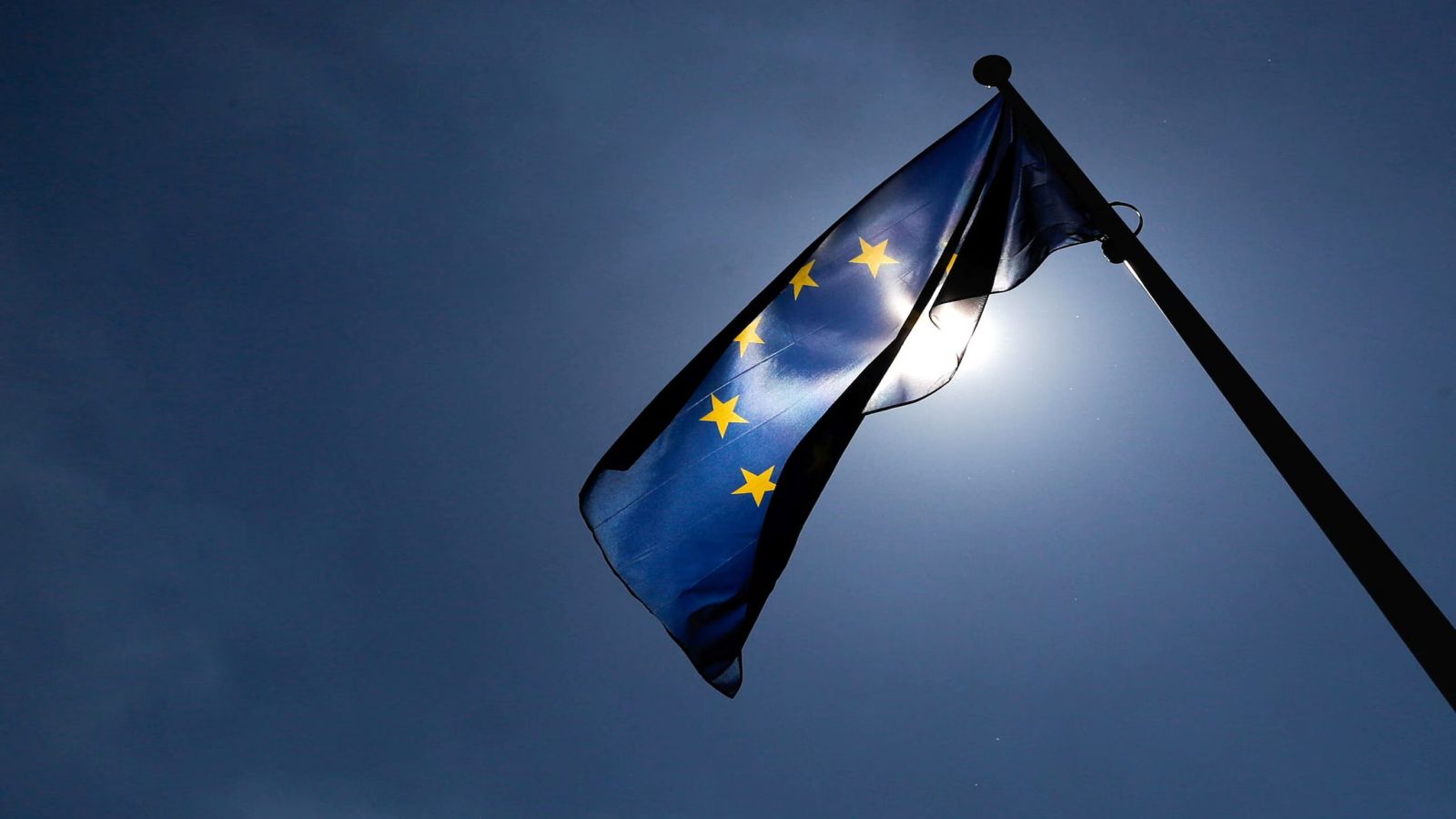
When European Commission President Ursula von der Leyen floated the idea of Canada becoming the European Union's first "associate member", political capitals took notice. It sounds like a dramatic geopolitical headline, but beneath the flashy terminology lies a messy policy debate that nobody has fully figured out yet. Prime Minister Mark Carney and EU leaders have spent recent summits hashing out what this even means, but the concept currently exists more as a political ambition than a concrete legal reality.
If you look past the diplomatic handshakes in Montreal and Brussels, you find a pragmatic scramble by middle powers trying to insulate themselves from unpredictable global trade shocks. Let's break down what this proposed status actually entails, why European capitals are already pushing back, and what it means for the future of transatlantic relations. You might also find this connected story interesting: Anatomy of a Hundred Day Crisis.
What Associate Membership Actually Entails
Right now, the term "associate member" doesn't have an official legal definition within existing EU treaties. Traditional enlargement candidates like Ukraine, Moldova, and the Western Balkan states follow a well-trodden path toward full integration. Canada isn't moving across the Atlantic Ocean, and nobody expects Ottawa to adopt the euro or sit as a voting member in the European Parliament.
Instead, the proposal points toward an institutionalized, deep-tier alliance that goes far beyond standard free trade agreements like CETA. Think joint manufacturing initiatives, tech and artificial intelligence frameworks, integrated defense industrial bases, Arctic security cooperation, and critical mineral supply chains. As discussed in recent reports by BBC News, the results are worth noting.
The core driver here is economic and strategic de-risking. With major superpowers weaponizing tariffs and supply chains, middle powers are looking for safety in numbers. By aligning regulations and pooling resources, Canada and the EU hope to build a unified economic space that can withstand external shocks.
The Obstacles and Internal Pushback
Labels matter in international diplomacy, and this particular label has ruffled feathers where it counts. Germany, along with a few other member states, has expressed strong reservations about introducing the "associate member" title for a non-European nation, viewing it as a potential red line. Some European officials worry about diluting existing institutional definitions, while others argue the title creates unnecessary legal ambiguity.
Carney himself downplayed the branding friction, noting that the specific name of the partnership matters less than the substance. Yet critics point out a fundamental catch. If Canada gains deep access to European markets without taking on full voting membership, it risks sliding into a "rule-taker" dynamic similar to models seen with other non-EU European neighbors. Historically, Canadian economic policy has been tightly bound to its southern neighbor. Pivoting toward European standards requires a massive structural alignment that won't happen overnight.
Why This Shift Is Happening Now
You don't need a degree in geopolitics to see why Ottawa and Brussels are cozying up. Trade threats, shifting American administrations, and aggressive industrial policies from China have forced middle powers to diversify. When traditional alliances face constant strain, governments look for reliable partners that share democratic values and regulatory philosophies.
For ordinary citizens, the practical benefits will ultimately be judged by real-world outcomes rather than high-sounding declarations. If this new alliance delivers simpler mobility rules for young people wanting to work and study abroad, enhanced research grants, and stable supply chains for critical goods, it will succeed. If it gets bogged down in semantic turf wars over what to call the partnership, it will fade away like so many other diplomatic communiqués.
The next few months will require serious legislative and diplomatic heavy lifting to turn a political brainstorm into a functional framework. Watch the upcoming summits to see whether the ambition survives the bureaucratic reality check.
This video provides a helpful overview of the proposals surrounding Canada's potential new status within the European Union.