Australia's political establishment wants you to believe that forcing a handful of China-linked entities to dump their minority shares in junior miners like Northern Minerals solves Western supply chain vulnerability. Treasurer Jim Chalmers drops the hammer, the media applauds another blow for national security, and everyone pretends that shuffling equities on a registry changes physical reality.
It is a comforting illusion. It is also completely useless.
Strip away the Canberra press releases, and you find a systemic misunderstanding of how the global critical minerals apparatus actually functions. Let us look past the patriotic flag-waving and examine the mechanics of what happens when you substitute administrative prohibition for industrial competence.
The Ownership Fallacy
The lazy consensus in modern geopolitical commentary assumes that if you ban a Chinese investor from holding direct equity, you have successfully excised Chinese influence from the asset. This is operational illiteracy.
I have watched corporate boards scramble to comply with Foreign Investment Review Board mandates, spending millions on legal triage while missing the forest for the trees. Equity ownership is a lagging indicator of market power. China does not need 17% of a sub-scale Australian heavy rare earths developer to control the outcome. They control the midstream.
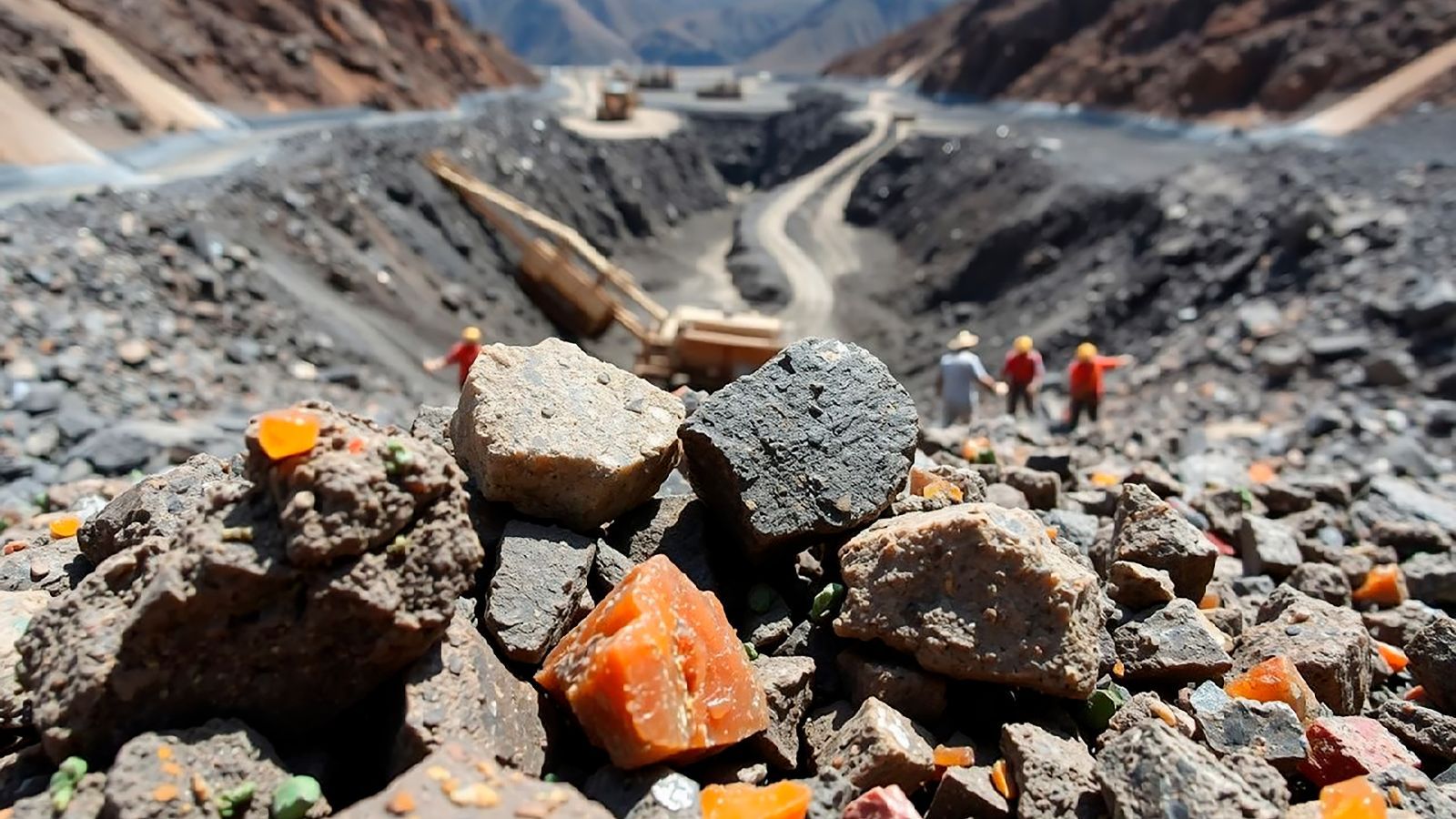
Dig up dysprosium or terbium out of the dirt at Browns Range all you want. Unless you have a multi-billion-dollar separation facility, a specialized chemical refinery, and a functioning acid-recovery loop, you are sitting on a pile of contaminated rock. Right now, Western processing capacity is a rounding error. You can freeze voting rights and mandate forced divestments until the cows come home, but until Western nations can refine these elements at commercial scale without bleeding cash, the physical supply chain runs through Beijing regardless of who holds the share certificates.
The Capital Vacuum Problem
Pretending that expelling foreign capital creates domestic capability is a dangerous delusion. Junior mining is a capital-burning machine. Exploration companies do not survive on national pride; they survive on cash injections.
When Canberra forces a block of investors to sell off a significant chunk of equity under duress, it does two things simultaneously:
- It signals to global private capital that Australian mining tenements come with arbitrary political execution risk.
- It starves the project of the patient liquidity it desperately needs to reach production.
Imagine a scenario where a junior developer gets caught in the crossfire of escalating great-power competition. Their shares are frozen, their registry is in turmoil, and institutional Western funds—traditionally risk-averse—refuse to step into the vacuum because the project is now viewed as a regulatory minefield. The mine stalls. The timeline pushes out by half a decade.
Security is not a proclamation. Security is finished tonnes delivered to a factory floor. By treating the symptom—minority foreign shareholdings—while ignoring the disease—total domestic absence of refining infrastructure—Australia is actively shooting its own mining sector in the foot.
The Real Question Nobody is Asking
People look at these divestment orders and ask: "How do we keep foreign adversaries out of our critical assets?"
That is the wrong question entirely. The question you should be asking is: "Why are our domestic miners entirely dependent on foreign equity to stay afloat in the first place?"
The answer indicts decades of lazy industrial policy. Canberra wants the geopolitical clout of being a "critical minerals superpower" without paying the actual price. Building separation plants requires massive sovereign balance-sheet exposure, environmental write-offs, and decades of subsidized power. It requires the kind of heavy-handed state capitalism that Western democracies spent the last forty years pretending to outgrow.
Instead of building refineries, politicians write press releases. They order divestments of 17.58% blocks to look tough on security while leaving the underlying bottleneck untouched.
Stop pretending that bureaucratic equity purges build supply chains. Until Western governments are willing to bankroll the boring, dirty, expensive chemistry of processing, every single one of these high-profile interventionist victories is just rearranging deck chairs on a sinking industrial Titanic.