The traditional golden rule of European short-haul travel is officially dead. For decades, rocking up to the terminal two hours before your flight was plenty of time to grab a coffee, breeze through security, and walk onto the plane.
Not anymore.
If you hold a UK passport and you are heading to Europe, turning up two hours early is now a fast track to missing your flight. Major airlines and airport groups are actively ringing the alarm bells. Wizz Air UK managing director Yvonne Moynihan recently went on the record advising British holidaymakers to arrive at least three hours early for flights returning from Europe.
Why the sudden shift? It is all down to the EU's newly operational Entry/Exit System (EES). It is causing bottleneck chaos across the continent, turning standard passport checks into multi-hour endurance tests.
The Biometric Bottleneck Trapping British Tourists
Ever since the UK left the European Union, British travellers became "third-country nationals" in the eyes of EU border control. The grace period is over. The EES, which fully rolled out its strict enforcement rules across 29 Schengen Area countries, requires all non-EU travellers to register biometric data. We are talking about facial recognition scans and four-finger fingerprint checks.
The European Commission claims that registering this data takes a mere 70 seconds per traveller. On paper, that sounds fast. In reality, when you funnel thousands of passengers from a packed holiday flight through a limited number of border desks, that 70 seconds multiplies exponentially.
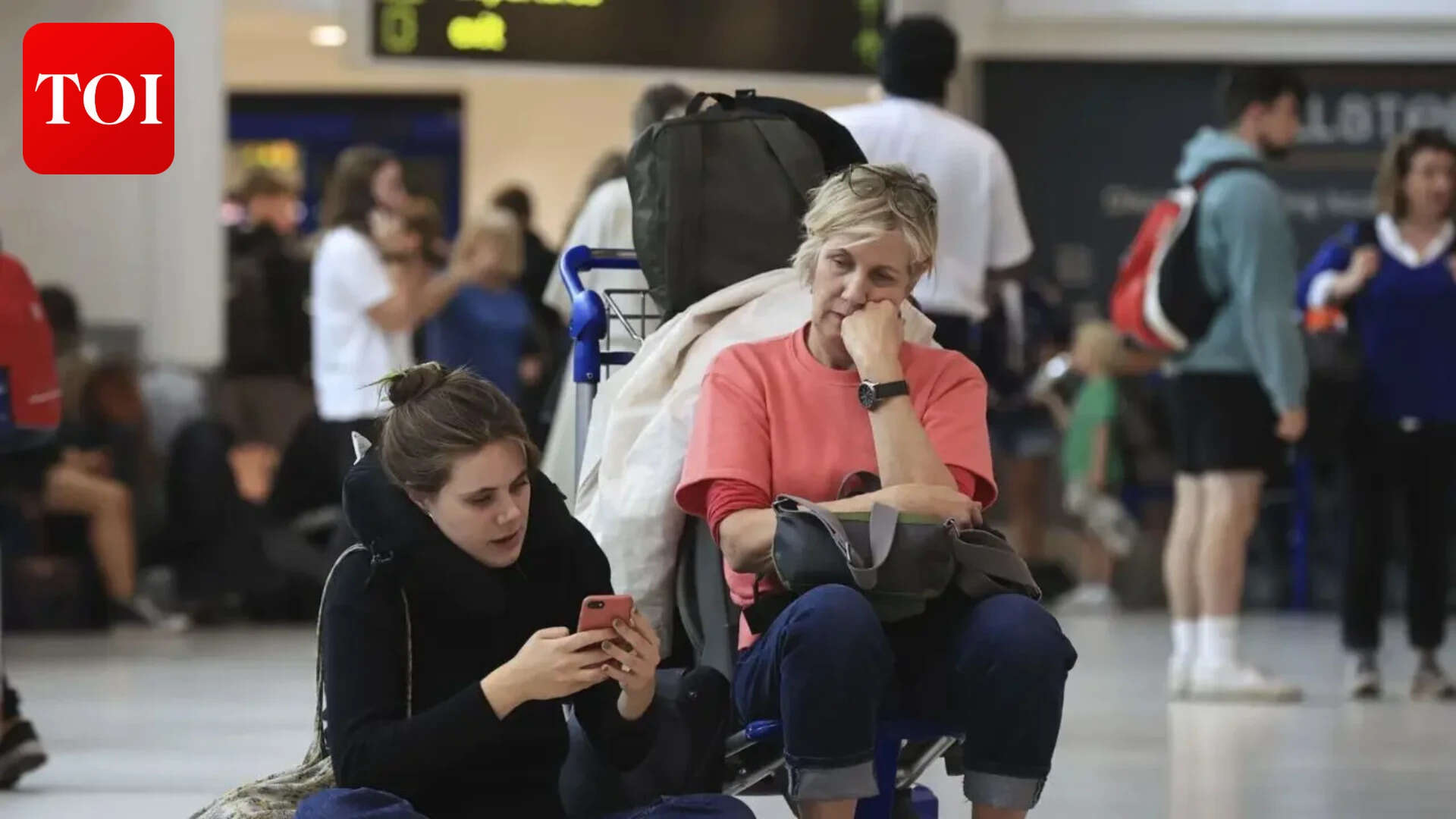
According to a recent industry survey by Airports Council International (ACI Europe) covering 45 major airports across 20 EU nations, EES-related delays have already reached three and a half hours in the worst instances. ACI Europe explicitly warned that as peak summer travel volumes ramp up, the situation could become entirely unmanageable.
The biggest issue is that this system applies both when you enter Europe and when you leave. Many travellers assume the heavy checks only happen on arrival. They get caught entirely off guard on the way home, encountering massive queues at the exit passport control desks after they have already cleared standard airport security.
The Hotspots Where Queues Are Spiralling
The disruption across Europe isn't uniform. The impact depends heavily on how well individual destination airports have prepared, how many automated kiosks they bought, and how many border staff they actually deployed.
If you are heading to these specific destinations, you need to be on high alert:
- Spain: Major holiday hubs like Mallorca, Alicante, and Malaga are seeing massive pressure due to the sheer volume of British flights.
- Portugal: Airports in Faro and Lisbon have experienced significant congestion, prompting the Portuguese government to announce the deployment of 360 extra border officers to cope with the strain.
- France: Major transit points like Paris Charles de Gaulle and the Port of Dover have already faced severe logjams during busy holiday weekends.
Interestingly, some countries are choosing to bypass the rules entirely to save their tourist seasons. Greece has effectively suspended biometric EES checks for British citizens at its borders. Greek tourism officials realised that forcing millions of holidaymakers into multi-hour queues would permanently damage their travel economy. But do not expect every nation to be that lenient. Most are sticking strictly to the automated registration script.
The Bags and Gates Catch-22
The blanket advice from airlines to "arrive three hours early" sounds simple, but it actually creates a logistical paradox that experienced travellers are already complaining about.
If you are checking a bag, most budget airlines like Wizz Air or Ryanair do not even open their drop-off desks until exactly two hours before scheduled departure. If you arrive three hours early, you might just end up standing landside in the departures hall, holding your luggage, unable to pass through to security anyway.
Furthermore, at many European airports, the secondary passport control gate for non-EU flights to the UK is located deep inside the terminal, well past the main security scanners. Sometimes, you won't even know which gate your flight is departing from until 45 minutes before takeoff. If the queue at that specific border zone is an hour long, you are trapped in a race against the clock, regardless of how early you arrived at the front doors of the building.
Survival Strategies for Your Next European Trip
A recent Booking.com survey revealed that 59% of UK holidaymakers expect EES-related disruption this year, and nearly half are actively terrified of missing their flights. You don't need to panic, but you do need an actual plan. Do not just rely on vague airline notices.
1. Pay for Front-Row Seats
Your position on the aircraft matters immensely now. If you are sitting in row 33, you will be the last person off the plane, placing you behind 180 other passengers in the passport queue. Spending an extra ten pounds to sit at the front of the cabin can save you two hours of standing in an unventilated hallway.
2. Track Your Specific Terminal Layout
Before you fly home, look up the terminal map of your departure airport. Identify exactly where the non-Schengen passport control boundary sits. If you know there is a secondary border checkpoint between the duty-free shops and your gate, skip the bar and head straight through that passport line early.
3. Pack Survival Essentials in Your Hand Luggage
Because border lines are stretching past the three-hour mark, you must prepare for the wait. Always pack a fully charged portable power bank for your phone and keep an empty water bottle in your bag that you can fill up immediately after passing the main security scanners.
4. Reconsider Tight Connection Times
If you are booking a journey that involves changing planes at a European hub like Frankfurt or Paris, a one-hour layover is no longer viable. If you have to change terminals and pass through an EES biometric checkpoint, you need to leave a gap of at least three hours between flights to guarantee you won't get left behind.
5. Always Print Your Travel Evidence
Technology glitches are rampant as national border systems try to interface with the central EU databases. If a biometric kiosk freezes or a guard's tablet crashes, your digital boarding pass or hotel booking confirmation might be inaccessible. Carry physical paper copies of your return ticket and accommodation details. Having hard proof of your travel intentions can prevent a stressed border official from pulling you aside for extended questioning.
Airlines have made it clear that they will not hold planes for late passengers stuck in government border queues, and travel insurance policies rarely cover missed flights caused by standard customs delays. It is entirely on you to navigate the new system. Skip the airport bar, check your terminal gates the moment you arrive, and prepare for a completely different European travel experience.
British holidaymakers heading to Europe should watch this breakdown of the European Union's new Entry/Exit System (EES) to understand exactly how biometric registration works at the border and why it is triggering widespread flight delays.