The Fetishization of the Medical Degree
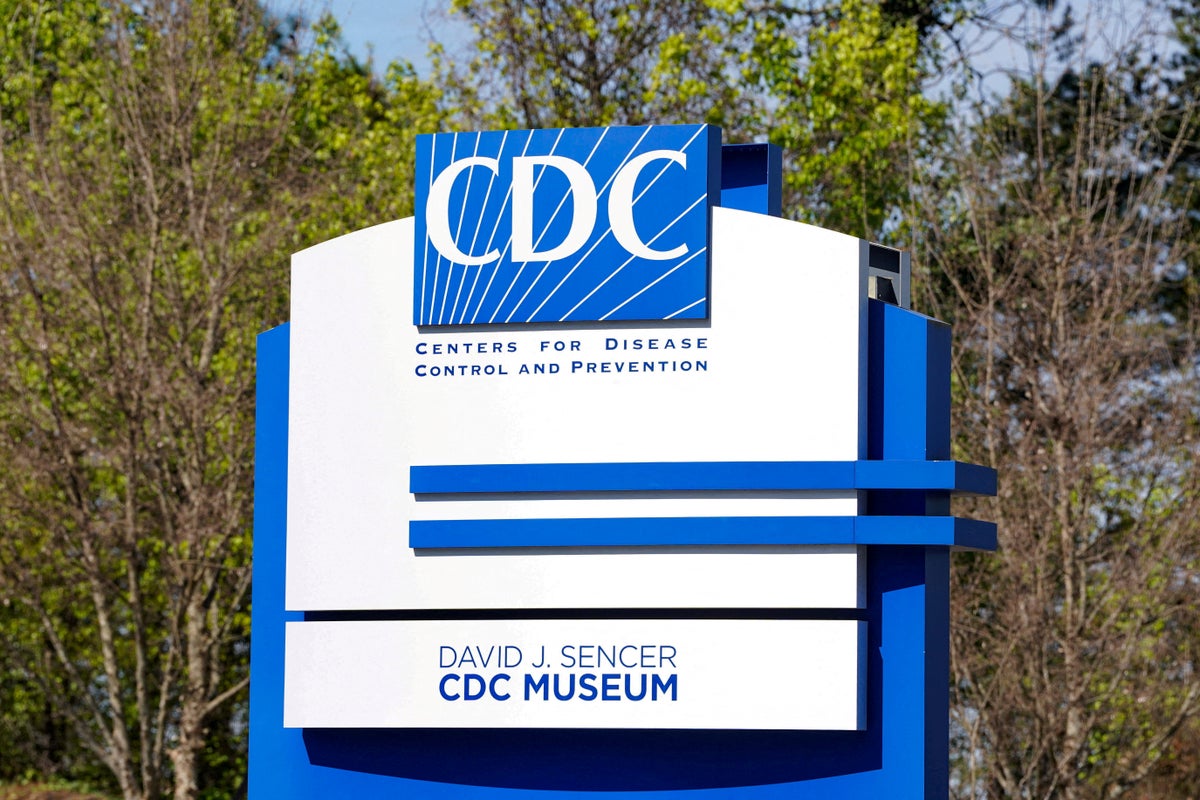
The mainstream media is currently obsessed with Dr. Erica Schwartz’s credentials. They’re scouring her CV, debating her stance on hormones, and wondering if a private-sector pivot-point is the right "vibe" for the Centers for Disease Control and Prevention. They are asking the wrong questions because they fundamentally misunderstand what the CDC has become.
The CDC is not a doctor’s office. It is a bloated, $12 billion-a-year bureaucracy that has spent the last decade drowning in its own data while failing every real-world stress test it encountered. Nominating a clinical doctor to lead it is like hiring a master chef to fix a failing industrial food processing plant. The skills don't transfer. If you liked this post, you should check out: this related article.
Schwartz isn't being brought in to practice medicine. She’s being brought in because the institution is necrotic. If she spends her first hundred days debating epidemiology rather than firing the middle managers who turned the agency into a slow-motion academic journal, she has already failed.
The Consensus Trap of Public Health
The "lazy consensus" among the public health elite is that the CDC just needs more funding and "independence" from political interference. This is a fantasy. The CDC was never independent; it was merely captured by a different set of interests—namely, the self-perpetuating cycle of grant-seeking and risk-aversion. For another angle on this story, see the recent coverage from Psychology Today.
When the COVID-19 pandemic hit, the CDC’s first instinct wasn't to protect the public. It was to protect its own reputation. That’s why we saw the debacle with the initial testing kits. They insisted on a centralized, proprietary CDC test rather than letting the private sector—the same private sector Schwartz comes from—innovate. They chose control over competence.
The agency has shifted from a nimble "disease detective" unit into a massive social engineering project. It now spends resources on everything from urban planning to "wellness" initiatives that have nothing to do with its core mission: stopping infectious diseases. We don't need a CDC Director who wants to "improve" the agency. We need one who wants to shrink it back to its original, lethal effectiveness.
Why the "Anti-Science" Label is a Smokescreen
Critics are already sharpening their knives, calling Schwartz’s background in preventative and "anti-aging" medicine "fringe." This is a classic gatekeeping tactic. The public health establishment uses the term "science" as a shield to deflect accountability for their own policy failures.
Real science is a process of constant skepticism and revision. The CDC, however, has treated its guidelines as immutable scripture. Anyone who questioned the efficacy of school closures or the nuance of natural immunity was labeled "anti-science."
I have spent years watching institutions hide behind data models that they refuse to release for public peer review. It is the height of arrogance. Schwartz’s outsider status isn't a bug; it’s the only feature that matters. An insider would be too busy protecting their friends' research grants to notice the building is on fire.
The Brutal Reality of Bureaucratic Inertia
Let’s talk about the "battle scars" of government reform. I have seen organizations with half the headcount of the CDC spend three years trying to update a single safety protocol. The CDC employs over 10,000 people. Most of them are protected by civil service rules that make them virtually unfireable.
If Dr. Schwartz thinks she can change the culture by sending out inspirational memos, she is delusional. The culture of the CDC is one of "wait and see." If you do nothing, you can't be blamed for doing something wrong. That is the logic that leads to 18-month delays in reporting basic morbidity data.
The Problem With Consensus-Based Science
- Slow Speed: By the time everyone agrees on a "consensus" statement, the virus has already mutated or the crisis has evolved.
- Diluted Truth: Compromise in science often leads to a middle-ground stance that is technically "safe" but practically useless.
- Groupthink: When everyone is trained in the same five public health schools, you get a monoculture of thought that is blind to its own biases.
Schwartz needs to be a "disruptor"—a word I hate because it usually implies a tech bro with a vape pen, but here it means someone willing to break the internal hierarchy. She needs to bypass the deputy directors and go straight to the lab techs who are actually doing the work but are being stifled by five layers of administrative "review."
The Counter-Intuitive Path Forward
The "People Also Ask" sections of the internet are currently obsessed with whether Schwartz will "trust the experts." That is the wrong question. The real question is: Why should we trust the experts who oversaw the largest decline in American life expectancy in a century?
The unconventional advice for the new CDC leadership is simple: Stop trying to be everything to everyone.
- Abolish the Non-Essentials: The CDC should not be involved in regulating things that are already handled by state health departments or other federal agencies. If it doesn't involve a pathogen that can cross a state line in 24 hours, the CDC shouldn't be funding it.
- Data Transparency or Death: Any study funded by the CDC must have its raw data—anonymized, obviously—uploaded to a public server in real-time. No more "proprietary" datasets that only the chosen few can see.
- Decentralize the Labs: Move the expertise out of Atlanta. Spread it across the country into private and academic partnerships that aren't beholden to the federal hierarchy.
The Risk of the "Outsider" Narrative
There is a downside to this approach. Being an outsider means you don't know where the bodies are buried. The bureaucracy will try to "slow-roll" her. They will agree to her face and then bury her initiatives in "feasibility studies" and "ethics reviews."
I’ve seen it happen in corporate turnarounds. The middle management simply waits for the new CEO to get bored or get fired. They have been there for twenty years; they can wait four more.
If Schwartz doesn't walk in with a small, loyal team of "assassins"—experts who know how to navigate the federal budget and the personnel rules—she will be chewed up and spat out by the very system she is supposed to fix. She will become just another name on a plaque in a hallway full of people who ignore her.
Stop Asking if She is "Qualified"
The debate over her medical expertise is a distraction. We have plenty of doctors. We have plenty of scientists. What we don't have is a federal agency that works.
The CDC's failure wasn't a lack of medical knowledge. It was a failure of logistics, communication, and basic humility. They thought they could command a virus through press releases.
If Schwartz understands that her job is to manage a massive data and logistics firm rather than a "national doctor's office," she might have a chance. If she tries to be the "Nation's Doctor," she's just another face in a long line of figureheads.
The institution is fundamentally broken because it has forgotten its "Customer." The customer isn't the scientific community. It isn't the pharmaceutical industry. The customer is the taxpayer who wants to know if they can send their kids to school without being lied to about the risks.
The status quo is a slow-motion car crash. Any change—even one that makes the "experts" uncomfortable—is better than more of the same.
Dr. Schwartz, don't try to save the CDC. Kill the version of it that exists today so something functional can grow in its place. Stop caring about the "consensus." The consensus is what got us here.
Burn the memos. Fire the deadwood. Open the data.
That is the only way this doesn't end in another "unprecedented" disaster.