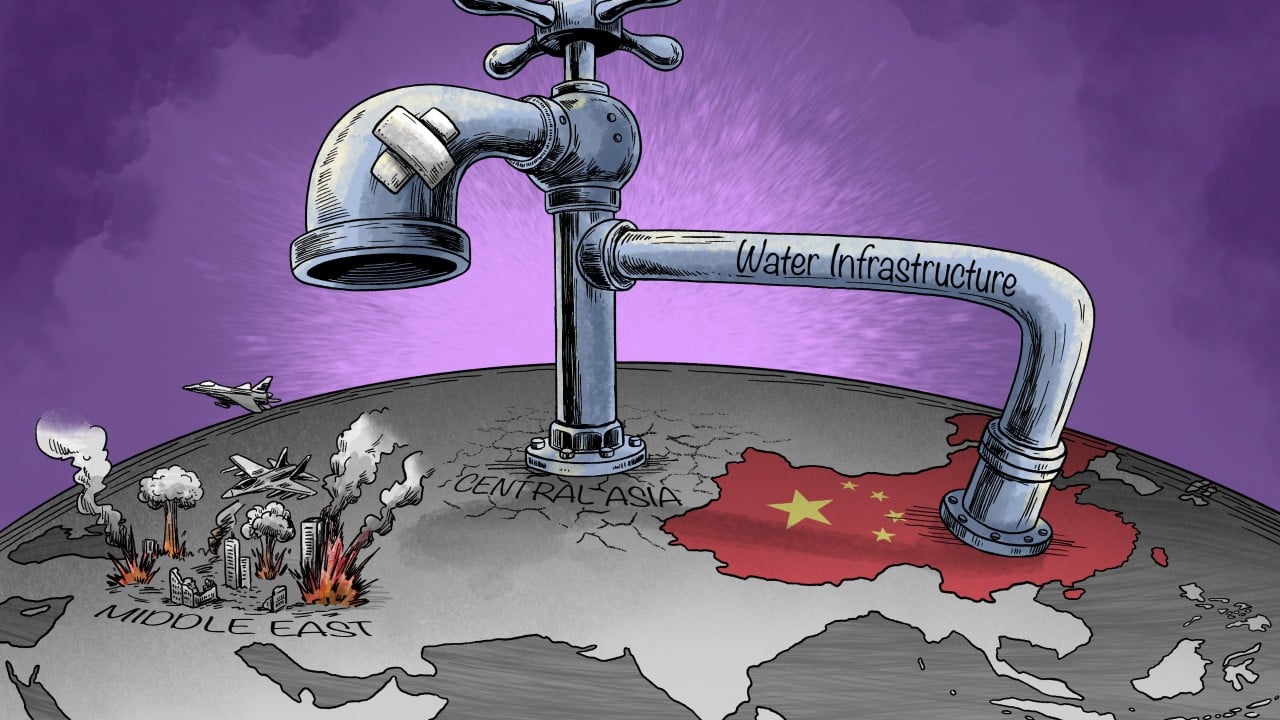
The lines of geopolitical vulnerability don't always follow the path of oil pipelines. Right now, they follow water currents. The outbreak of the 2026 war in Iran didn't just rattle global energy markets with the closure of the Strait of Hormuz. It sent a shockwave directly into the heart of Central Asia, laying bare a terrifying reality. The region is staring down an unprecedented water security crisis, and its traditional security architectures are utterly unequipped to handle it.
If you think Central Asia is a distant concern, you're missing the bigger picture. The major rivers across Kazakhstan, Uzbekistan, Turkmenistan, Tajikistan, and Kyrgyzstan sustain massive Eurasian trade corridors, feed global food networks, and generate vital regional energy. But with war raging to the south and climate change melting the glaciers of the Tien Shan and Pamir mountains at double the global average rate, the status quo is dead. Russia is too distracted and overextended to help. The West is too far away. That leaves exactly one powerhouse with the cash, the infrastructure, and the direct geographical motivation to step in. China.
The Shockwaves of the Iran Conflict on Eurasian Stability
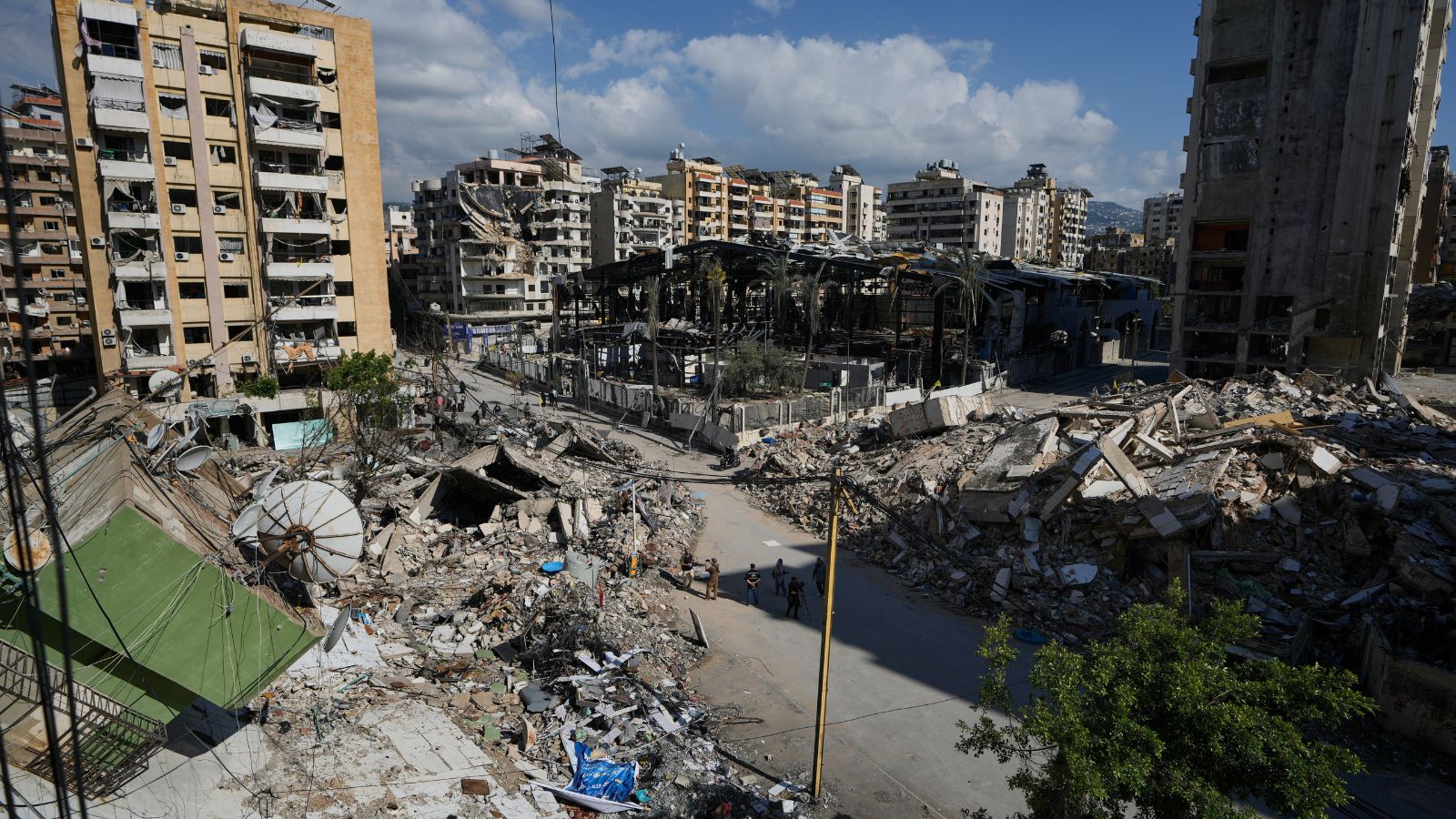
When the first Iranian desalination plants were targeted in early 2026, the immediate focus was on the Persian Gulf. Yet the ripples traveled north instantly. The conflict between Afghanistan and Pakistan has already choked traditional airspace and trade routes through Central Asia. Combine that with Iran's internal economic chaos and structural damage, and the entire southern transit corridor for Central Asian goods is effectively frozen.
Central Asian states have spent years trying to diversify their trade routes away from Russia by looking south through Iranian ports like Chabahar. The war destroyed that strategy overnight. According to data tracking Eurasian logistics, over 60% of Afghanistan's trade has quickly pivoted toward Central Asia to bypass the Iranian chaos. This massive shift in cargo puts immense pressure on a region that is already struggling with its own internal structural decay.
The real panic, however, isn't just about blocked roads. It's about what happens when regional stability collapses. Iran was already facing absolute water bankruptcy before the war, with Tehran sinking by 10 inches a year due to aquifer depletion. A destabilized, water-starved neighbor means a massive surge in asymmetric security threats, border friction, and migration pressures on Central Asia's southern flank.
Why the Soviet-Era Water Grid is Collapsing
To understand why Central Asia is turning to Beijing, you have to look at the broken system they inherited. The regional water infrastructure is a ticking time bomb left behind by Soviet central planners.
The system was originally designed as an interdependent loop. Upstream nations like Kyrgyzstan and Tajikistan held water in their reservoirs during the winter to generate hydropower, releasing it in the summer to feed the massive cotton and agricultural fields of downstream Uzbekistan, Turkmenistan, and Kazakhstan. In exchange, the downstream states provided coal and gas to the upstream nations during the freezing winter months.
When the Soviet Union dissolved, that grand bargain fell apart.
- Upstream states started hoarding water in the summer to ensure they had enough to generate electricity in the winter.
- Downstream states faced devastating summer droughts, ruining crops and draining the Aral Sea basin.
- Antiquated infrastructure means up to 40% of the water diverted into unlined irrigation canals evaporates before it ever reaches a single crop field.
This isn't a theoretical policy debate. It's an immediate crisis. The Amu Darya and Syr Darya rivers are losing volume rapidly. Glacial retreat is making seasonal flows incredibly volatile. When you add the fact that Afghanistan's Taliban government is currently building the massive Qosh Tepa canal—which will divert up to 20% of the Amu Darya's water before it even reaches Uzbekistan—the risk of outright resource conflict between these nations is higher than it has been in decades.
China's Quiet Hydro-Diplomacy Pivot
While Western analysts focus on China's Belt and Road transport routes, Beijing has been quietly laying the groundwork to become the ultimate arbiter of Central Asian water.
China isn't doing this out of pure altruism. Western China, particularly the Xinjiang Uyghur Autonomous Region, shares major transboundary river basins with Central Asia, including the Irtysh and Ili rivers. If Central Asia collapses into resource conflict, Xinjiang's own agricultural and industrial supply chains face immediate disruption. Beijing monitors this hydrological volatility with intense scrutiny.
China is stepping into the vacuum with an aggressive combination of data-sharing agreements, joint glacier monitoring initiatives, and major capital investments. For Central Asian governments, China represents a partner that can actually build things. While Western initiatives like the EU's Global Gateway promise future regulatory frameworks and climate modeling, China is offering immediate, tangible solutions.
We are seeing a major push toward Chinese-funded modernization of local agricultural infrastructure. By investing in precision drip-irrigation systems, lining crumbling canals, and building smart water-meters across the region, Beijing is protecting its own transboundary interests while tying the survival of Central Asian agriculture directly to Chinese technology.
The Price of Beijing's Hydrological Embrace
Stepping into China's orbit comes with massive strategic trade-offs. Central Asian leaders aren't blind to the risks of debt-dependency or the long-term leverage Beijing gains when it controls the digital and physical infrastructure of their water supply.
But frankly, what other choice do they have?
Russia's influence in the region is fading as its resources are consumed elsewhere. The United States and Europe are physically isolated from the geography of the Caspian and Aral basins. China is right next door, possessing both the financial clout and the technical experience from managing its own massive, complex domestic water allocation projects.
If you want to track where the real power lies in Eurasia over the next decade, look away from the naval blockades in the Gulf. Look at the automated sluice gates, the concrete irrigation trenches, and the glacial monitoring stations being built across the steppes. The country that controls the flow of water will ultimately control the political destiny of Central Asia.
To safeguard regional supply chains and anticipate these shifts, international logistics firms and regional policy planners must immediately pivot their risk assessments. You need to diversify transit routes away from the volatile southern corridors, invest heavily in localized water-recycling technologies for manufacturing hubs within Kazakhstan and Uzbekistan, and prepare for a regulatory framework completely dominated by Chinese technological standards. The transition is already happening. If you aren't adapting your Eurasian operational strategies right now, you're going to get left out in the dry.
The escalating conflict in the Middle East has profoundly altered regional stability, shifting geopolitical priorities across Eurasia. For a deeper look into how the 2026 war in Iran is reshaping global trade and supply chains, check out this video on the Economic impact of the 2026 Iran war, which breaks down the interconnected nature of these resource and security crises.