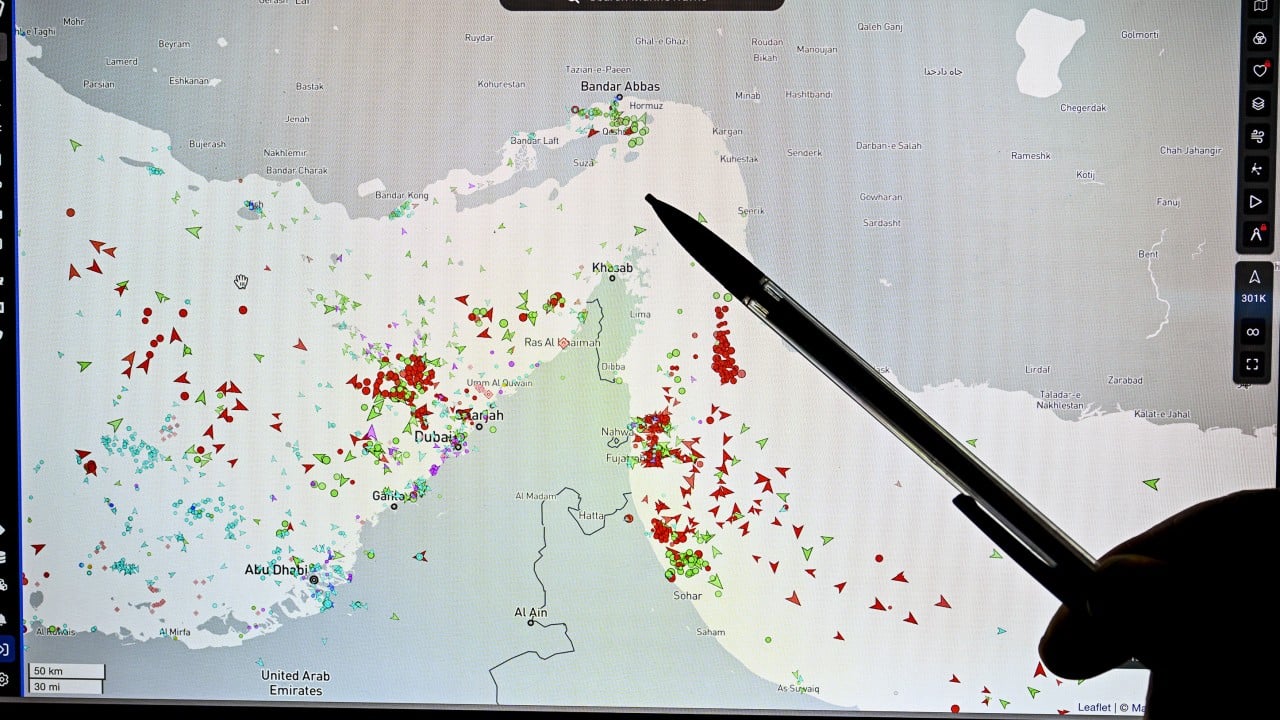
The Strait of Hormuz is basically the jugular vein of the global energy market. When it gets constricted, everyone feels the pulse skip. For years, we've treated "energy security" as a theoretical white paper topic, but in 2026, it's a brutal reality. With the U.S. and Iran locked in a military standoff that's effectively choked off the world's most critical maritime chokepoint, the focus has shifted to the one player with the most to lose and the most to prove: China.
China's economy doesn't just like oil; it breathes it. About half of its crude imports and a massive chunk of its liquefied natural gas (LNG) flow through that 21-nautical-mile-wide strip of water. If you think this is just a Middle East problem, you're missing the bigger picture. This isn't just about high prices at the pump in Beijing; it’s about a fundamental shift in how global superpowers manage "fragile" supply chains when the old rules stop working.
The Myth of the Quick Fix
I've seen plenty of analysts suggest that China will just flip a switch and use pipelines or "shadow fleets" to bypass the mess. That's a fantasy. While China has been aggressively building out the Middle Corridor through Central Asia and pumping more through Russian pipelines, those systems are already running near their physical limits.
You can't just shove 20 million barrels of oil a day through a pipe designed for five. The logistics are a nightmare. Rerouting tankers around the Cape of Good Hope adds 10 to 14 days of travel and nearly $800,000 in extra costs per trip. For the "teapot" refineries in Shandong that keep China's industrial heart beating, these margins are the difference between staying open and going dark.
Beijing’s New Playbook Is Not What You Expect
Most people expect China to pick a side. They won't. Beijing’s response so far has been a masterclass in "strategic patience" that borders on frustrating for everyone else. Instead of joining a U.S.-led coalition or going all-in on military support for Tehran, they’re building what they call a "Blue Corridor."
Think of it as a diplomatic "EZ-Pass" for tankers. By pushing for a neutral shipping zone, China is trying to use its economic weight to force both Washington and Tehran to keep the oil flowing, even while they're shooting at each other. It’s a bold move that signals China is done relying on the U.S. Navy to keep the sea lanes safe. They’re essentially saying: "If you won't protect our energy, we'll create a diplomatic framework that makes it impossible for you to stop it."
- The Naval Shift: For the first time, we're seeing Chinese destroyers like the Type 052DL "Tangshan" patrolling near the strait. They aren't there to start a war. They're there to act as a "human shield" for Chinese interests.
- The Insurance Factor: This is the part nobody talks about. When Iran or the U.S. creates uncertainty, maritime insurance rates skyrocket. China is looking into state-backed insurance schemes to bypass the Western-dominated Lloyd's of London market. If you can't insure the ship, you can't sail the oil. China wants to be the insurer of last resort.
Why This Matters for Your Supply Chain
If you're sitting in a boardroom in London or New York thinking this doesn't affect you because you don't buy Iranian oil, wake up. The Hormuz crisis is forcing a permanent "de-risking" of global trade. We're moving away from the "just-in-time" model that dominated the last 30 years and toward a "just-in-case" reality.
China is already accelerating its "Electrostate" transition. They know that as long as they depend on Middle Eastern oil, they're vulnerable to U.S. naval blockades or regional wars. The 2026 crisis has poured liquid oxygen on their green energy fire. They're betting that by 2030, they won't need the Strait of Hormuz nearly as much because they’ll be running on a grid powered by domestic solar, wind, and nuclear.
Real-world impacts we're seeing right now:
- Inventory Buffers: Manufacturers are now carrying 90 to 120 days of petroleum-derived components instead of the usual 30.
- Cost Pass-Through: You’re going to see "energy surcharges" on everything from plastics to shipping container rates for the next 18 months at least.
- The Taiwan Shadow: Every move China makes in Hormuz is a dress rehearsal. If they can figure out how to keep trade moving through a contested strait in the Middle East, they’ll apply those same lessons to the South China Sea.
Stop Waiting for "Normal" to Return
The biggest mistake you can make right now is assuming the Strait will just "reopen" and things will go back to how they were in 2023. That world is gone. The Hormuz crisis has exposed that the global supply chain isn't just fragile; it’s outdated.
China is already moving. They're diversifying into the Middle Corridor, building a blue-water navy that can actually protect its interests, and decoupling their energy needs from the whims of Persian Gulf politics. You should be doing the same.
Audit your tier-two and tier-three suppliers. If your "local" manufacturer relies on raw materials that pass through Hormuz, you have a Hormuz problem. Start looking at regional alternatives now, even if they cost 10% more. In 2026, the most expensive supply chain is the one that doesn't show up.