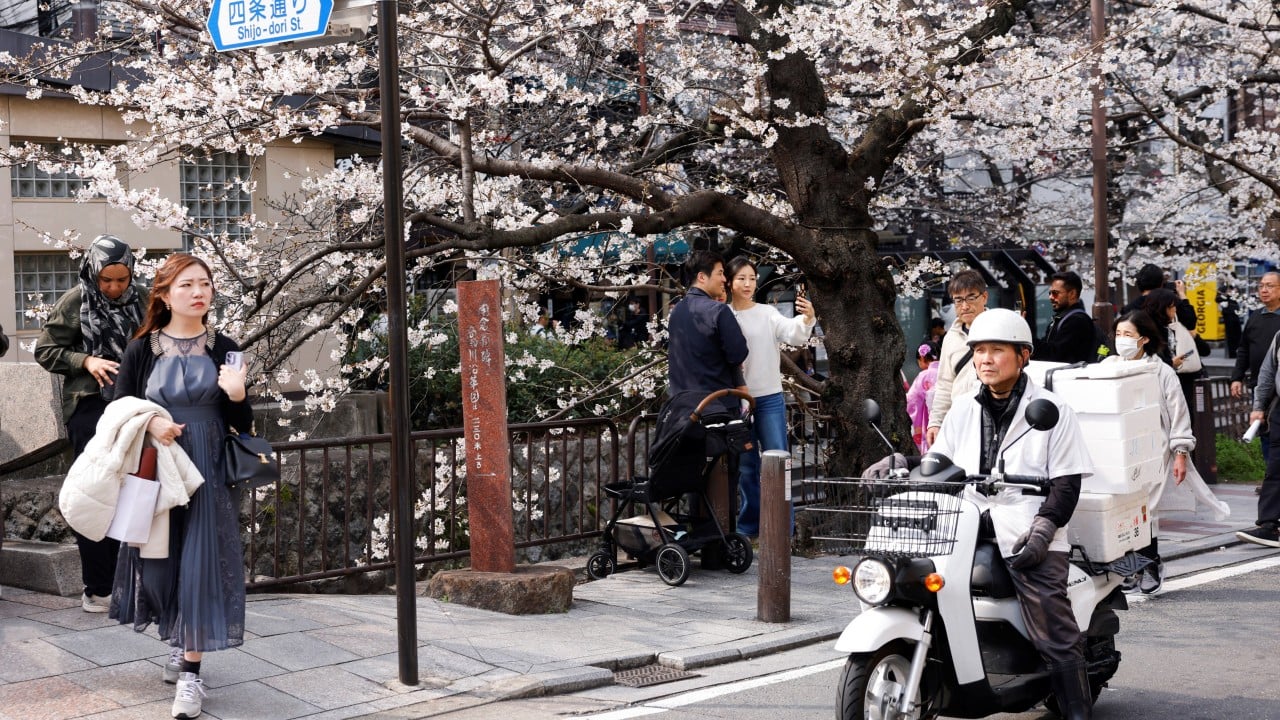
Walk through Gion or bus route 206 in Kyoto on any given afternoon, and you'll hear the same complaint from locals and tour guides alike. Everyone claims Chinese tour groups are ruining the ancient capital. But the hard numbers tell a completely different story.
Data from the Kyoto City Tourism Association and national immigration records reveal that mainland Chinese visitor numbers plunged by over 56 percent in early 2026. Overnight stays by Chinese travelers in Kyoto dropped by nearly 60 percent compared to the prior year. Right now, Chinese visitors make up less than 10 percent of total international arrivals in the city. Yet if you ask someone on the street in Kyoto why the sidewalks are blocked, they'll still blame China.
It's a classic case of public perception failing to keep up with reality. Tourism in Kyoto isn't breaking under the weight of one specific nationality. It's bursting at the seams because global travel to Japan reached record highs, fueled by a historically weak yen and surging arrival numbers from South Korea, Taiwan, Southeast Asia, and Western nations.
The Gap Between Local Anger and Actual Numbers
If Chinese arrivals dropped by more than half, why does everyone think they're still everywhere?
Part of it comes down to basic confusion. Most residents and casual observers can't distinguish between tourists from Mainland China, Taiwan, Hong Kong, or overseas Chinese communities living in North America and Europe. Arrivals from Taiwan rose over 20 percent during the exact same period Chinese mainland figures cratered. South Korean arrivals spiked by nearly 19 percent, topping the charts with over 5.6 million visitors nationwide in six months.
When people see East Asian tourists in large groups near Kiyomizu-dera, they default to a narrative built over a decade of headlines.
Bilateral tensions between Tokyo and Beijing led to official travel advisories and top-down boycotts, cutting off the massive pipeline of Chinese group tours. Group travel was always the most visible form of tourism. Big, brightly flagged tour buses double-parked near Historic Districts leave a lasting impression. When those buses disappeared, individual travelers took over the space.
The city remained just as packed. The crowd simply shifted from large organized tour groups to free independent travelers hailing from Seoul, Taipei, Seattle, and London.
The Real Drivers Behind Kyoto Congestion
Scapegoating one group lets local government officials off the hook for a decade of poor urban planning. Kyoto's overtourism problem isn't a demographic issue. It's an infrastructure bottleneck.
The city's transport network was designed for a quiet residential municipality, not a global tourism hub taking in over 40 million visitors a year. The main arterial bus lines—like the infamous route 206 connecting Kyoto Station to Gion and Kiyomizu-dera—mix daily commuters, elderly locals buying groceries, and thousands of sightseers carrying oversized suitcases.
Here's what actually broke Kyoto's capacity:
- Transit Bottlenecks: The decision to rely heavily on city buses rather than directing tourists toward subway lines creates massive street-level gridlocks.
- Accommodation Oversaturation: Between 2014 and 2021, Kyoto saw an explosion of new hotel construction, increasing visitor capacity without expanding local roads or sidewalk widths.
- Hyper-Concentrated Sightseeing: Around 80 percent of foreign travelers visit the same four places: Fushimi Inari, Arashiyama Bamboo Grove, Gion, and Kiyomizu-dera.
- The Weak Yen Advantage: Exchange rates made Japan exceptionally affordable for European and American travelers, driving record spending even as visitor numbers from nearby markets fluctuated.
Despite Chinese arrivals falling off a cliff, foreign tourist spending in Japan actually grew to 4.85 trillion yen in the first half of 2026. Visitors from Europe and the US spend significantly more per day on high-end dining and accommodation, keeping revenue high while keeping popular areas completely packed.
How Public Perception Got Stuck
Media coverage plays a huge role in keeping old blame alive. For years, Japanese television news ran endless segments highlighting bus congestion, invasive street photography in geisha districts, and noise complaints linked to group tours. That framing got locked into public memory.
When Beijing advised its citizens to avoid non-essential travel to Japan over geopolitical disputes, Japanese media shifted focus. Instead of examining how the absence of Chinese tourists exposed underlying planning failures, outlets focused on whether losing Chinese spending would hurt the economy.
When local businesses survived by catering to Western and Southeast Asian travelers, the narrative shifted again. Some argued that fewer Chinese visitors actually improved the travel experience. Yet the physical crowds on the streets of Kyoto didn't shrink.
Long-time residents still feel overwhelmed in their own neighborhoods. When people experience daily frustration trying to catch a public bus or walk through narrow alleyways, they cling to familiar explanations rather than analyzing tourist demographic reports.
What Needs to Change Right Now
Fixing overtourism in Kyoto requires treating the structural causes instead of complaining about specific nationalities. Blaming tourists from one country doesn't clear the sidewalks or speed up the buses.
If you're planning a trip to Kyoto—or if you want to understand how the city can actually fix this mess—here are the concrete steps that make an actual difference.
For Travel Planning in Kyoto
- Ditch the Buses: Use the Tozai and Karasuma subway lines or local Keihan and Hankyu trains. Trains bypass the traffic gridlock entirely.
- Forward Luggage: Use hands-free travel services like Yamato Transport to ship heavy luggage from Kyoto Station directly to your hotel. Carrying large suitcases on public buses is now restricted on major routes.
- Shift Your Timeline: Visit popular spots like Fushimi Inari or Arashiyama before 7:30 AM or after 7:00 PM. The daytime crowd between 10:00 AM and 4:00 PM is where congestion peaks.
- Explore Beyond the Main Four: Head to Northern Kyoto, Ohara, or Uji instead of spending all day in Gion. These areas offer the same historical architecture with a fraction of the foot traffic.
Kyoto's leadership has already started taking minor steps, like phasing out single-day bus passes to push visitors toward subways and introducing targeted express bus routes directly from Kyoto Station to major temples. But until the city implements strict congestion pricing or limits total daily access to fragile historic zones, blaming specific foreign groups remains a lazy distraction from a systemic crisis.