Salt air coats the tongue long before the danger becomes visible.
Picture a merchant vessel moving through the Bab-el-Mandeb Strait—a stretch of water barely eighteen miles wide at its tightest point, squeezed between the rugged coast of Yemen and the Horn of Africa. To the crew on board, this is not a abstract geographic vector on an executive's dashboard in Paris or Doha. It is a shadowy corridor of high walls and low horizons. The engine hums beneath the deck, carrying tens of thousands of tons of liquefied natural gas or containerized consumer goods through a needle's eye.
Then comes the flash.
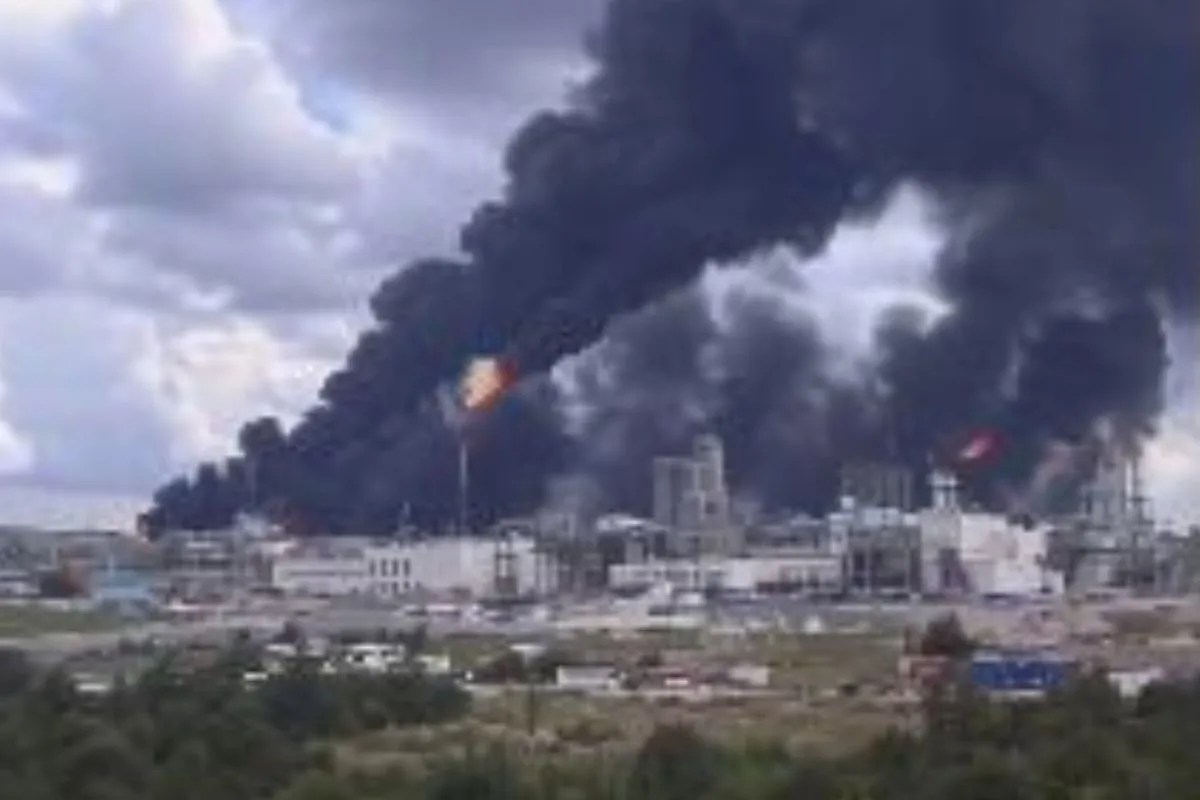
A remote-controlled drone boat cuts through the dark swells, or a ballistic missile arc traces a sharp line across the pre-dawn sky. In an instant, the routine voyage of a commercial cargo vessel transforms into a crisis of survival.
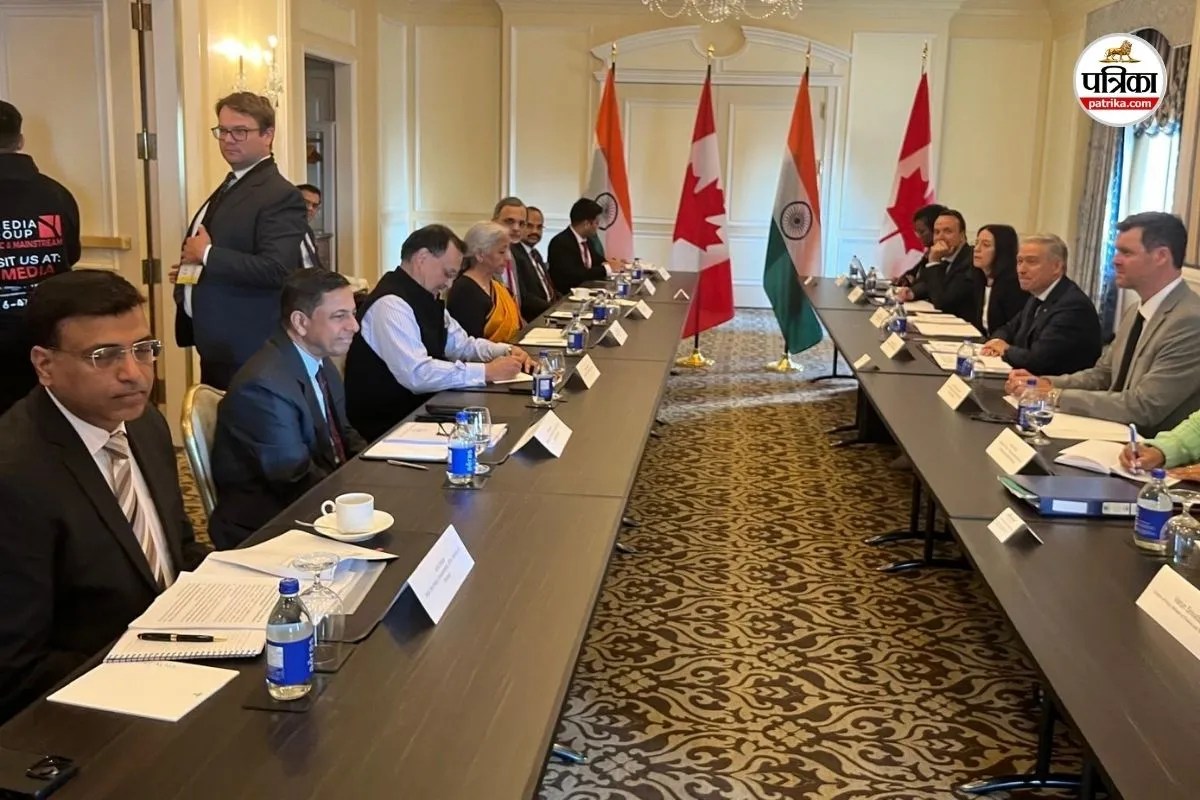
When news broke that France and Qatar issued a rare joint statement sternly condemning Houthi attacks on merchant vessels targeting Saudi Arabia and surrounding waters, diplomatic feeds reported it as standard geopolitical signaling. The language was predictably elevated: joint warnings, concerns over freedom of navigation, threats to regional stability.
Look closer. Strip away the starch of international communiqués. What you find underneath is an urgent attempt to prevent the sudden heart attack of global commerce.
The Artery Nobody Thinks About
We like to believe our modern world runs on invisible signals—cloud computing, immediate credit transactions, airwaves pulsing with data. But the reality is far more industrial, far heavier, and infinitely more fragile.
Ninety percent of everything you touch arrived on a ship. The shoes on your feet. The fuel in your car. The grain in your morning bread.
When a vessel moves through the Red Sea toward the Suez Canal, it is participating in a quiet choreography that keeps store shelves filled in Berlin and power plants burning in Tokyo. The Bab-el-Mandeb Strait—Arabic for "The Gate of Tears"—earned its name centuries ago from sailors terrified of its treacherous currents and hidden reefs. Today, the tears are different, but the terror is real.
Imagine standing on the bridge of a tanker. You are a captain responsible for twenty lives and two hundred million dollars of cargo. Your radar screen picks up a fast-moving surface target with no transponder. You have minutes to react. There are no naval destroyers standing beside you; the ocean is vast, and military escort ships are stretched thin across thousands of square miles of blue water.
This is the pressure cooker that prompted Paris and Doha to speak with one voice.
Qatar sits atop some of the largest natural gas reserves on Earth, shipping energy across the globe to keep cities warm and factories running. France is a maritime powerhouse with historic diplomatic reach across the Middle East and Africa. When two nations with vastly different regional vantage points come together to sound the alarm, it is not a casual gesture. It is a sign that the alarm bells are ringing inside the engine room of the global economy.
The Domino Effect of a Single Missile
Security analysis often treats military strikes like isolated chess moves. A drone hits a hull; a fire is put out; a ship reroutes.
Consider what happens next.
Insurance premiums for ships passing through the Red Sea do not just rise—they spike overnight. A shipowner who paid a manageable war-risk premium on Monday suddenly faces a fivefold increase by Wednesday. For many fleet operators, that single financial reality makes the trip impossible.
So they choose the alternative: turn the ship around.
Instead of taking the direct route through the Suez Canal, the vessel swings south, charting a long, punishing detour around the Cape of Good Hope at the southern tip of Africa.
Add two weeks to the journey. Add thousands of nautical miles. Burn millions of additional gallons of heavy fuel oil.
The delay ripples out instantly. A factory in northern France runs out of critical components and pauses its assembly line. A distributor in the Middle East watches inventory shrink as shipping costs double. The consumer at a local grocery store notices prices creeping upward, entirely unaware that the extra dollar on a container of coffee was born months earlier in the choppy waters off the coast of Yemen.
This is why Houthi strikes on Saudi-bound vessels and international tankers carry weight far beyond the Arabian Peninsula. They are strikes against the quiet rhythm of everyday human life.
Why France and Qatar Agreed
Diplomacy makes strange and fascinating bedfellows. Qatar has spent decades positioning itself as a mediator in complex regional conflicts, often maintaining open lines of communication where Western nations cannot. France has long guarded its strategic independence, acting as an assertive maritime power in the Indian Ocean.
Yet both nations recognized a line being crossed that threatens everyone equally.
Unchecked maritime strikes set a dangerous precedent. If non-state actors using relatively low-cost drones and modified missiles can close off one of the world's primary commercial waterways without a unified global response, the global trading system fractures.
It is a calculation of risk that no nation can afford to ignore.
Saudi Arabia, sitting directly along the Red Sea coast, bears the immediate burden of air defenses and coastal security. But Saudi Arabia's security is not an isolated concern. An attack on a vessel bound for a Saudi port threatens energy exports, supply routes, and the fragile peace processes that diplomats have spent years trying to stitch together across the region.
When France and Qatar stood side-by-side to warn of the threat to maritime security, they were calling on the international community to recognize that inaction carries a compounding cost.
The View from the Deck
It is easy to analyze geopolitical maneuvers from comfortable offices in capitals thousands of miles away. It is much harder when you are the one standing watch at two in the morning, staring out into the dark waters of the southern Red Sea.
Sailors on commercial vessels do not sign up for combat duty. They are merchant mariners—engineers, cooks, deckhands—working long months away from their families to send money home. Now, they scan the night sky with thermal binoculars, listening for the distinct hum of an incoming unmanned aerial vehicle.
That human tension is the true core of the crisis.
When nations fail to secure international waters, the burden falls directly onto the shoulders of ordinary people doing an unextraordinary job in extraordinary danger.
The joint condemnation from Paris and Doha was a necessary political statement, yes. But more importantly, it was a recognition of a simple truth: if the seas are no longer safe, the modern world stops working.
The challenge ahead is not merely intercepting the next missile or issuing the next diplomatic communique. It is restoring the fundamental promise of the open ocean—that those who travel upon it can bring their cargoes, and themselves, safely home.