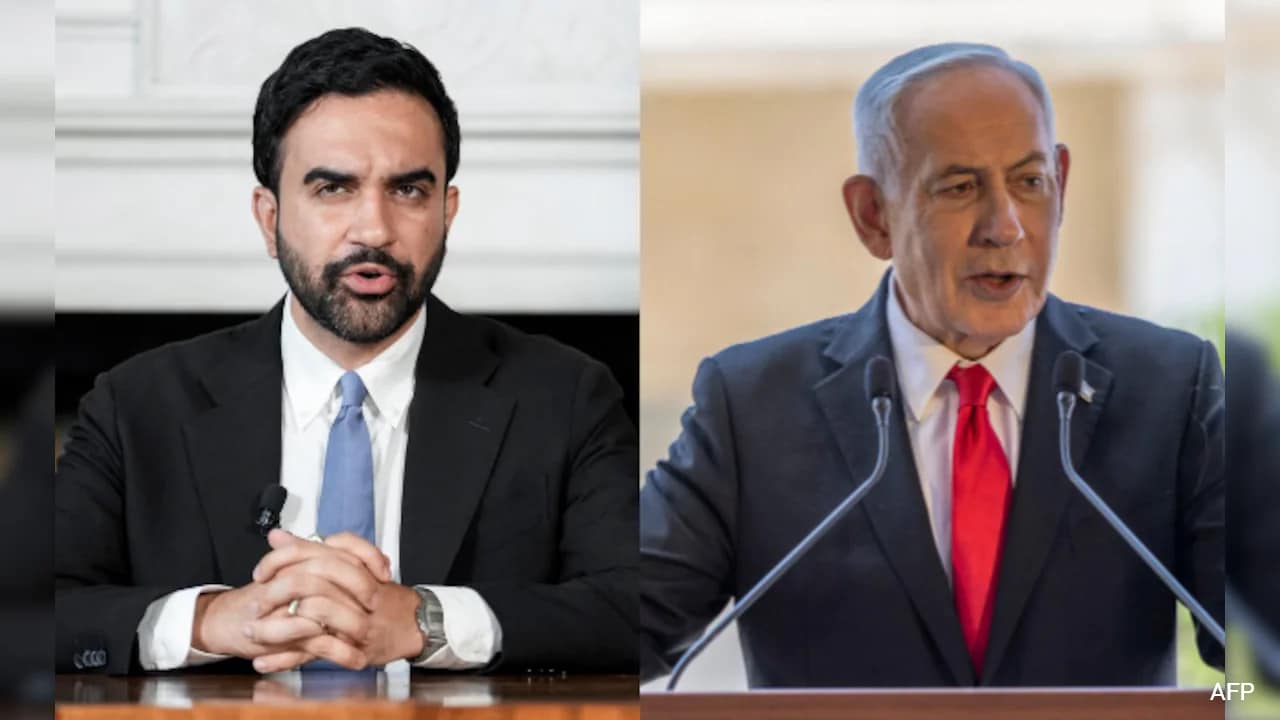
When New York City Mayor Zohran Mamdani labeled Israeli Prime Minister Benjamin Netanyahu an architect of genocide, it wasn't just another routine political jab. It broke decades of carefully curated diplomatic decorum between City Hall and foreign heads of state. Traditionally, municipal leaders in New York rolled out the red carpet for visiting UN delegates regardless of geopolitical friction. Mamdani threw that playbook out the window.
The collision escalated rapidly during the UN General Assembly rollout. Mamdani didn't back down from his harsh critique of military actions in Gaza, openly calling Netanyahu a war criminal. For a major American city leader to use such uncompromising language against a key foreign ally's premier sent shockwaves through Washington and international diplomatic circles alike. You might also find this similar article useful: Why Blaming Only Managua Ignores the Real Architects of Custody Deaths.
Netanyahu fired back with equal intensity through a blistering video message before touching down in New York. He didn't just defend his military's conduct; he pointed the finger straight back at City Hall. Netanyahu accused Mamdani of backing Hamas and encouraging unrest targeting New York's Jewish community.
Decoding the Escalation
Why did this specific feud ignite such intense global reactions? Look at the changing nature of local versus global politics. Mayors of major metropolitan hubs increasingly find themselves dragged into international disputes because their constituents demand moral clarity on global crises. Mamdani's stance resonates deeply with progressive voters and pro-Palestinian advocacy groups who want local officials to take a firm stand on foreign policy. As discussed in detailed articles by Reuters, the results are significant.
At the same time, critics argue that crossing the line into foreign diplomacy risks alienating large segments of a city's population. Jewish community leaders and moderate politicians blasted Mamdani's rhetoric, arguing it fuels local tensions and stokes hostility on American streets. Netanyahu amplified this exact sentiment from the UN podium, claiming that local policies had left Jewish residents feeling unsafe.
The Limits of Municipal Power
A fascinating subtext to this public brawl involves the practical boundaries of municipal authority. Earlier, Mamdani had rhetorically suggested arresting Netanyahu over International Criminal Court warrants if he entered New York. Legal experts immediately pointed out the obvious flaw. City mayors hold zero jurisdiction over international arrest warrants or federal immigration enforcement. Mamdani later walked back the feasibility of that claim, acknowledging local police lack the legal power to execute such an arrest.
Yet, the performative posturing served its political purpose. It signaled a permanent shift in how municipal leaders engage with untouchable international norms. When executive leaders clash publicly across continents, the fallout lands right on urban streets, forcing local police departments and community organizers to manage the friction.
Ultimately, this high-profile feud exposes a fractured political landscape where local leaders refuse to stay in their lane. Whether this confrontational style becomes the new normal for urban governance remains to be seen. What's clear is that the old era of quiet diplomatic handshakes is officially dead.