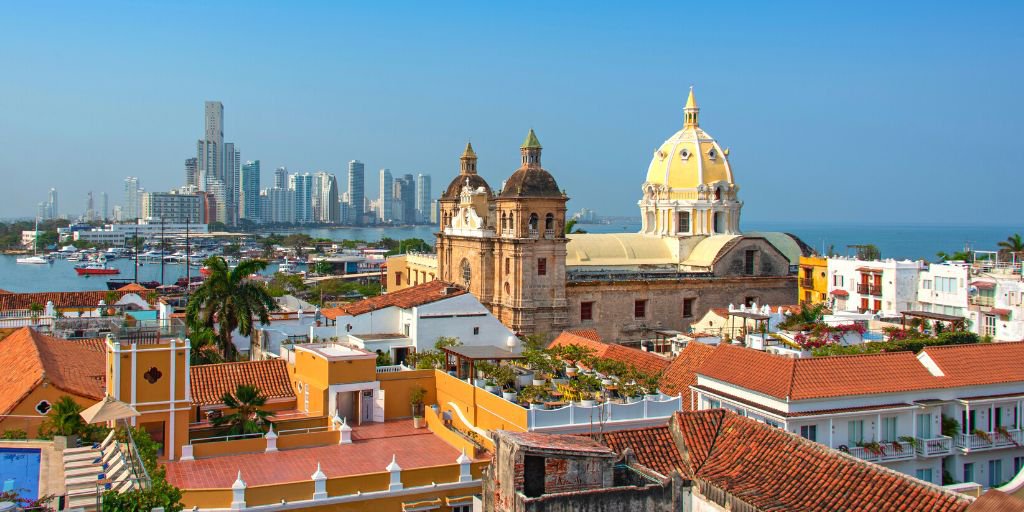
When the earth shakes beneath your feet, everything changes in a split second. Recent seismic activity across Colombia, including significant tremors and powerful aftershocks like the 5.0-magnitude events that regularly test the region, remind millions of people just how fragile our built environment really is. You don't live in a region like the Andes without respecting the sheer, raw power of plate tectonics.
Living through or reporting on these events requires looking past the immediate panic. It means understanding why certain areas sustain heavy structural damage while neighboring blocks remain completely untouched.
The Reality of Intermediate Depth Earthquakes
People often assume that a moderate tremor causes little concern, but depth changes everything. In many Colombian seismic events, the intermediate depth plays a massive role. When a quake originates tens or hundreds of kilometers underground, the energy propagates differently than a shallow rupture.
Instead of localized destruction right above the epicenter, the shockwaves travel vast distances. You get people feeling intense shaking hundreds of miles away in capital cities and coastal regions alike, while the immediate surface area might experience complex resonance patterns.
Why Infrastructure Vulnerability Remains a Constant Battle
Let's be honest about construction standards. Older brick and masonry buildings take the absolute brunt of these forces. When a 5.0-magnitude aftershock or a larger primary tremor hits, unreinforced masonry crumbles fast.
Engineers point to several recurring vulnerabilities during major Andean earthquakes:
- Non-ductile concrete frames that lack proper lateral reinforcement.
- Heavy clay tile roofs that collapse inward under lateral shaking.
- Inadequate soil-structure interaction analysis in expanding urban zones built on soft basin sediments.
Cities like Cali, Pereira, and Manizales have faced these brutal lessons repeatedly over the decades. Modern building codes have grown much stricter, but retrofitting older historical structures costs a fortune. Progress moves slowly when budgets are tight and bureaucratic hurdles pile up.
Practical Steps to Prepare Before the Next Tremor
You can't stop a fault line from shifting. You can, however, stop acting like preparation doesn't matter until the walls start cracking.
- Secure heavy furniture: Anchor bookcases, large cabinets, and water heaters directly to wall studs. Most injuries during moderate-to-strong shakes come from falling household objects, not total structural collapse.
- Keep an emergency go-bag ready: Pack water, non-perishable food, flashlights, a portable radio, and vital medications. Keep it right by your primary exit.
- Establish a family communication plan: Cell towers jam instantly during major seismic events. Agree beforehand on an out-of-town contact person everyone can text once safe.
Emergency response agencies emphasize that the first sixty seconds after a shake defines your survival odds. Drop, cover, and hold on isn't just a stale school drill. It's the physical difference between walking away unharmed and getting pinned under debris. Stay alert, check your local geological service updates, and don't wait for a disaster to take infrastructure safety seriously.


