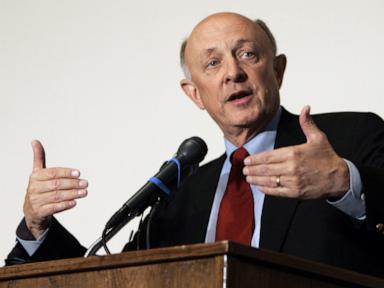
R. James Woolsey Jr. died on July 21, 2026, at his home in Washington at age 84. He led the Central Intelligence Agency during two of its most chaotic post-Cold War years. Cause of death was a stroke, according to his wife Conchita Sarnoff Woolsey, who noted he suffered years of declining health linked to Havana syndrome symptoms following incidents in 2017 and 2018.
When President Bill Clinton appointed Woolsey in early 1993, the American intelligence apparatus had lost its primary rival. The Soviet Union had collapsed. Lawmakers wanted a massive peace dividend, pushing for deep spending and staffing cuts across Langley. Woolsey found himself defending a spy agency suddenly searching for a clear purpose. If you found value in this article, you should look at: this related article.
A Strained Relationship with the White House
Woolsey never built a tight bond with Clinton. That wasn't a secret back then, and it's certainly no secret now. He famously joked about the distance between Langley and the Oval Office. After a pilot crashed a small plane onto the White House lawn in 1994, Woolsey quipped that it was just him trying to get an appointment with the president.
The tension wasn't just personal. It was institutional. Clinton focused heavily on domestic economic growth, while Woolsey fought to keep intelligence budgets intact. He argued that an unpredictable world filled with rogue states and regional conflicts required more vigilance, not less. For another look on this development, see the recent coverage from The New York Times.
The Aldrich Ames Disaster and Resignation
Things went from difficult to disastrous in February 1994. The FBI arrested Aldrich Ames, a veteran CIA counterintelligence officer who spent nine years selling secrets to Moscow. Ames exposed dozens of clandestine human operations and sent at least ten Soviet informants to their deaths.
The breach gutted agency credibility on Capitol Hill. Congress demanded swift accountability and severe punishments for senior management. Woolsey issued reprimands rather than firing top officials outright, arguing that systemic flaws created the opening rather than individual negligence.
That stance infuriated lawmakers from both political parties. Facing relentless pressure from Capitol Hill and lacking strong backing from the White House, Woolsey resigned in January 1995 after less than two full years in office.
Life After Langley and Energy Security Advocacy
Woolsey didn't fade into quiet retirement after leaving government service. He shifted his focus to national security issues that traditional spymasters often overlooked, particularly oil dependency and clean energy.
He became an outspoken voice for energy independence. He argued that foreign oil dependency directly funded hostile regimes, framing plug-in hybrids, biofuels, and solar power as national defense necessities. He co-founded the Set America Free Coalition and served on boards for clean technology startups, surprising critics who expected a traditional security hawk to champion fossil fuels.
His later years also saw him speaking out on foreign policy, taking hawkish stances on Middle Eastern security and global intelligence threats.
Understanding Woolsey's tenure offers a sharp look at how intelligence institutions handle major geopolitical transitions. If you want to study intelligence history, examine the 1993 to 1995 transition period, look into the congressional hearings on the Ames security breach, and evaluate how post-Cold War budget cuts reshaped modern U.S. national security priorities.