The coffee in the porcelain cup had gone completely cold. Outside the floor-to-ceiling glass of the high-rise overlooking Doha’s West Bay, the morning haze hung low over the Gulf, blurring the boundary between the slate-grey water and the heavy sky.
Tariq adjusted his cuffs. For thirty years, he had watched this stretch of coastline morph from a quiet expanse of pearl-diving shacks and salt flats into a glittering forest of steel and glass. He had seen booms that felt intoxicating and embargoes that felt like a hand suddenly closing around the city's throat. For a closer look into similar topics, we recommend: this related article.
"They think resilience is a concrete wall," Tariq said softly, not looking up from the desk piled high with shipping manifests and energy logistics reports. "It isn't. Resilience is the ability to breathe underwater and keep swimming until you reach the shore."
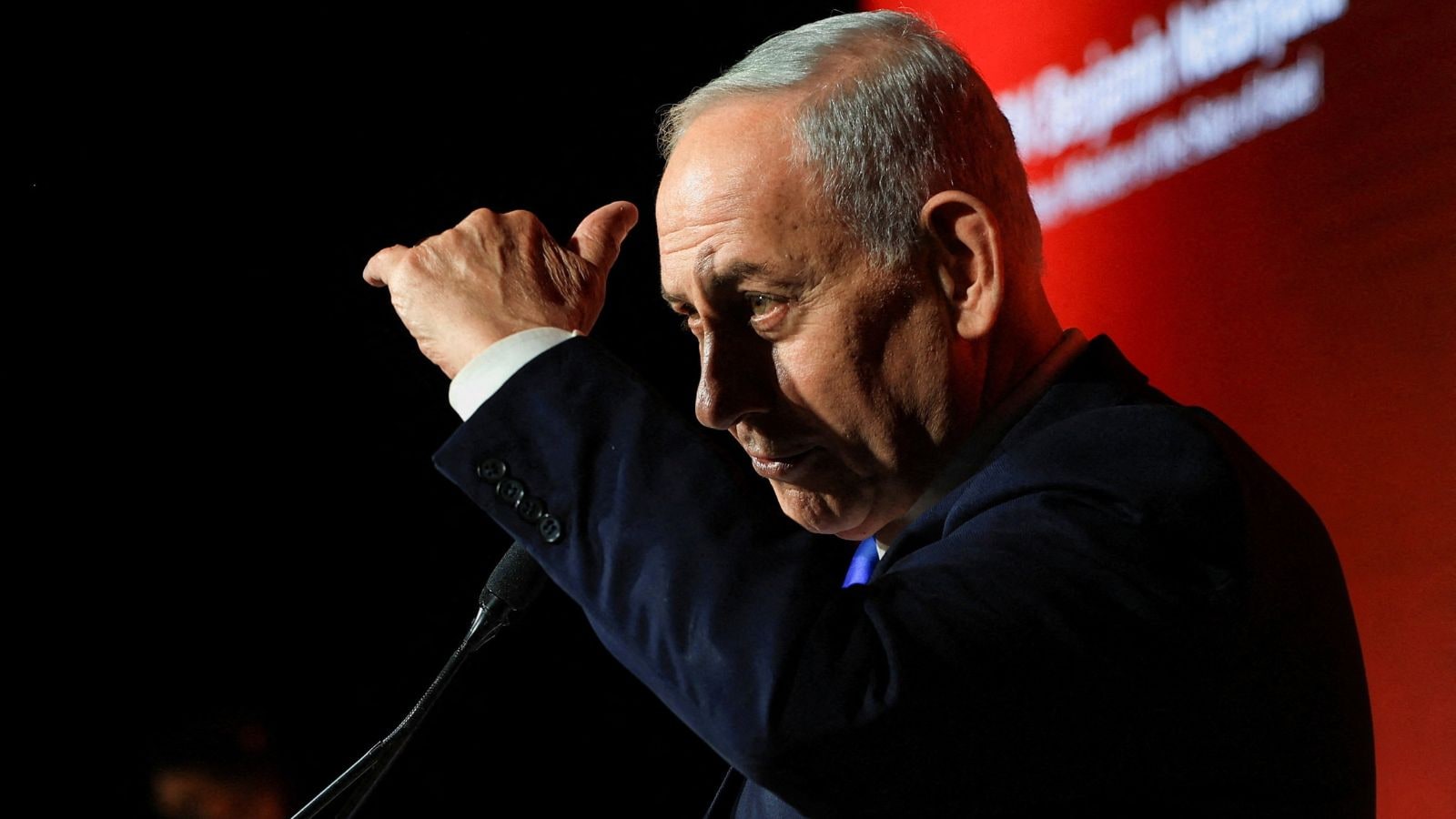
The words of the Emir weren't just political theater delivered to an assembly; they were a mirror held up to a nation that has spent the better part of a decade dodging structural collapses that analysts predicted with mathematical certainty. When exceptional events—blockades, regional tremors, economic realignments—arrive with the force of a hammer, grand pronouncements rarely save a country. Infrastructure does. Strategy does. And, most importantly, the stubborn refusal of a population to alter its rhythm does. To get more details on this issue, in-depth analysis can be read at TIME.
Consider what happened a few years prior. Overnight, borders snapped shut. Supply lines that had functioned seamlessly for decades evaporated. Shelves emptied of milk before the morning sun could even clear the desert dunes. The textbook prediction was simple: panic, paralysis, capitulation.
Instead, a quiet machinery whirred into motion.
Cargo planes rerouted in real-time, cutting through foreign airspaces with fresh agreements forged in hours rather than months. Dairy farms materialized in the middle of an arid desert, thousands of Holstein cows flown in to graze on climate-controlled alfalfa, turning a vulnerability into a masterclass in food security. It was expensive. It was stubborn. It was entirely effective.
This is the hidden architecture of resilience. It is rarely cinematic. It does not look like a movie trailer. It looks like a thousand logistics managers skipping sleep, updating spreadsheets, and renegotiating contracts in smoke-filled rooms at three in the morning. It looks like a sovereign wealth fund moving with the cold, calculated precision of a chess grandmaster, diversifying assets away from predictable storm centers and into the bedrock of global technology, green energy, and international ports.
Yet, numbers on a balance sheet fail to capture the human cost of standing your ground.
Down in the older alleyways of Souq Waqif, the scent of cardamom and roasting coffee beans still cuts through the dry heat. Here, shopkeepers who weathered the sudden shifts in regional trade do not speak of geopolitical indices. They speak of trust. They speak of the day a supplier in Oman or Turkey became as familiar as the neighbor next door.
"When the door closes, you don't sit there staring at the wood," old Ahmed told me, pouring amber-colored tea from a long-spouted pot with a steady hand. His family has traded textiles in Doha since before electricity chased the lanterns away. "You look for the window. Or you build a door of your own."
That sentiment is precisely what underpins the state’s broader narrative of endurance. When leaders speak of navigating exceptional events, they are leaning on a social contract forged between a visionary state apparatus and a population that has learned to adapt at breakneck speed. Qatar’s economy did not merely survive the geopolitical turbulence; it recalibrated. Liquefied natural gas expansion projects—massive, capital-intensive, multi-decade undertakings like the North Field expansion—continued unabated while the rest of the world hesitated. While others froze their ambitions out of fear, Doha doubled down on its primary advantage: being the indispensable anchor of global energy security when traditional pipelines elsewhere were rupturing.
Risk is a shadow. You cannot outrun it. You can only learn to walk beside it without flinching.
The modern Gulf is often misread by foreign observers as a place of effortless wealth, where glass towers spring from the sand through sheer financial gravity. That view misses the grit beneath the gloss. Building a modern nation on a peninsula surrounded by shifting maritime boundaries and complex regional dynamics requires an acute, almost hyper-vigilant paranoia. You assume the worst-case scenario is arriving tomorrow morning. You build your ports, your legal frameworks, your diplomatic channels, and your educational institutions with that exact emergency in mind.
And so, when the Emir stands before the legislative council and points to the nation's steadfastness through unprecedented storms, he is not spinning a myth. He is describing a muscle that has been torn, repaired, and grown back thicker over decades of quiet friction.
Back at the window in West Bay, the morning haze finally burned off, revealing the crisp geometry of a city that refuses to stand still. Cranes dotted the horizon, lifting steel beams against the blue. Down below, traffic hummed along the corniche in an orderly, relentless pulse.
Tariq closed the heavy ledger, picked up his cold coffee, and set it aside. There were new manifests to sign, new routes to secure, and a future that wouldn't wait for anyone to catch their breath.