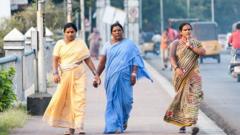
Every morning at dawn, the pavement speaks a language older than concrete. It is the rhythmic slap of hawai chappals against asphalt, the heavy trudge of a milk delivery bicycle, the brisk, purposeful stride of an elder seeking morning air. India is, and always has been, a nation of walkers. Millions wake up and step directly onto the street because they have no other choice. They walk to bus stops, railway stations, local vegetable vendors, and factories. Walking is the default machinery of daily survival for a vast portion of the population.
Yet, step outside right now in Mumbai, Bengaluru, or Delhi, and you will realize a profound betrayal.
Our cities forgot them.
The urban spaces we have built over the last three decades do not see the pedestrian. They see only the metal shell. They are engineered for the accelerator pedal and the windshield, treating the human body as an obstacle course of broken tiles, open drains, unlit alleys, and barricaded flyovers. We have traded the ancient, democratic right of foot travel for the roaring tyranny of exhaust pipes.
To understand what went wrong, you have to look down at your feet.
Imagine Rajesh, a fifty-two-year-old accountant living in a sprawling southern suburb of a Tier-1 Indian metropolis. His office is barely two kilometers away. Logically, sensibly, humanly, it is a twenty-minute stroll. But Rajesh takes his motorcycle. Why? Because the direct route requires him to brave a six-lane arterial road with zero zebra crossings, squeeze past a bus stop where commuters spill directly into speeding traffic, and leap over a utility box that completely swallows the sidewalk.
Rajesh is not lazy. He is rational. Our infrastructure has made walking a high-risk sport.
Data confirms this chilling reality. Pedestrians account for a staggering share of urban traffic fatalities across Indian cities. Every year, thousands of people who simply stepped out to buy groceries or return home from work never make it back, struck down not by bad luck, but by hostile urban design. When planners design roads primarily to maximize vehicular throughput rather than human safety, they are not building progress. They are building a silent filter for the vulnerable.
Consider what happens next. The middle class retreats further into air-conditioned metal boxes, adding to the gridlock. The working class continues to walk, but they do so in constant peril, dodging speeding SUVs while balancing grocery bags or holding a child’s hand.
The tragedy is that India’s urban DNA is fundamentally pedestrian-friendly. Traditional neighborhoods—the old quarters of Ahmedabad, the narrow lanes of Varanasi, the chowks of old Delhi—were built around human scale. Distances were short. Shops, homes, temples, and schools bled into one another. You navigated them with your senses: the smell of fresh tea, the sound of a neighbor shouting greetings, the safety of eyes on the street.
Then came the automobile age, imported wholesale from Western models that never quite fit our dense, vibrant realities. We widened roads by chopping down age-old shade trees. We built pedestrian overpasses that treat human beings like cargo, forcing elderly citizens and mothers with strollers to climb vertical flights of concrete stairs while cars zoom unhindered below. (As a side note, pedestrian overpasses are frequently monuments to bad planning; people naturally avoid them because they are exhausting, unsafe at night, and inconvenient.) We paved over our street life.
The economic cost of this amnesia is staggering, though rarely calculated on corporate balance sheets. When cities become hostile to walking, public health plummets. Obesity, type-2 diabetes, and cardiovascular ailments surge in urban centers. Sedentary lifestyles become mandatory because the environment demands passivity. Furthermore, low-income urban workers spend a disproportionate slice of their daily wages on auto-rickshaws and feeder buses just to cover micro-distances that should take ten minutes on foot, simply because walking has become physically treacherous.
Change, however, is beginning to whisper through the noise.
A few progressive municipal bodies are starting to ask a radical question: What if we designed our streets for people instead of cars?
Cities like Chennai have pioneered non-motorized transport policies, legally mandating continuous, wide, unobstructed footpaths on all major roads. Streetscaping projects have transformed chaotic asphalt deserts into vibrant plazas where walking is not just tolerated, but celebrated. When a pavement is widened, well-lit, shaded by trees, and cleared of encroaching parked cars, something magical happens. People reappear. Street vendors find legitimate, organized spaces. Neighborhood economies pulse with fresh life. Children play. Elders sit on benches and watch the afternoon drift by.
This is not a romantic luxury. It is a fundamental prerequisite for urban survival. As climate change turns our concrete jungles into heat islands, walkable, shaded streets with permeable paving and native trees are our best defense against rising temperatures.
The path forward does not require inventing new technology. It requires a fundamental shift in empathy. It demands that urban designers walk their own cities in the shoes of a daily wage laborer, a schoolchild, or an aging grandparent. It requires us to look at an empty stretch of asphalt and see not a parking slot, but a missing conversation, a lost stroll, a stolen breath of freedom.
The next time you step out of your door, notice the cracks in the pavement, the missing curb ramps, the sudden disappearance of the sidewalk into a blank wall. Feel the abrupt shift from human dignity to traffic panic.
And remember that beneath the concrete, the walkers are still waiting.