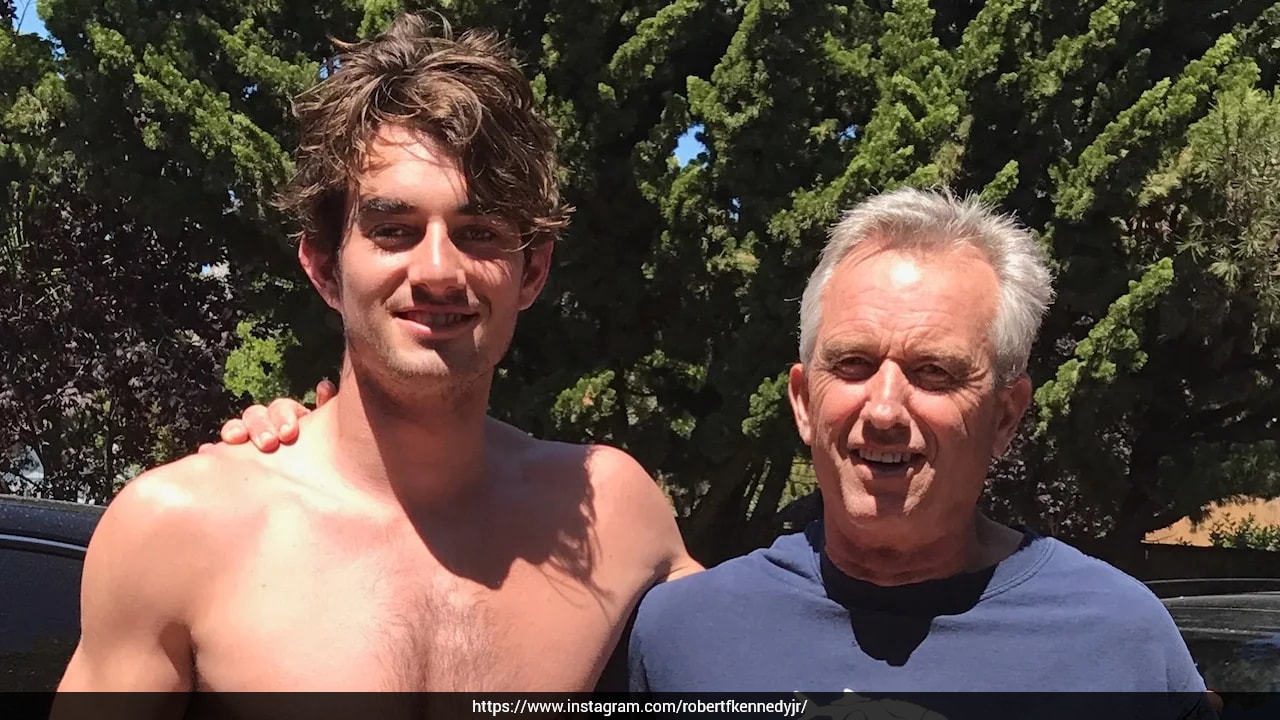
The headlines sound like something out of a Cold War thriller. Conor Kennedy, son of current U.S. Health Secretary Robert F. Kennedy Jr., has been officially placed on Russia’s international wanted list. A Moscow court has authorized his arrest in absentia. The charges carry a potential sentence of seven to 10 years in prison if he were ever to be captured by Russian authorities.
It’s easy to get lost in the noise of family names and old celebrity gossip, but the core of the story is straightforward. This isn't about politics or lineage. It’s about a two-month stint in 2022 where a then-28-year-old Kennedy left his life in the United States to join the International Legion in Ukraine.
The Reality of the Charges
Russia is banking on the classification of foreign volunteers as "mercenaries". By labeling these individuals this way, Moscow aims to delegitimize their presence on the battlefield and subject them to criminal prosecution rather than the protections afforded to formal soldiers under international law.
Kennedy isn't the only one targeted this way. Reports indicate that Russia has initiated similar legal proceedings against various foreign volunteers from the U.S., the U.K., and other nations. This is a strategic move, not an isolated incident. It’s a message directed at any foreign national considering support for Ukraine.
How It Happened
Kennedy’s path to the front lines was unconventional. He lacked any prior military experience. He didn’t go through official channels that his family would have known about. In fact, he kept the entire endeavor secret from his father and his stepmother, Cheryl Hines.
He later revealed that he only told one person in Ukraine his real name and kept his whereabouts hidden from almost everyone else. He simply showed up at an embassy, enlisted, and was eventually sent to the northeastern front.
When his father, RFK Jr., became suspicious due to credit card charges appearing in Poland and Ukraine, the truth finally came out. While the initial reaction from his parents was one of alarm, Kennedy held his ground, telling his father that he was doing exactly what he had been taught to do: stand up for his personal convictions.
Understanding the Legal Risk
Let’s be clear about what an "arrest in absentia" actually means. It is a legal maneuver used by the Basmanny District Court in Moscow to signal intent, but it has no real-world impact on Kennedy’s daily life in the United States.
He is currently working as an associate attorney in Los Angeles. He returned to his studies at Georgetown University shortly after his time in Ukraine. Unless Kennedy travels to a country with an extradition treaty that would honor a Russian warrant—which is highly improbable given the diplomatic climate—he is not in any immediate physical danger from these charges.
Why This Matters Now
The timing of the warrant is curious. While Kennedy’s involvement was public knowledge since late 2022, the formalization of these charges in August 2026 coincides with his father’s prominent role in the U.S. cabinet. It’s a geopolitical nudge. By targeting the son of a high-ranking U.S. official, Moscow is likely attempting to create friction and keep the spotlight on the involvement of U.S. citizens in the conflict.
If you’re wondering what happens next, the answer is likely very little. Kennedy has already moved on with his legal career. His experience in Ukraine remains a closed chapter of his life. For everyone else, the situation serves as a stark reminder of the long-term legal consequences that can follow those who intervene in active conflict zones, regardless of their motives or their background.
The warrant serves as a cautionary tale for those who seek to involve themselves in international combat. It’s a reminder that borders and legal jurisdictions can change the consequences of your choices years after the dust has settled.
Russia's wanted list: RFK Jr.'s son
This video provides additional context regarding the diplomatic implications of Russia's arrest order for Conor Kennedy.