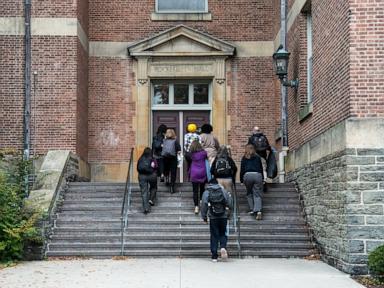
A university faculty senate passing a vote of no confidence isn't just academic theater. When Cornell University's Faculty Senate voted no confidence in the school's leadership, it sent a loud, unmistakable signal across higher education that trust between professors and the central administration had broken down completely.
You might assume a vote like this immediately forces a university president or provost out the door. It doesn't. In the structure of American higher education, faculty senates hold moral and advisory authority, not hiring-and-firing power. That power sits squarely with the Board of Trustees. Yet dismissing this vote as purely symbolic misses the real damage it inflicts on day-to-day university governance, fundraising, and institutional reputation.
Why Cornell Faculty Reached a Breaking Point
Universities run on a messy, unwritten contract called shared governance. Basically, trustees handle the endowment and big-picture fiduciary duties, administrators manage operations, and the faculty controls the curriculum, research standards, and academic freedom. When that balance tips too far toward top-down corporate management, friction turns into open revolt.
At Cornell, tension between the faculty and Day Hall—the building housing the university's central administration—had been building for months before the formal vote ever hit the senate floor. Faculty members raised sharp alarms over how campus speech policies were drafted and enforced, arguing that unilateral administrative decisions bypassed established faculty committees.
When professors feel treated like middle-management employees rather than partners in running the institution, pushback is inevitable. The vote wasn't sparked by a single bad memo. It grew out of a cumulative frustration over transparency, disciplinary procedures, and whether leadership was listening to the people who actually teach the classes and run the labs.
The Role of Campus Speech and Policy Changes
Across the Ivy League, administrators have struggled to balance donor pressure, federal scrutiny, and student activism. At Cornell, the introduction of an interim expressive activity policy became a major flashpoint. Many faculty members argued that the rules were rolled out without genuine consultation and risked chilling legitimate academic inquiry and peaceful protest.
To be fair to the administration, running a multibillion-dollar research institution under intense political spotlight is brutal. Leaders face competing demands from alumni, lawmakers, parents, and students every single day. Still, bypassing faculty governance to push through sweeping campus rules almost always backfires at research universities, where professors have tenure and aren't afraid to speak up.
How a No-Confidence Vote Works in Higher Education
If you've never sat inside a faculty senate meeting, the mechanics can look confusing. Unlike a parliamentary system where losing a confidence vote automatically dissolves the government, a university vote is a formal expression of collective disapproval.
Here is what happens behind the scenes when a resolution like this moves forward:
- Drafting the Resolution: A group of senators or a specific committee drafts the text, laying out the grievances against the president, provost, or senior leadership team.
- Floor Debate: Senators debate the wording, propose amendments, and argue over whether a formal rebuke will help or hurt the institution's bargaining power with trustees.
- The Ballot: Depending on senate rules, members vote either openly or by secret ballot—secret ballots often yield higher "no confidence" numbers because junior faculty don't have to worry about subtle retaliation.
- Transmission to the Board: Once passed, the resolution goes straight to the Board of Trustees, forcing them to publicly or privately address the rift.
It's a blunt instrument. Faculty senates rarely pull this trigger because once you use it, you can't easily escalate further without threatening strikes or mass resignations.
Does the Board of Trustees Have to Listen?
Legally, no. Cornell's Board of Trustees holds ultimate governing authority under the university's charter. They can ignore the vote, issue a polite statement praising the administration, and move on.
Practically, though, trustees hate public division. A fractured campus scares away major donors, makes recruiting top-tier department chairs harder, and gives rival universities an easy talking point when competing for star researchers and graduate students. Even when a board publicly backs its leadership right after a vote, behind closed doors, the clock often starts ticking on leadership transitions or major policy rollbacks.
What Most People Get Wrong About Faculty Revolts
Media coverage often frames these votes as simple left-versus-right political battles. That's lazy reporting. While national politics certainly inflame campus tensions, internal faculty votes usually hinge on process and institutional power rather than pure ideology.
Conservative, moderate, and progressive professors regularly vote together when they believe administrators are eroding academic freedom or ignoring faculty bylaws. A chemist worried about federal grant compliance and a humanities professor worried about protest rules might disagree on everything else, yet both will vote against an administration that centralizes power and cuts faculty out of decision-making.
Another common misconception is that a no-confidence vote means the university is falling apart academically. Classes still meet. Labs still publish papers. Admissions applications keep rolling in. The immediate impact isn't on the classroom—it's on the gridlock between the faculty committees and the administrative offices needed to approve new programs, revise tenure guidelines, and manage campus crises.
The Ripple Effect Across the Ivy League
Cornell didn't act in a vacuum. Over the past couple of years, faculties at several prominent institutions—including Harvard, Columbia, and the University of Pennsylvania—have weighed or passed similar resolutions questioning their administrations' handling of campus turmoil and external political pressure.
This wave of votes signals a deeper identity crisis in elite higher education. For decades, American universities expanded their administrative ranks rapidly, adopting corporate management styles while keeping traditional faculty senates on the sidelines. That model worked fine when budgets were growing and politics stayed quiet. Under pressure, the cracks showed immediately.
When one major research university's faculty takes the step of declaring no confidence, it lowers the barrier for other senates to do the same. It normalizes pushing back against top-down governance.
How to Track What Happens Next at Cornell
If you're following how this plays out—whether as an alum, a student, a higher-ed observer, or a prospective applicant—don't just watch for dramatic resignation headlines. Watch the quiet policy shifts over the next two semesters.
Pay close attention to the minutes published by the Cornell University Senate and official communications from the Office of the President and the Board of Trustees. Look specifically for whether interim campus policies get rewritten through standard faculty committees, whether joint task forces are formed with real veto power, and whether senior administrative vacancies get filled quickly or linger in "acting" status. Those concrete operational shifts will tell you far more about who actually won the standoff than any press release ever could.



