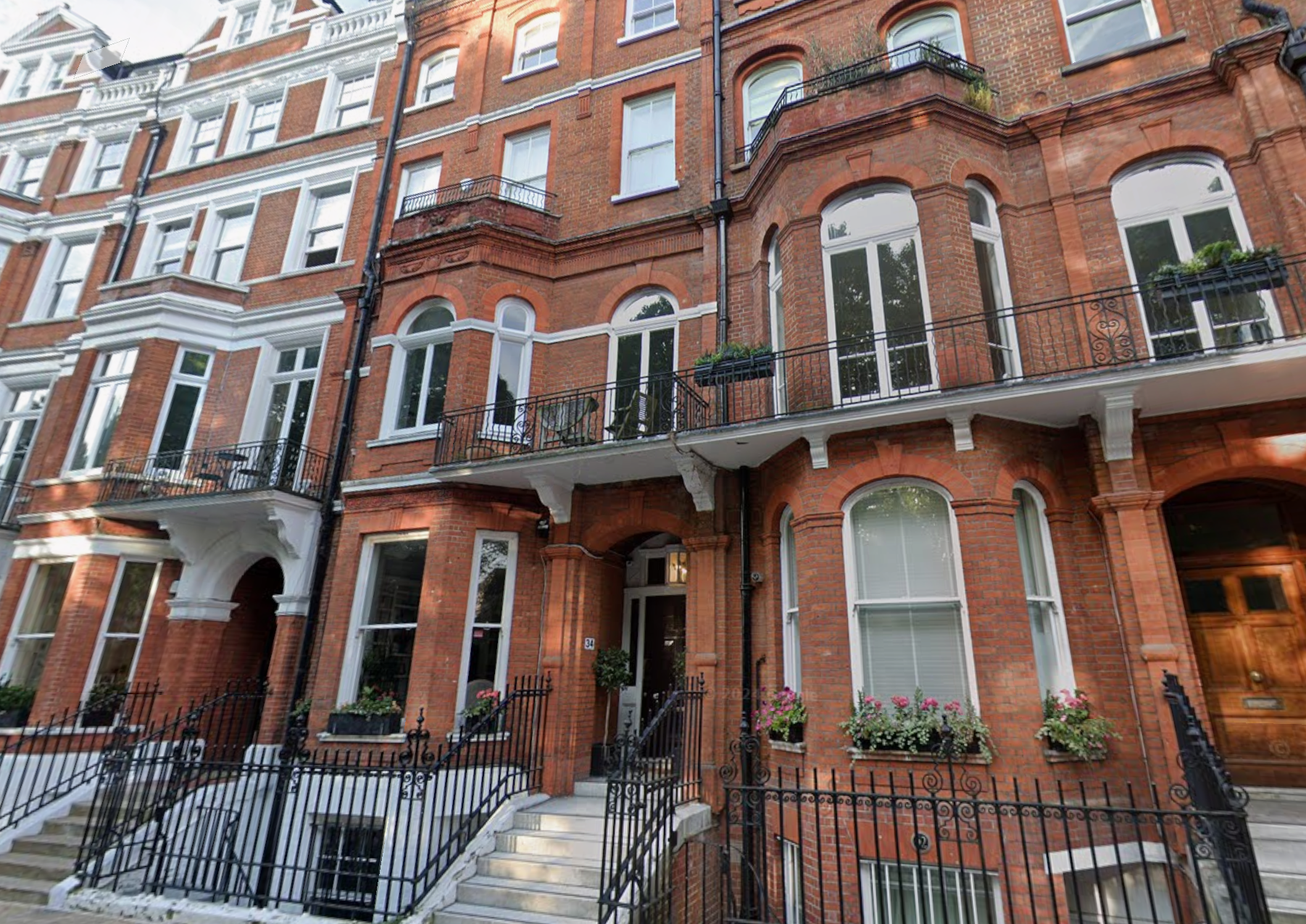
You think you’ve hired a professional to handle your home renovation, and then a layer of fine white dust settles on every surface of your multi-million dollar apartment. Most people would call a cleaning crew and send the bill to the contractor. For one high-flying banker, that dust turned into a legal nightmare worth $377,000. It’s a staggering sum that highlights exactly how fast a luxury renovation can spiral out of control when things go south.
The reality of high-end real estate is that "minor" mistakes aren't minor. They're catastrophic. When you’re dealing with bespoke finishes, custom cabinetry, and delicate ventilation systems, a bit of drywall dust isn't just a nuisance. It’s a chemical hazard to expensive machinery and high-grade materials. This case isn't just about a messy construction site. It’s about the massive financial liability that sits on the shoulders of homeowners and contractors when expectations aren't met in the luxury sector. Expanding on this topic, you can find more in: Australia and Japan are Building a Mineral House of Cards.
How Extraordinary Dust Led to an Extraordinary Bill
The core of this dispute centered on what was described in court as "extraordinary" dust. It wasn’t just a few particles floating in the air. We’re talking about a pervasive, invasive grit that penetrated the very infrastructure of a high-end residence. The homeowner, a prominent banker, found himself at odds with his contractors over the state of his property during and after a major overhaul.
The court didn’t just look at the mess. They looked at the damage. In a luxury setting, dust can destroy high-end HVAC systems, clog intricate audio-visual cooling fans, and ruin porous stone surfaces like marble or limestone. The $377,000 figure didn't appear out of thin air. It represented the cost of remediation, professional deep-cleaning of industrial-grade systems, and the replacement of items that simply couldn't be restored to their original "mint" condition. Experts at CNBC have provided expertise on this matter.
If you’re renovating a standard suburban home, you might pay a few hundred bucks for a post-con scrub. In the world of elite banking and ultra-prime real estate, that's not how it works. Specialist cleaners often charge by the square foot for hazardous material removal, and when that dust is considered a contaminant to high-tech systems, the meter starts running fast.
Why Luxury Renovations Are a Legal Minefield
Renovating at this level isn't like a DIY weekend project. It’s a business transaction involving massive amounts of capital and complex contracts. The mistake many homeowners make is assuming that "full service" means they don't need to watch the fine print. They're wrong.
Most high-end contracts have specific clauses about site protection. If a contractor fails to seal off a room with heavy-duty plastic sheeting or doesn't use HEPA-filtered vacuum systems during sanding, they’re in breach. But the homeowner also has responsibilities. The legal battle in this case highlighted the friction between a client’s vision of a "clean" site and the gritty reality of structural work.
The Problem With Protection Standards
What one person calls "clean enough" is another person's "total loss." Here’s what usually goes wrong in these $300k+ disputes:
- Inadequate Containment: Contractors use thin plastic that tears easily. Dust travels through the smallest gaps.
- HVAC Negligence: Failing to turn off the air conditioning or furnace during sanding. This sucks the dust into the ducts and distributes it to every room in the building.
- Surface Sensitivity: High-end finishes like Venetian plaster or silk wallpaper can't be "wiped down." If dust hits them, they're ruined.
- Lack of Documentation: Neither side takes photos of the site protection before the work starts.
In the banker's case, the "extraordinary" nature of the dust meant it wasn't just a byproduct of work. It was evidence of a failure to follow the most basic protection protocols required for a property of that caliber.
The True Cost of Cutting Corners on Site Prep
You might think spending $20,000 on "site prep and protection" is a scam when you see it on a quote. It's not. It's insurance. That money goes toward floor protection, temporary dust walls, and air scrubbers. When a contractor skips these steps to save time or pad their margin, the homeowner is the one who ends up in a courtroom three years later.
The $377,000 bill reflects more than just physical labor. It reflects the loss of use of the property. If you can't live in your home because the air quality is dangerous or the systems are failing, the contractor might be liable for your temporary housing. For a banker used to a certain lifestyle, that "temporary housing" isn't a cheap motel. It’s a five-star suite or a comparable luxury rental, which can run $30,000 a month or more.
The legal fees alone in these cases can often rival the cost of the actual cleaning. Both sides dig in. The homeowner feels disrespected and their investment devalued. The contractor feels the client is being "difficult" or "unrealistic." This emotional friction fuels the litigation, turning a dust problem into a multi-year saga.
How to Avoid Your Own $300k Cleaning Bill
If you're planning a high-end project, don't just look at the renderings of the finished kitchen. Look at the "Protection Plan" in the contract. If there isn't one, you're already in trouble. You need to be aggressive about your expectations from day one.
Demand a written protocol for dust containment. This should include the use of zip-walls, floor-to-ceiling plastic barriers, and the sealing of all supply and return vents. Don't let them turn the AC on until the project is finished and a professional duct cleaning crew has cleared the lines. It's also smart to hire a third-party project manager who isn't affiliated with the construction firm. Their job is to walk the site and flag issues before the dust settles—literally.
You also need to document everything. Take photos of the protection measures every Monday morning. If you see a gap in the plastic, send an email immediately. Don't wait until the end of the month to complain. In the eyes of the law, if you saw a problem and didn't say anything, you might be seen as accepting the standard of work.
The Final Verdict on Luxury Dust
The banker’s $377k bill is a wake-up call for anyone in the luxury market. It proves that "details" aren't just about the color of the paint or the grain of the wood. The details that matter most are the ones that keep the project from destroying the very property it’s meant to improve.
Don't assume your contractor cares about your lungs or your silk rugs as much as you do. They’re there to build. You’re there to protect your investment. If the site looks like a Sahara sandstorm, stop the work. It’s much cheaper to pause a project for two days than it is to pay a legal team for two years.
Get a professional air quality test before you move back in. If the particulate count is high, the job isn't done. Make sure the final payment is contingent on a "white glove" inspection. If you find dust on the top of a door frame or inside a light fixture, the contractor hasn't met the standard. Hold the line. Your bank account will thank you.