Airstrikes and artillery shells don't check IDs before they detonate. When a bomb hits a bustling open-air market in Darfur, the immediate headlines usually focus on the military target—or the excuse that armed fighters were present. Yet the people actually dying among the overturned stalls and charred produce are almost always regular civilians just trying to earn enough money to survive the week.
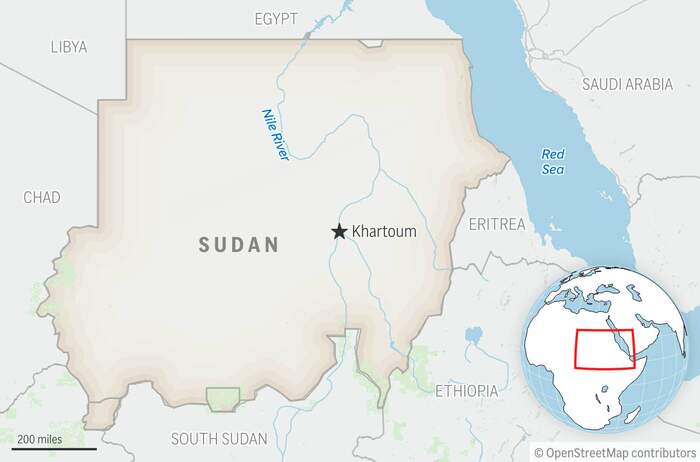
Reports of a strike on a Darfur market killing civilians who were selling food to fighters highlight one of the ugliest, least understood realities of Sudan's ongoing civil war. To understand what happened, you have to look past the surface-level military briefings and examine how war economies actually function on the ground. In regions cut off from formal banking, aid convoys, and supply chains, local markets become the sole lifeline for everyone—including armed groups.
If you're looking for the direct answer to why civilians end up in the crossfire while feeding combatants, it comes down to simple survival and international humanitarian law. Under the Geneva Conventions, selling food or basic necessities to soldiers does not make a civilian a lawful military target. Period.
The Reality of Survival in Darfur's War Economy
When an entire region is trapped in a protracted conflict, standard jobs vanish overnight. Factories close, farms burn, and transport routes get choked off by checkpoints. For a family living in Darfur, setting up a small stall to sell tea, flatbread, or boiled beans isn't a political statement or an act of war. It's the only way to buy medicine or feed their own kids.
Armed fighters—whether they belong to the Rapid Support Forces (RSF), the Sudanese Armed Forces (SAF), or local militias—need to eat. They carry cash or looted goods, and they walk straight into the exact same markets where local residents shop. A vendor behind a wooden table doesn't have the luxury of refusing service to a man carrying an automatic rifle. Saying "no" to an armed fighter in a lawless zone isn't bravery; it's a death sentence.
So civilians sell them food. They take the money, keep their heads down, and hope to make it home before dark. When military planners treat that basic commercial transaction as proof that a market is a "rebel hub" or a "military staging ground," they erase the line between combatants and non-combatants.
Why Markets Become Frequent Targets
Markets in Darfur aren't just places to buy groceries. They're communication hubs, transport terminals, and the beating heart of local communities. Unfortunately, that visibility makes them magnets for violence.
- High concentration of people: An attack on a market guarantees maximum shock value, terrorizing the local population into fleeing or submitting.
- Presence of off-duty fighters: Combatants frequently mingle with shoppers to buy supplies, recharge phones, or catch transport, giving attackers a convenient pretext to strike.
- Disruption of local supply lines: Destroying a market cripples an entire town's ability to feed itself, functioning as a form of collective punishment even when not officially declared as siege warfare.
What International Law Actually Says About Selling Food to Fighters
There's a massive misconception floating around online whenever these strikes happen. People often argue that if civilians are feeding or supplying soldiers, they've "chosen a side" and forfeited their protection. That's completely false under international humanitarian law (IHL).
Organizations like the International Committee of the Red Cross (ICRC) are crystal clear on this point. Civilians only lose their protection against direct attack if—and for such time as—they take a direct part in hostilities.
What counts as direct participation? Shooting a weapon, planting an explosive, acting as a lookout during an active ambush, or transporting ammunition directly to the front lines. Selling a plate of food, a bottle of water, or a pack of cigarettes at a public market does not qualify. Even if a vendor knows the buyer is a soldier, general economic support or sustaining the daily needs of fighters falls firmly outside the definition of combat.
The Rule of Proportionality
Even if an airstrike or artillery barrage is genuinely aimed at a group of armed fighters eating lunch at a market, the attacking force is still bound by the principle of proportionality. Military commanders are legally required to cancel or suspend an attack if it's expected to cause incidental loss of civilian life that would be excessive in relation to the concrete and direct military advantage anticipated.
Dropping heavy munitions into a crowded marketplace during peak hours to hit a handful of fighters buying lunch violates this rule on its face. You don't need a law degree to see that wiping out dozens of vendors and shoppers to eliminate a few off-duty combatants isn't precision warfare. It's indiscriminate slaughter.
How Witness Accounts Cut Through Official Denials
In conflicts like the one tearing Sudan apart, independent journalists rarely have easy access to the blast site immediately after a strike. Internet blackouts, destroyed cell towers, and active fighting create an information vacuum. Both warring sides routinely exploit this silence to deny responsibility or blame the other faction.
That's why witness testimonies from survivors, local doctors, and volunteer responders—like Sudan's Emergency Response Rooms—are so vital. When witnesses describe vendors dying behind pots of food and shoppers blown apart near vegetable stalls, those details establish the civilian nature of the site long before satellite imagery can be analyzed.
Human rights monitors, including groups like Human Rights Watch and Amnesty International, rely heavily on cross-referencing these ground accounts with munition fragments and satellite photos. A crater's shape tells investigators the direction and type of ordnance used. Survivors' descriptions of the time of day—usually mid-morning when markets are packed—confirm whether the strike was timed to hit peak civilian crowds.
The Wider Impact on Famine and Displacement
Every time a market is bombed or shelled in Darfur, the damage ripples outward for months. You aren't just looking at the immediate death toll from shrapnel and blast waves. You're looking at the destruction of a fragile food distribution network in a region already staring down catastrophic famine.
Once a market is hit, surviving vendors pack up whatever isn't burned and flee. Transport drivers refuse to bring trucks into the area. Prices for basic staples like sorghum, millet, and cooking oil skyrocket overnight because nobody wants to risk standing in an open square waiting for the next shell to drop.
For families already surviving on one meal a day, losing their local market pushes them straight over the edge into starvation. Humanitarian agencies have repeatedly warned that attacks on civilian infrastructure—markets, water pumps, hospitals, and grain silos—are driving mass displacement faster than direct ground battles between rival militias.
How to Verify News and Track Accountability in Sudan
When you see breaking reports about airstrikes or market attacks in Darfur, it's easy to feel overwhelmed by conflicting claims or tune out entirely. Staying informed without falling for war propaganda requires a deliberate approach to how you consume conflict news.
- Check primary monitoring groups: Look at reports from organizations tracking Sudan closely, such as the Yale Humanitarian Research Lab, ACLED (Armed Conflict Location & Event Data), and UN OCHA situation updates. They verify incidents using satellite data and vetted local networks rather than relying on press releases from warring generals.
- Look for specific munition and location details: Credible reports name the specific town, locality, and time of the strike, alongside statements from local medical staff or community responders rather than vague, anonymous social media accounts.
- Support local frontline responders: International aid often gets bogged down at borders or blocked by red tape. Direct community networks like Sudan's Emergency Response Rooms operate on the ground, running communal kitchens and evacuating wounded civilians from bombed neighborhoods.
Follow verified conflict monitors, scrutinize any military claim that labels a crowded civilian market a legitimate target, and keep attention focused on the human cost of indiscriminate warfare in Darfur.