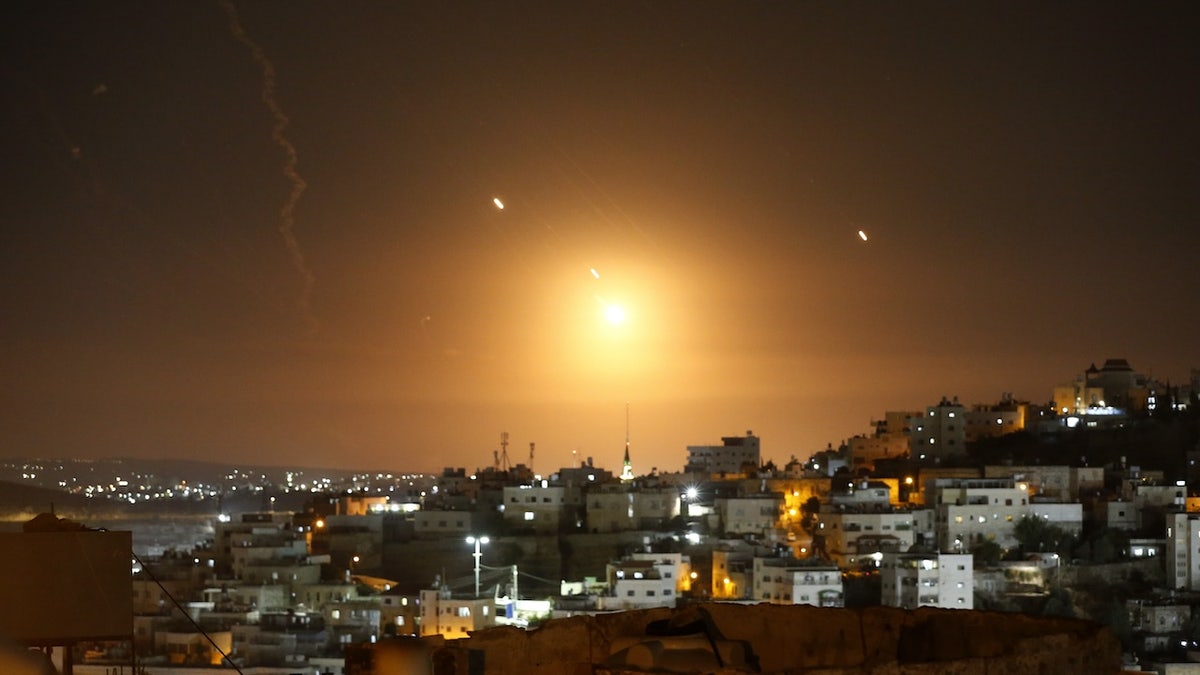
Cuba’s national electric grid collapsed again this Saturday, marking the third time the island has gone completely dark this month. If you’re looking for a single reason why, you won’t find it. It’s a perfect storm of ancient machinery, a lack of cash, and a tightening U.S. oil blockade that’s basically suffocating the island’s ability to keep the lights on.
The immediate trigger for Saturday’s failure was a breakdown at the Nuevitas thermoelectric plant in Camagüey. When that unit tripped, it caused a cascading failure that dragged the rest of the interconnected system down with it. It’s like a house of cards where the bottom row is made of soggy cardboard. Within minutes, 10 million people were left without power, and the government had to scramble to set up "micro-islands" of energy just to keep hospitals and water pumps running. Read more on a connected topic: this related article.
The blockade is hitting where it hurts
You can't talk about Cuba’s energy crisis without talking about the U.S. oil blockade. Since January 2026, the Trump administration has been aggressively targeting any country or shipping company that dares to send oil to the island. They’ve threatened massive trade tariffs and even abducted Venezuelan President Nicolás Maduro, which effectively cut off Cuba’s most reliable fuel lifeline.
President Miguel Díaz-Canel says the island hasn't received a significant oil shipment from foreign suppliers in three months. Cuba only produces about 40% of the fuel it needs to run its own economy. The rest has to be imported, but with the U.S. looming over every tanker in the Caribbean, nobody wants to take the risk. It’s a chokehold, plain and simple. The White House calls it pressure for democratic reform, but on the ground, it looks like empty refrigerators and darkened operating rooms. More analysis by Associated Press delves into comparable views on this issue.
A grid held together by duct tape and hope
Even if the oil were flowing freely, Cuba’s infrastructure is a disaster. Most of the island’s large thermoelectric plants are way past their expiration date. We’re talking about 40-year-old Soviet-era technology that hasn't seen a real upgrade in decades.
- The Antonio Guiteras Plant: This is the big one in Matanzas. It’s the backbone of the system, but it’s incredibly finicky. It failed twice in October 2024 and continues to be a major point of failure in 2026.
- Maintenance deficits: Because of the economic crisis, there’s no hard currency to buy spare parts. Engineers are basically cannibalizing old machines to keep others running.
- Heavy Crude: Cuba uses its own domestic crude for some plants, but it’s high in sulfur. That stuff is corrosive. It eats the boilers from the inside out, leading to frequent, "unexpected" shutdowns.
When a plant like the one in Nuevitas goes down, the system tries to compensate by pulling power from other plants. But those plants are already running at 100% capacity just to meet basic demand. They can't handle the extra load, so they shut down too. It’s a domino effect that the Electric Union (UNE) hasn't been able to stop.
Life in the dark is the new normal
For the average person in Havana or Santiago, these blackouts aren't just an inconvenience. They’re a threat to survival. When the grid goes down, the water pumps stop. No electricity means no way to cook for those who rely on electric stoves. Food—which is already scarce and expensive—rots in the heat because the fridge is dead.
The government has tried to manage this by "paralyzing" the economy. They’ve shut down schools, non-essential workplaces, and even recreational centers to save every megawatt for the population. But you can't run a country on a four-day workweek forever. Tourism, which accounts for 13% of the GDP, is cratering because hotels can't guarantee air conditioning or even lights.
The human cost
Hospitals have had to cancel non-emergency surgeries. People are reportedly turning to charcoal and wood for cooking, leading to a spike in deforestation. It feels like a regression. While the rest of the world talks about AI and green energy, Cubans are just trying to figure out if they’ll have enough light to eat dinner tonight.
What happens next
Don't expect a quick fix. The Cuban government is pushing for a shift to solar energy, with 31 new solar parks projected for completion, but that won't solve a nationwide fuel crisis tomorrow.
If you're watching this situation, keep an eye on the diplomatic tension. The U.S. recently asked to import diesel for its own embassy in Havana, and Cuba said no. It’s a petty, high-stakes standoff where the casualties are the 11 million people caught in the middle. The grid might come back online by Tuesday, but without a steady fuel supply and massive investment, another collapse is just a matter of time.
If you're planning travel or business involving the region, check for real-time updates from the Cuban Electric Union on Telegram. They're often the first to report these "cascading failures" before they hit the international wires. Don't rely on state TV; by the time they're broadcasting, the lights are already out.