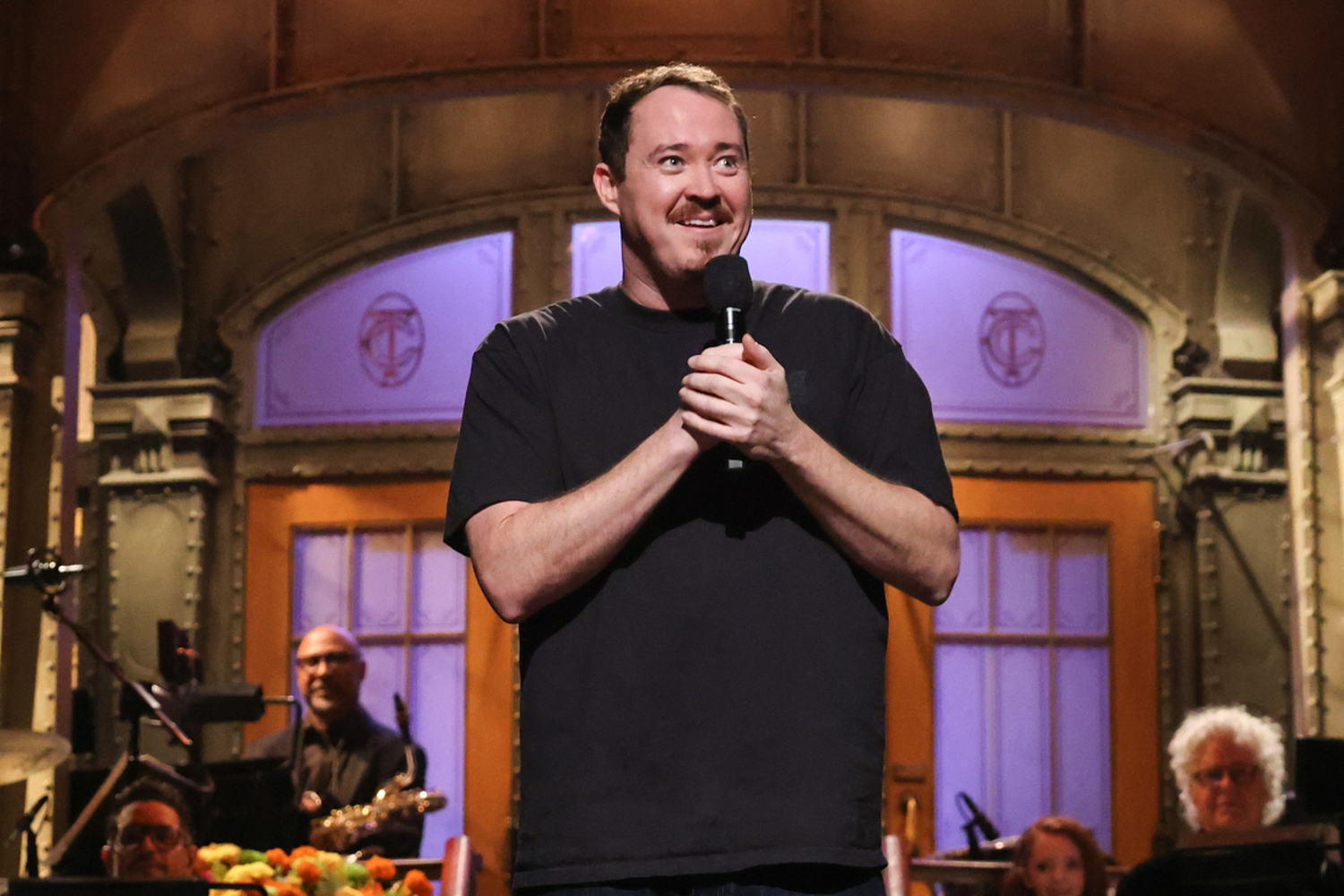
Comedy has always lived on the edge of discomfort. When Shane Gillis stepped onto the Studio 8H stage to host Saturday Night Live in early 2024, the television industry watched with bated breath. This was a man fired from the very same cast years prior over offensive podcast remarks, brought back as a victorious prodigy of the alternative comedy ecosystem. Then came the monologue. It bombed with the live studio audience, stumbled through awkward pauses, and ruffled feathers across social media.
Among the critics was Dan Levy, the sharp-witted creator of Schitt's Creek, who didn't hesitate to voice his frustration. But let's be honest about what happened that night. The discourse that followed completely missed the point. While commentators fixated on bruised egos and generational comedy divides, they ignored how modern television platforms weaponize controversy for ratings.
Let's break down why this clash matters, what the critics got wrong, and how the comedy world is changing whether we like it or not.
The Backstory of an Unlikely Return
You can't understand the Gillis monologue without remembering his initial firing in 2019. Within days of being announced as a new featured player on Saturday Night Live, historical clips surfaced of Gillis using racial slurs and making crude jokes on a podcast. NBC cut ties immediately. It was swift, corporate, and entirely predictable for a network protecting its advertiser base.
Fast forward a few years. Gillis built a massive, independent empire outside the traditional Hollywood gatekeepers. He sold out arenas, funded his own specials, and cultivated a fiercely loyal digital fanbase that rejected mainstream media oversight. When NBC invited him back to host, it wasn't an act of artistic redemption. It was a calculated business move. The network wanted the eyeballs of an audience that usually wouldn't tune in on a Saturday night.
When Dan Levy expressed his disapproval online, he spoke for a segment of the industry that still values traditional broadcast decorum. Levy represents a polished, progressive standard of comedy where inclusivity and kindness sit at the forefront. Gillis represents the cynical, anti-woke, barstool-podcast aesthetic that treats sensitivity as a punchline.
Where the Monologue Went Wrong
If you watched the monologue live, the tension was palpable. Gillis tried to thread an impossible needle. He wanted to acknowledge his controversial past without apologizing, lean into his persona as an awkward outsider, and still appeal to a mainstream broadcast audience that mostly had no idea who he was.
It failed structurally. A good monologue sets a welcoming tone for the night. Gillis spent his opening minutes rambling about his mother, stumbling over audience reactions, and making bizarre choices about how to address his own notoriety. He tried to play the victim of cancel culture while standing on the most powerful TV stage in the world.
That disconnect is precisely what alienated viewers like Levy. When you invite someone with a history of punching down into a premier cultural slot, audiences expect sharp satire or genuine contrition. Instead, they got a defensive set that felt more like an open mic in a suburban comedy club than polished network television.
The Hypocrisy of Network Gatekeeping
Here is where the conversation needs more nuance. Criticizing Gillis is easy. Questioning NBC is where things get interesting.
You cannot fire a comedian for offensive remarks in 2019, watch him build an independent multi-million-dollar audience through sheer grit, and then invite him back to host once his commercial value outweighs the PR risk. That isn't growth from the network. That's opportunism.
Networks love the smell of controversy because it generates free press. Every article written about Levy condemning Gillis drove more streaming clicks to Peacock. Every furious post on social media amplified the episode's reach. The execs sitting in Rockefeller Center weren't sweating over awkward jokes; they were looking at engagement metrics.
Levy's critique came from a place of artistic integrity. He cares about the culture of the rooms we build and the safety of the artists working within them. But directing all the anger at Gillis lets the corporate machine off the hook entirely.
The Changing Face of Stand-Up
We are witnessing a permanent fracture in how comedy is distributed and consumed. Traditional gatekeepers like network television, late-night talk shows, and major movie studios are losing their monopoly on tastemaking.
Artists like Gillis prove that you don't need NBC, HBO, or a Hollywood publicist to reach millions of people. You just need a microphone, a podcast feed, and direct access to your listeners. This independence creates a dangerous blind spot, though. When creators answer only to their most hardcore digital supporters, accountability disappears. Echo chambers form. Nuance dies.
Conversely, mainstream comedy often feels over-sanitized, written by committee, and terrified of taking actual risks. That fear is what drives audiences toward rougher, edgier alternative comics, even when their material crosses lines into cruelty or ignorance.
What We Should Actually Take Away
The friction between Dan Levy and Shane Gillis isn't just about a bad three-minute speech on television. It highlights a deeper culture war happening across entertainment.
One side wants comedy to be a welcoming space that challenges prejudice and champions empathy. The other side views political correctness as a straightjacket that destroys authenticity and humor. Both arguments carry weight, but neither side is winning by shouting past the other.
If you enjoy edgy comedy, you have to accept that alienating people comes with the territory, but you also shouldn't pretend that being offensive automatically makes something funny. If you prefer progressive, character-driven storytelling, you have to recognize that corporate media platforms care about your values only as long as they generate ad revenue.
The dust has settled on that particular episode of television, but the underlying tensions remain louder than ever. Stop looking at it as a petty celebrity feud. Watch how media companies manage culture, where we spend our attention, and who gets to decide what is funny.