The water didn’t recede like a normal tide. It just never came back.
On a Tuesday morning in Mindanao, the southern gateway of the Philippine archipelago, the ocean retreated from the shoreline of Sarangani province, leaving behind an eerie, glistening expanse of exposed rock and gasping coral. For generations, the coastal communities here lived by a predictable rhythm. The tides governed the boats, the fish fed the families, and the sea remained where it belonged. Then, the earth shifted.
When a massive 7.6-magnitude earthquake struck the region, the immediate terror was the shaking. Buildings groaned, concrete cracked, and families rushed into the dark, waiting for the ground to settle. But the true, permanent transformation happened beneath the waves, hidden from view until the sun came up the next morning. The planet had literally buckled.
To understand what happened, picture a tightly coiled metal spring pressed flat under a heavy book. If you suddenly slide the book away, the spring snaps upward with violent force. During the earthquake, a massive section of the ocean floor experienced this exact phenomenon, thrusting upward by several feet. This wasn’t a temporary wave or a passing surge. The bedrock of the ocean shifted permanently, lifting entire marine ecosystems out of the water and leaving them high and dry, stranded in the blistering tropical heat.
The Smell of a Dying Reef
Walk along the coastline of Tabuan or Glan today, and the first thing that hits you isn’t the view. It is the overwhelming, suffocating scent of decay.
Imagine a thriving underwater metropolis. Schools of neon-colored fish darting through intricate structures of staghorn coral, sea anemones swaying in the current, and thousands of tiny crustaceans hustling across the sand. Now, cut off the water. Instantly.
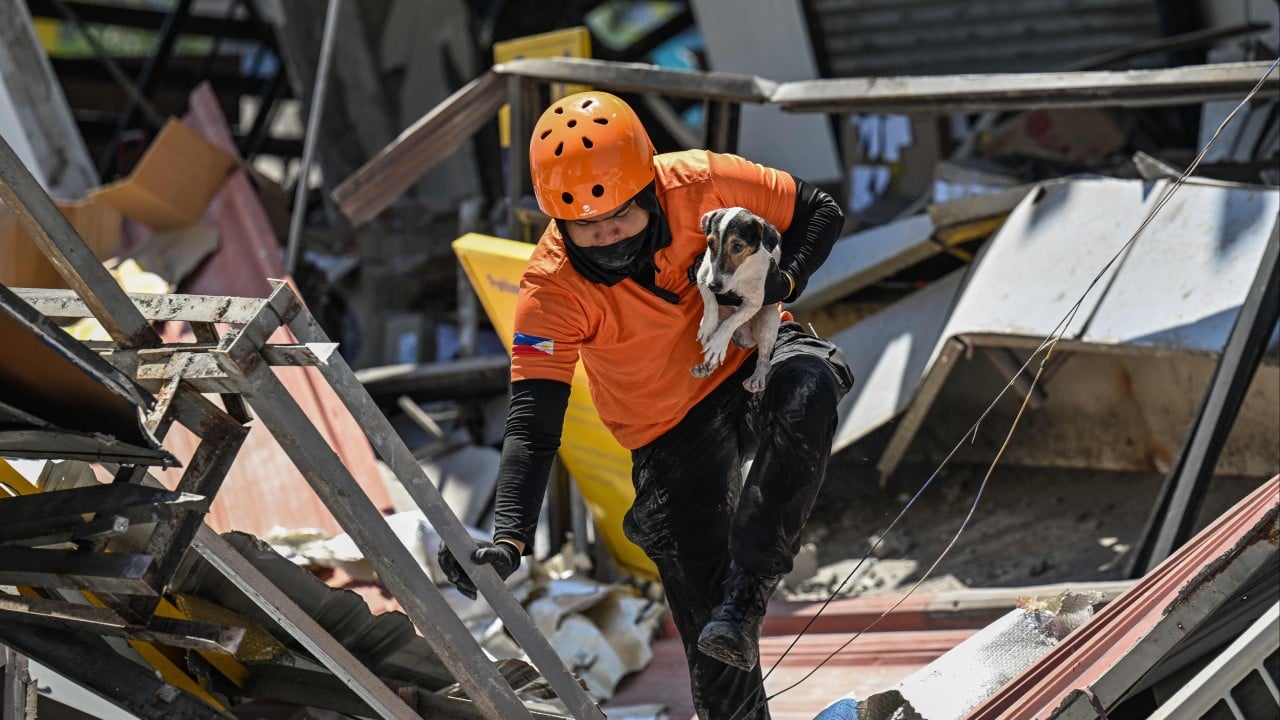
That is the reality for miles of Mindanao’s reef systems. Coral cannot survive prolonged exposure to the air and the direct, unforgiving rays of the sun. Within hours of the seabed’s uplift, the vibrant pinks, yellows, and blues of the reef began to bleach into a ghostly, brittle white. The organisms that call these structures home had nowhere to go. Millions of small fish, crabs, and marine invertebrates were trapped in shallow tide pools that quickly boiled in the midday sun, running out of oxygen before the next high tide could even attempt to reach them.
For the local fishermen, looking out at the exposed reef felt like watching their own savings accounts evaporate into the air. Coastal communities in the southern Philippines don't view the ocean as a scenic backdrop; it is their pantry, their employer, and their heritage. When the sea floor rose, it destroyed the delicate nurseries where food fish reproduce, triggering a massive marine die-off that will felt for miles down the coast and for years into the future.
When the Maps Become Useless
The devastation stretches far beyond the immediate loss of wildlife. The very geometry of the coast has changed, rendering old maps and generations of seafaring knowledge completely obsolete.
Consider a hypothetical fisherman named Jun. For thirty years, Jun has navigated the shallow channels of his home bay by memory. He knows exactly where the hidden reefs lie, where his wooden outrigger boat can safely pass at low tide, and where the deep pockets of water hold the best catch. He doesn't need GPS; he reads the color of the water and the shape of the distant hills.
But today, Jun’s boat sits stranded on dry land, fifty yards from the new shoreline. The channel he used for decades is gone, replaced by a wall of jagged, gray limestone that used to sit ten feet underwater. If he tries to launch his boat elsewhere, he risks tearing the hull open on newly formed shallows that didn’t exist a week ago. The underwater landmarks that guided his ancestors have been rewritten overnight.
This sudden shallowing of the coastal waters creates a dangerous domino effect. Larger commercial vessels can no longer approach local docks, disrupting supply chains and the transport of essential goods to isolated communities. The natural harbors that once protected small fishing boats from the region’s fierce tropical storms have been compromised. Without deep water to absorb the energy of incoming waves, the new coastline is highly vulnerable to erosion and unpredictable wave patterns.
The Invisible Stakes of a Changing Earth
It is easy to look at a disaster like this and see it as an isolated incident, a freak stroke of bad luck for a small corner of the world. That would be a mistake.
The tectonic activity in Mindanao is a stark reminder of the fragile, dynamic crust we live upon. The Philippines sits squarely on the Pacific Ring of Fire, a massive horseshoe-shaped string of fault lines and volcanoes that handles the vast majority of the world's seismic activity. What happened in Sarangani is a macro-level demonstration of geological forces that usually take millennia to manifest, compressed into a few minutes of violent shaking.
Science tells us that these uplift events are a natural part of how islands are formed over millions of years. Mountains are born this way. But knowing the geological history doesn't soften the blow for the communities forced to adapt to a brand-new landscape in a matter of days. The immediate crisis is ecological and economic, but the long-term challenge is psychological. How do you find stability when the very ground beneath your feet, and the ocean you rely on, can change its shape while you sleep?
The water is trying to find its new boundaries now. In some areas, the shifted currents are carving out new channels, dragging sediment across remaining healthy reefs and suffocating them in silt. In other places, mangroves—the vital coastal forests that protect the land from storm surges—find themselves entirely cut off from the daily tidal flush they need to survive.
Nature will eventually adapt. New corals will slowly take hold on the newly submerged edges of the risen seabed, and fish populations will find new places to feed. But that process takes decades, a luxury of time that the families standing on the dry shores of Mindanao simply do not have. They are left to navigate a world where the horizon looks exactly the same, but everything beneath it has changed.