A two-vehicle collision on a Tuesday night in Scarborough left one person dead and two others hospitalized, adding yet another grim statistic to a suburban transit network that local advocates argue is failing its residents. The crash, which occurred under conditions that warrant a much deeper examination of municipal street design and enforcement, highlights a persistent hazard across Toronto's easternmost district. When metal meets metal at high velocities on arterial roads, the immediate aftermath usually focuses on driver error or bad luck. But experienced reporters know that looking past the flashers reveals a structural crisis in how suburban corridors are engineered.
Scarborough's geography was designed for volume, not safety. Wide lanes, long stretches between controlled intersections, and high speed limits transform streets into de facto speedways after dark. This particular collision is not an isolated anomaly. It follows a predictable script written across decades of car-centric urban planning. When city councils prioritize vehicular throughput over pedestrian and motorist protection, fatal impacts become a mathematical certainty over time.
The Engineering Behind the Impact
Decades of civil engineering choices shape every mile of asphalt in this district. Wide arterial roads encourage speeds that exceed design safety thresholds. While official speed limits post 50 or 60 kilometers per hour, the physical geometry of the road communicates something entirely different to the operator behind the wheel. Wide lanes whisper permission to accelerate. Long, unobstructed sightlines invite drivers to push past safe braking tolerances.
When an intersection becomes a frequent site of severe trauma, traffic safety analysts look at turning phases, sightline obstructions, and signal timing. Left-hand turns across oncoming traffic remain one of the most hazardous maneuvers in modern driving. Without protected advance phases or concrete median barriers that prevent sudden angle changes, motorists misjudge gaps. The physical layout leaves zero margin for human error. We are building systems that demand perfection from tired, distracted humans operating multi-ton machinery, and punishing minor lapses with fatal force.
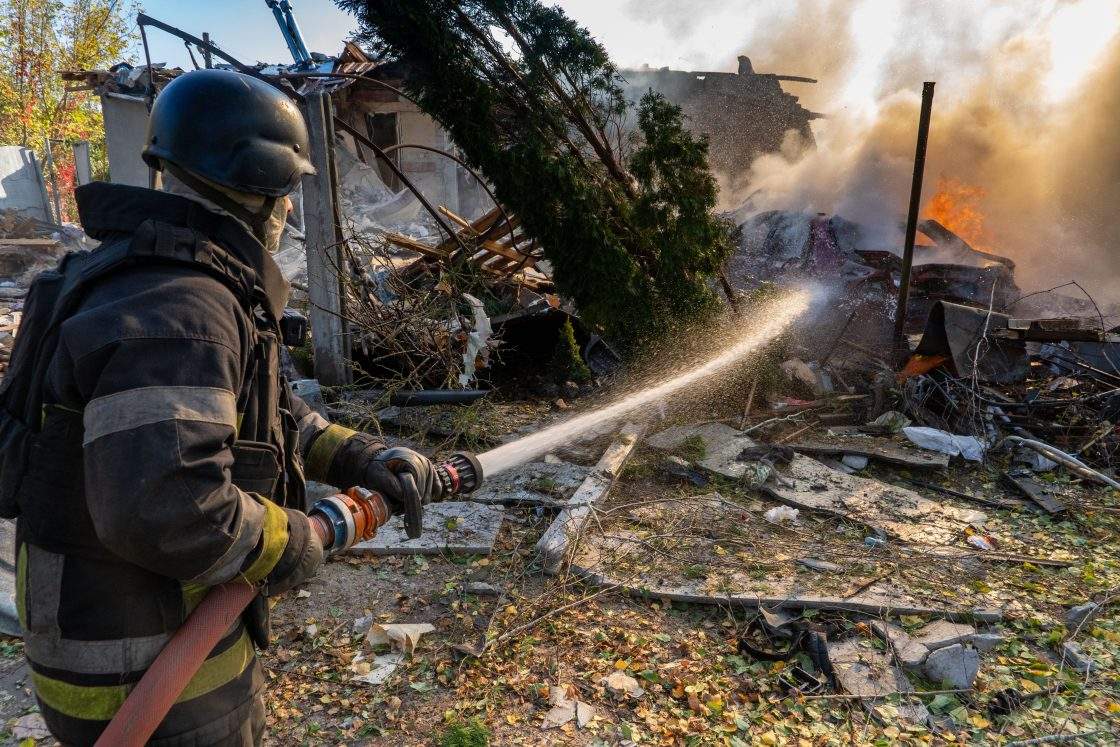
Emergency responders arrived to find heavy wreckage and critical injuries. Fire crews and paramedics worked against the clock to extricate trapped occupants, while police reconstruction teams mapped skid marks and debris fields. Yet, the routine nature of these press releases obscures the larger systemic failure. Every serious crash generates a flurry of news coverage, a brief call for caution, and then silence until the next siren wails.
Shifting the Burden of Accountability
Public safety messaging routinely defaults to personal responsibility. Drive carefully. Watch your speed. Buckle up. While individual choices matter, relying
Scarborough Car Crash Spotlight Exposes Road Safety Failings
news
A severe two-vehicle collision in Scarborough has left one person dead and two others hospitalized with serious injuries, reigniting urgent questions about municipal traffic safety management and reckless driving habits on major urban arterial corridors. Emergency responders arrived at the crash scene to find mangled metal, shattered glass, and an active investigation zone that shut down critical transit and vehicular arteries for hours. While official police reports continue to compile witness accounts and reconstruct the precise trajectory of the vehicles involved, local residents and urban mobility advocates note that this tragedy follows a grim pattern of preventable collisions across the eastern sector of the city.
The underlying systemic vulnerabilities driving these fatal crashes extend far beyond momentary driver distraction or simple operator error. Municipal planners have long grappled with the legacy of post-war suburban design principles that prioritized high-speed vehicular throughput over pedestrian and motorist safety. Wide multi-lane roads, expansive turning radii, and insufficient physical separation between opposing directions of traffic create an environment where minor miscalculations escalate rapidly into catastrophic outcomes. When high speeds meet intersections lacking advanced traffic control or protected left-turn phases, the margin for error narrows to zero.
Investigating the anatomy of an urban collision requires looking past the immediate aftermath and examining the compounding pressures of modern traffic volume. As urban populations expand and delivery fleets multiply, arterial roads face unprecedented congestion coupled with erratic driving behaviors born from impatience and fatigue. Speed enforcement cameras and automated ticketing have altered behavior near specific installations, yet they act as isolated band-aids on a bleeding infrastructure. Without comprehensive roadway redesigns that physically force lower speeds through narrowed lanes, raised crosswalks, and protected intersections, these corridors remain inherently hazardous.
Community groups and local safety councils have repeatedly petitioned municipal leaders for traffic calming measures along the affected stretch, pointing to historical collision data as proof of a chronic danger zone. City budgets, however, often relegate these safety upgrades to multi-year capital works programs, leaving vulnerable neighborhoods exposed to ongoing risks. Each fatal incident triggers a temporary surge in public outcry, followed by bureaucratic inertia until the next emergency vehicle sirens pierce the night.
Real accountability demands shifting the focus from individual blame to systemic prevention. Law enforcement agencies can issue fines and reconstruct crash scenes, but they cannot engineer safer pavement or redesign dangerous geometry. Urban planners must accelerate timelines for corridor safety audits, prioritizing infrastructure changes that protect human life over shaving thirty seconds off a morning commute. The human cost of delayed action is measured in hospital beds and flag-draped memorials, a heavy price for a society reluctant to slow down.