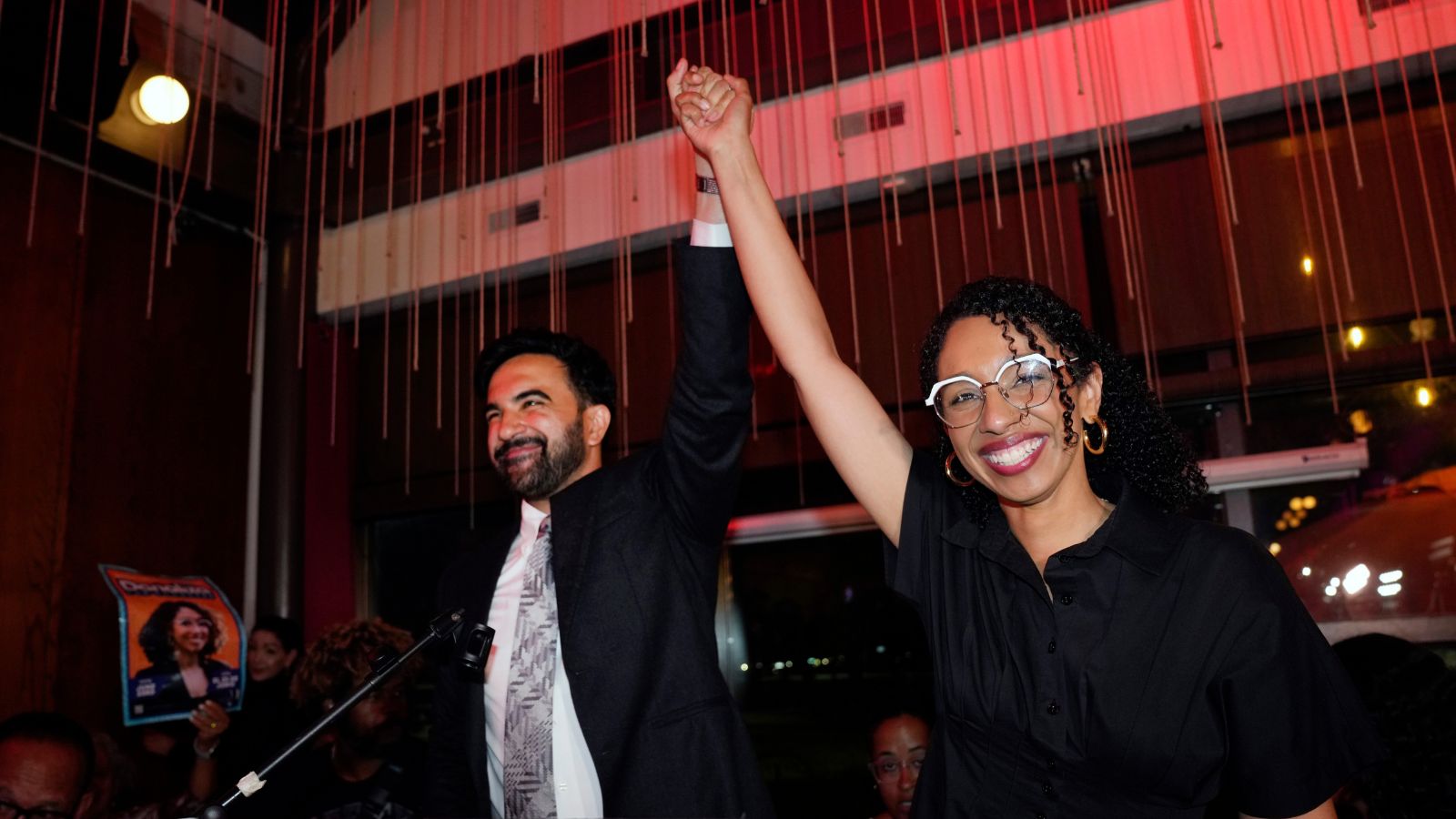
The air inside the Manhattan concert venue was thick with the scent of expensive gin, stale sweat, and the sharp, metallic tang of unearned confidence. It was election night in the heart of New York City, and the room was packed with the kind of young, glossy campaign workers who still believe that history is written by the people who look best in a tailored blazer.
At the center of it all stood Jack Schlossberg. Don't forget to check out our earlier coverage on this related article.
He is thirty-three, possesses a joint law and business degree from Harvard, and carries a jawline that has haunted American billboards and history textbooks for three generations. He is the grandson of John F. Kennedy. When he speaks, your brain automatically tries to superimpose a black-and-white filter over his face. For months, his campaign for Manhattan’s open congressional seat had lived on the screens of hundreds of thousands of voters, delivered through wacky, energetic, and calculated social media videos. He told anyone who would listen that his family wealth bought him independence from special interests. He insisted that people loved him for his ideas, not his bloodline.
Then the actual voters of the 12th District went into the tiny, curtained booths. If you want more about the context here, The New York Times offers an in-depth summary.
When the numbers flashed across the screens, a wave of deflated groans rippled through the room. The political novice, the digital prince, had been soundly beaten. He did not lose to a soaring orator or a populist revolutionary. He lost to Micah Lasher, a state Assembly member who openly, almost proudly, embraces the title of political nerd.
The immediate autopsy of the race will focus on the mechanics of a crowded primary, the endorsement of retiring veteran Congressman Jerry Nadler, or the bizarre multi-million-dollar proxy war fought in the background by competing artificial intelligence factions. But the real problem lies elsewhere. The defeat of the last great political dynasty in the concrete heart of New York signals something much deeper than a bad night for a famous family.
It reveals that the American electorate has developed a profound, allergic reaction to the ghost candidate.
We have all encountered this ghost. It is the political entity built entirely out of aesthetics, legacy, and projection. For decades, American politics operated on a foundational myth: if you could channel the ghost of a glorious past, you could bypass the grueling, unglamorous work of local governance. A famous name was a magic key. It unlocked donor Rolodexes, guaranteed cable news segments, and transformed a sparse resume into a promise of destiny.
But consider what happens next when that magic key meets a modern city in crisis.
Manhattan is not an abstract concept; it is an unforgiving ecosystem of skyrocketing rents, crumbling transit infrastructure, and families suffocating under the quiet weight of the cost of living. When a renter is trying to figure out how to survive a 10% lease hike, the romantic poetry of New Frontier idealism feels less like an inspiration and more like an insult. Schlossberg campaigned on the promise of being "different" and "inspiring," but inspiration is a luxury good when you are drowning in daily expenses.
The people who live in the brick tenements of the Upper East Side and the high-rises of Midtown did not look at Schlossberg and see a savior. They looked at his brief stint at the State Department and his political opinion pieces for fashion magazines, and they saw a tourist.
They chose the nerd instead.
Lasher spent years navigating the labyrinthine, frustrating corridors of Albany. He knows how legislation actually moves through a committee room. He understands the unsexy, grinding mechanics of public policy. In an era defined by institutional decay and profound cynicism, fluency in the boring details of governance has become a radical form of authenticity. Voters no longer want a symbol to worship; they want a mechanic to fix the engine.
There is a distinct vulnerability in admitting this shift. For many who grew up under the long shadow of the twentieth century, the total dismantling of the Kennedy mystique feels disorienting, even tragic. There was a comfort in believing that some families possessed a genetic shorthand for public service, a supernatural ability to guide the republic through the dark. To watch that mystique evaporate on a Tuesday night in June, swallowed whole by an establishment machine and an electorate that simply didn't care about Camelot, is a cold awakening.
Schlossberg took the stage early, before the final networks called the race, flanked by his young, bewildered staff. His concession speech was frank, stripped of the usual theatrical optimism. He warned that unless the party learned from the signals being sent across the country, it would keep on losing.
He was right, though perhaps not in the way he intended. The signal sent from Manhattan was not a rejection of youth or a demand for flashier messaging. It was an eviction notice for the ghosts. The era of the aesthetic savior is over, buried under the weight of real-world spreadsheets and the quiet, stubborn demand for competence over charisma.
As the lights dim in the venue and the cleaning crews begin to sweep up the discarded campaign buttons, the silence is deafening. The crown has not been passed to a new generation; it has been traded for a clipboard.