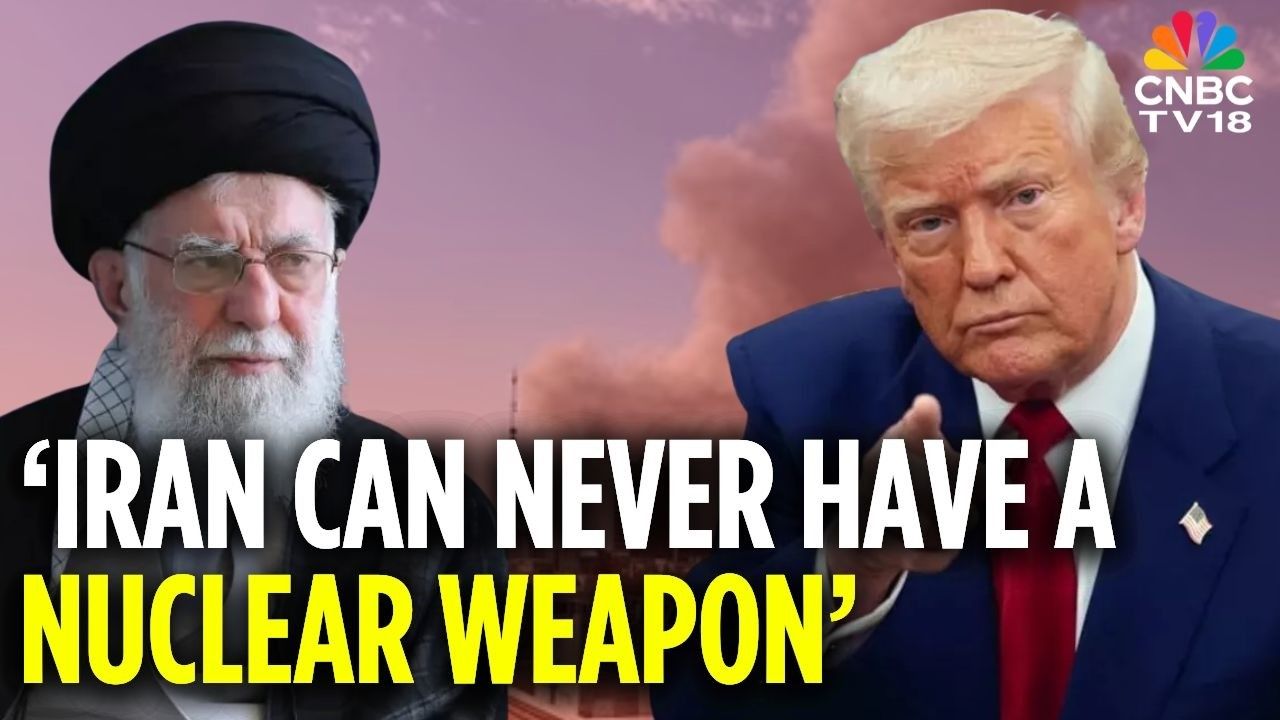
The global diplomatic corps is currently drowning in a sea of "cautious optimism" and "strategic restraint." Every major news outlet is feeding you the same tired narrative: that the death of Iran’s Supreme Leader Ali Khamenei, following targeted strikes, represents a "turning point" or a "new chapter" for the region.
They are wrong. They are fundamentally misreading the mechanics of power in Tehran.
The belief that the removal of a single octogenarian cleric—even one as influential as Khamenei—collapses the "Axis of Resistance" or signals a pivot toward Western-style liberalism is a fantasy born of lazy geopolitical analysis. If you think this is the end of the Islamic Republic's regional hegemony, you haven't been paying attention to how institutionalized the IRGC (Islamic Revolutionary Guard Corps) has become.
The Succession Myth
Most analysts are obsessed with who sits in the big chair. They argue about Mojtaba Khamenei or Ebrahim Raisi’s ghost (had he lived) or some "moderate" dark horse. This focus on the individual is a distraction.
The Office of the Supreme Leader is no longer just a theological position. It is the CEO role of a massive, multi-billion-dollar military-industrial conglomerate. The IRGC doesn't just take orders from the Supreme Leader; the IRGC is the Supreme Leader's power base. They own the ports. They own the telecommunications. They own the shadow banking networks that bypass sanctions.
Whoever succeeds Khamenei will be a creature of the Guard. The idea that a "cautious" reaction from world leaders will somehow encourage a reformer to seize the mantle is delusional. The system is designed to prune reformers before they ever reach the Assembly of Experts.
Why "Restraint" is a Strategic Failure
Washington and Brussels are calling for "stability." They fear a power vacuum. This fear is exactly what the Iranian hardliners count on.
When the West reacts with "caution" to the death of a dictator, it signals to the incoming regime that the status quo is still for sale. By signaling that we don't want to "escalate," we are effectively guaranteeing that the IRGC can transition power with zero internal friction.
True disruption doesn't come from waiting for the dust to settle. It comes from applying maximum friction during the transition. If the goal were actually to change Iranian behavior, the strategy would be to flood the zone with support for internal dissenters the moment the heart stops beating, not to issue dry statements about "monitoring the situation."
The Proxy Paradox
The prevailing wisdom says that without Khamenei, Hezbollah, the Houthis, and various Iraqi militias will lose their "north star."
This ignores the reality of decentralized warfare. These groups are no longer just "proxies." They are franchised stakeholders. Hezbollah has its own economy. The Houthis have their own domestic political imperatives. They don't need a daily phone call from Tehran to know how to fire a drone.
The "death of the leader" trope works in movies. In reality, the bureaucracy of militancy is remarkably resilient. If anything, a period of perceived weakness in Tehran will force these groups to act more aggressively to prove they are still viable. Expecting a de-escalation because a funeral is happening in Tehran is a misunderstanding of how regional "credibility" is maintained in the Levant.
The Economic Mirage
I’ve watched analysts suggest that a new leader might trade the nuclear program for sanctions relief to "stabilize" the economy.
This assumes the regime views the economy the way a Western democracy does. The Iranian leadership doesn't care about the GDP per capita of the average citizen in Mashhad. They care about the cash flow of the Bonyads (charitable foundations that function as slush funds).
As long as they can sell oil to shadow buyers and move money through regional hubs, the "economic pressure" that the West thinks will force a pivot is merely a line item on a ledger. The regime thrives on a war economy. Peace—actual, integrated, globalized peace—is a threat to the IRGC's monopoly on domestic markets. They have no incentive to "reform" themselves out of a job.
The False Hope of "World Leader Reactions"
Watch the headlines. "World Leaders React." What does that actually mean? It means a series of canned statements vetted by 15 different sub-committees to ensure no one is offended.
- China will call for "sovereignty" (translation: keep the oil flowing).
- Russia will call for "continuity" (translation: we need those drones).
- The EU will call for "dialogue" (translation: we have no plan).
These reactions are noise. They provide zero insight into the actual power shift happening inside the underground bunkers of the Supreme National Security Council. If you are basing your investment strategy or your geopolitical outlook on what a spokesperson says at a press briefing, you are already behind the curve.
The Reality of the "Strikes"
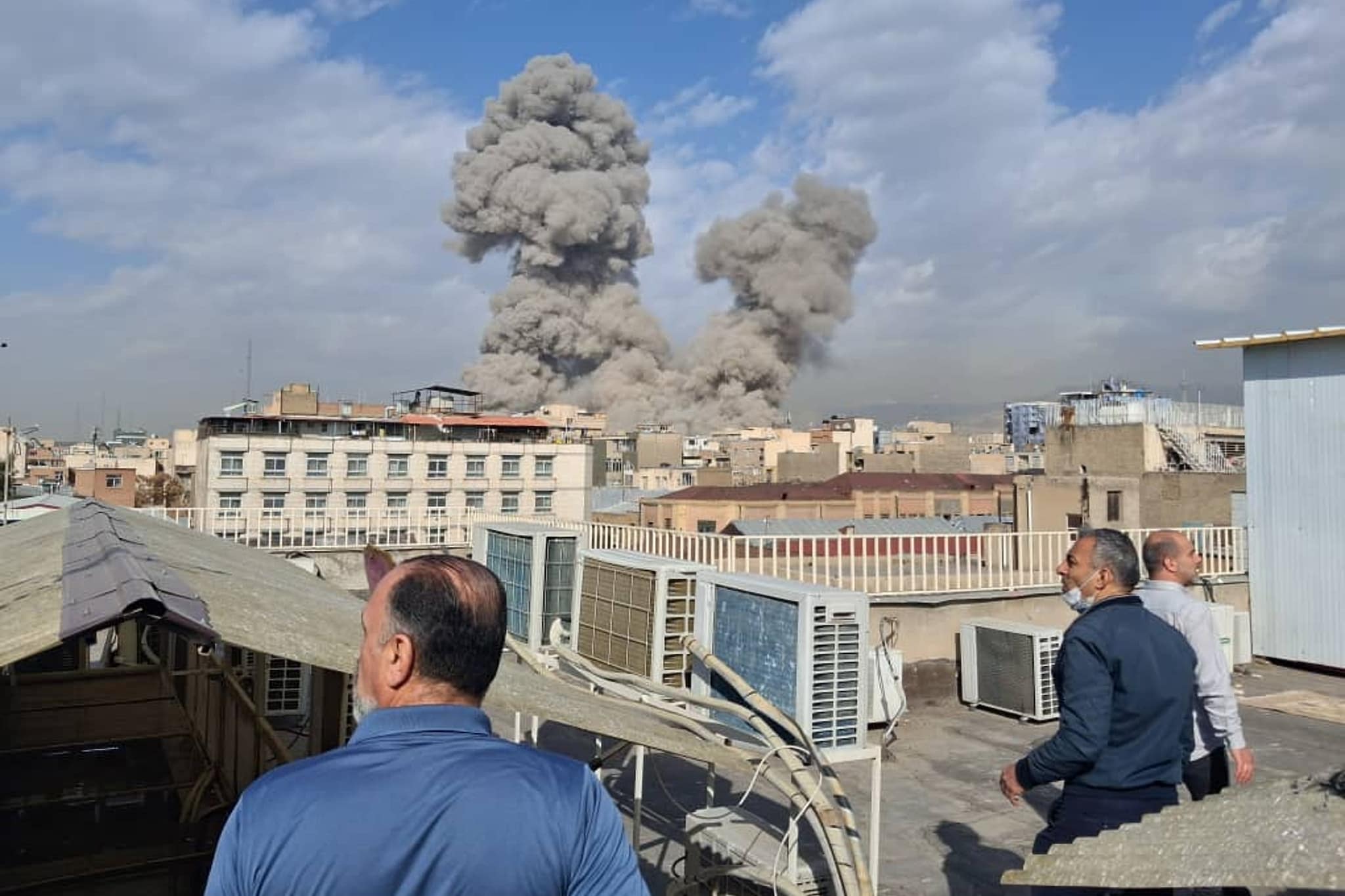
The strikes that led to this moment weren't just about killing a man; they were a stress test for the regime's air defenses and internal security. The fact that they succeeded tells us more about the rot inside the Iranian intelligence apparatus than the policy of the nations that carried them out.
The real story isn't the death. It’s the infiltration.
If the Supreme Leader can be reached, no one in the inner circle is safe. This leads to a purge, not a liberalization. When a revolutionary regime feels vulnerable, it doesn't open its doors; it starts looking for traitors. We are about to see a period of intense internal repression that will make the 2022 protests look like a rehearsal.
Stop Asking "What's Next?" and Start Asking "Who Gains?"
The question "Will Iran change?" is the wrong question. Of course it will change. The question is: who captures the value of that change?
- The IRGC gains by consolidating control over the "deep state" without an aging cleric's personal whims.
- Hardline Clerics gain by using the "martyrdom" to justify further crackdowns.
- Regional Adversaries gain a temporary window of chaos, but lose a predictable enemy.
The loser, as always, is the observer who thinks a change in personnel equals a change in philosophy. The Islamic Republic is a machine designed to survive the death of its components.
You’ve been told this is a "new era." It’s actually just the same era with a more aggressive, younger, and more paranoid management team.
The strikes didn't break the wheel. They just spun it faster.
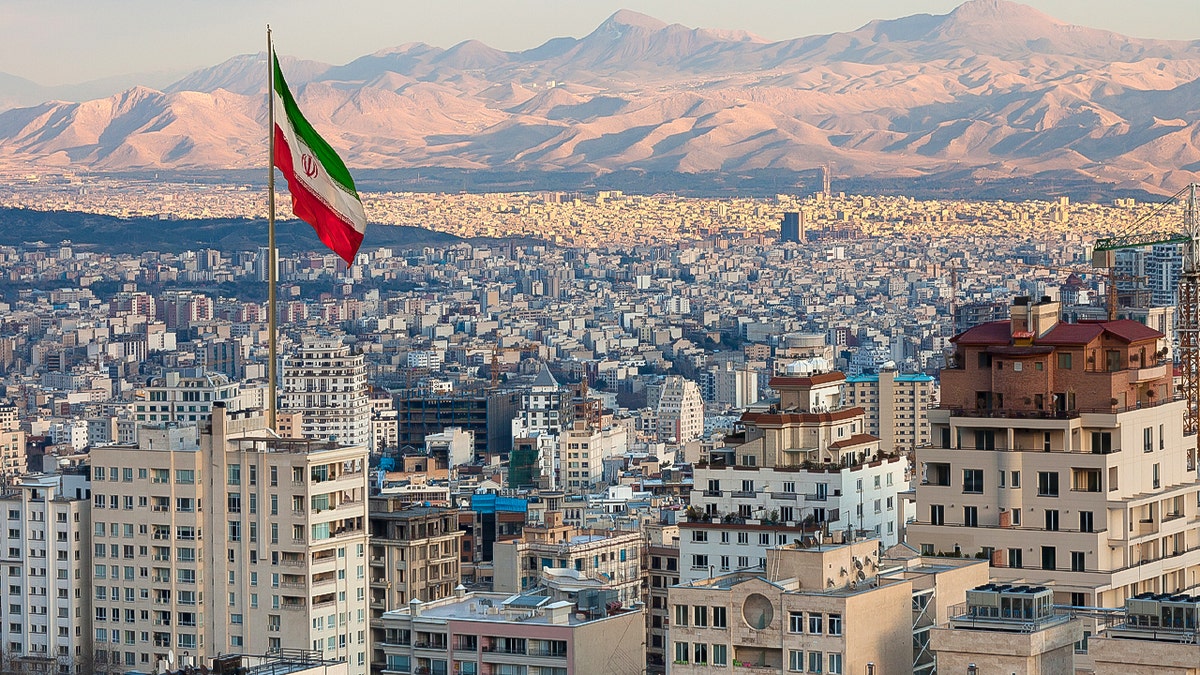
If you're waiting for a "moderate" to emerge from the smoke of the Tehran skyline, you're going to be waiting a very long time. The system isn't broken; it's recalibrating. And it's not recalibrating in favor of the West.
Prepare for a regime that is less predictable, more militarized, and utterly uninterested in the "caution" of world leaders.