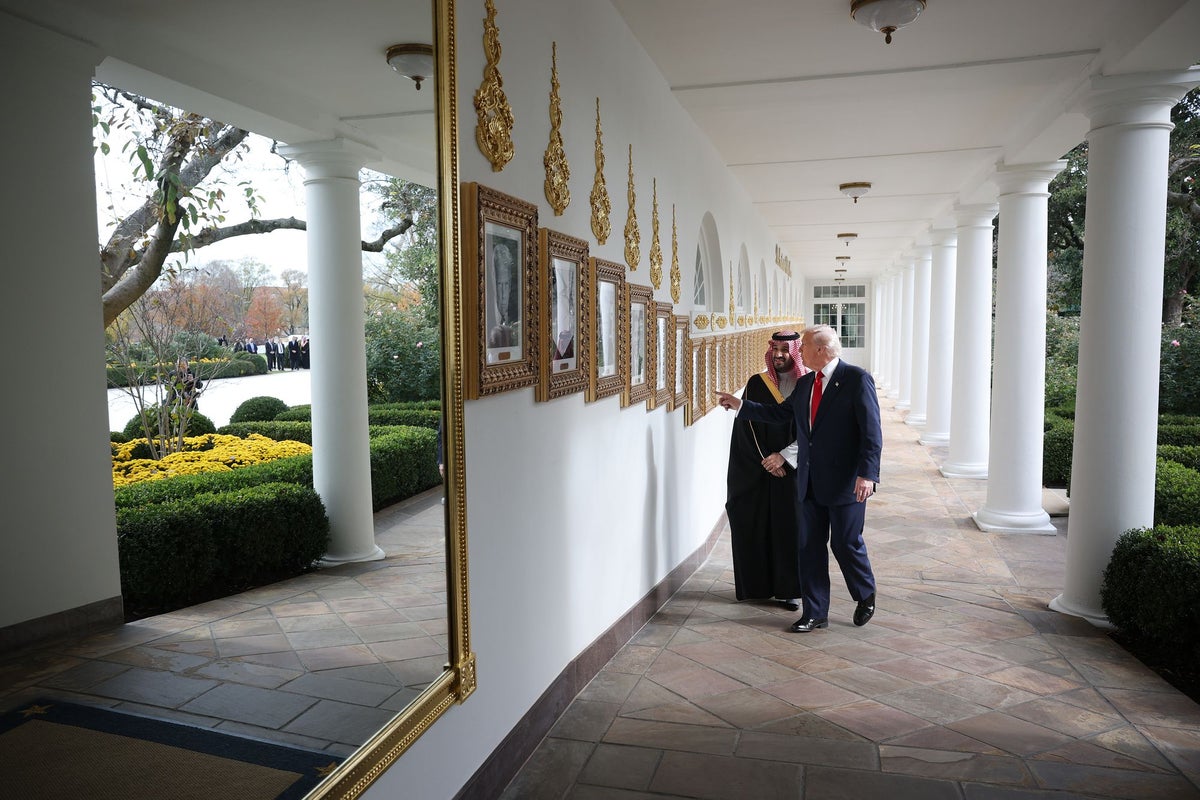
Design critics are pearl-clutching over a renovation they don’t understand. They see a black floor on the walkway to the Oval Office and scream "dark," "moody," or "unprecedented." They treat the White House like a museum that needs to be preserved in amber. They are wrong.
The media focus on "aesthetic shifts" misses the point of architectural psychology. This isn’t about a fresh coat of paint or a Saturday morning trip to a flooring warehouse. It is about the deliberate manipulation of space to command authority. Most people view interior design as a way to make guests feel comfortable. In the highest levels of global power, comfort is a liability.
The Myth of the Neutral Workspace
The "lazy consensus" among architectural historians is that the White House should remain a testament to Federal-style restraint—creams, whites, and light woods. This perspective assumes that the building is a neutral backdrop for democracy.
I have seen high-stakes boardrooms across the globe attempt this "neutrality," and it always fails. A light-filled, airy corridor invites casual conversation. It suggests a lack of weight. When you darken the ground beneath a visitor's feet, you fundamentally change their gait and their posture.
Gravity as a Management Tool
There is a concept in high-end retail and luxury hospitality known as "grounding." When a floor is darker than the walls and ceiling, it creates a psychological sense of gravity. It pulls the focus downward, forcing an instinctual awareness of where you stand.
By replacing the traditional flooring with black, the transition from the West Wing to the Oval Office stops being a stroll and starts being a march. The high contrast between the white columns and the black floor creates a strobe-like effect of authority. You aren't just walking to a meeting; you are entering a vacuum where only one person holds the air.
Why the Traditionalists are Terrified
The outcry over "ruining" the history of the building is a smoke screen for a deeper fear: the rejection of the "approachable" executive. For decades, the trend in executive leadership has been toward transparency—glass walls, open floor plans, and bright, "honest" colors.
That trend is a failure. Open floor plans have been shown to decrease productive face-to-face interaction by nearly 70%. Transparency is often just a mask for a lack of direction. By leaning into a darker, more imposing aesthetic, the administration is signaling a return to the "Imperial Presidency" style of management. It is a visual rejection of the idea that the Oval Office is just another cubicle.
The Maintenance Fallacy
Critics love to point out that black flooring is a nightmare to maintain. "Every scuff will show," they cry. "Every speck of dust will be visible."
Exactly.
In a space where image is everything, the requirement for perfection is the point. High-maintenance environments demand high-performance staff. If a floor can’t have a single scuff mark, the message to the staff is clear: if we can control the dust, we can control the narrative. It’s a subtle, constant reminder of the standard of discipline required in the building.
The Science of the "Power Walk"
Consider the physics of light reflection. A light-colored floor bounces ambient light back up, softening the shadows on a person's face. It makes everyone look a little more tired, a little more human.
A black floor absorbs light.
When a leader walks down a dark corridor, the lighting is controlled entirely from above. This creates dramatic, high-contrast shadows. It’s the cinematography of power. It makes the individual look sharper, more defined, and more imposing. This isn’t a "makeover." It’s a stage set designed for the era of high-definition digital consumption.
Breaking the Museum Mindset
We have to stop treating the White House like a static relic. The building has been gutted, burned, rebuilt, and expanded dozens of times. Truman didn’t just paint the walls; he literally held up the exterior shell with steel beams while scooping out the inside.
The "tradition" people are defending is usually just the fashion of the 1990s or the 2000s disguised as "timelessness." There is nothing timeless about a beige carpet. It’s just safe. And safety is the last thing a world leader should be projecting.
The Risk of the Aesthetic Vacuum
Is there a downside? Of course. When you create an environment this curated and this stark, any deviation looks like a disaster. A single misplaced chair or a frayed edge becomes a glaring error. This style of design leaves no room for the "human" element of governance. It turns the West Wing into a machine.
But for an administration that thrives on the image of strength and the projection of absolute certainty, the machine is the goal.
Stop Asking if it’s Pretty
The question "Do you like the new floor?" is the wrong question. It doesn’t matter if you like it. It doesn’t matter if it would look good in your suburban living room.
The only question that matters is: "Does this floor make the person walking on it feel smaller than the person behind the desk?"
The answer is an undeniable yes.
While the critics argue about color palettes and historical "vibes," the real work of psychological dominance is being laid down plank by plank. The black floor isn't a design choice. It's a tactical advantage.
Stop looking at the decor and start looking at the intent. The era of the "soft" White House is over, and the floor is just the first thing to turn.
Burn the mood boards. Buy the black paint.