The reprieve is over. For the past several years, a quiet provision in the American Rescue Plan Act shielded student loan borrowers from a massive financial blow. It ensured that any federal student debt wiped away by the government was not treated as taxable income at the federal level. But that shield has a fast-approaching expiration date. Unless Congress acts, the "tax holiday" on discharged debt vanishes after December 31, 2025. For the millions of borrowers enrolled in Income-Driven Repayment (IDR) plans or seeking one-time relief, this shift transforms a moment of celebration into a potential fiscal catastrophe.
The math is brutal. When the IRS treats forgiven debt as income, a $50,000 balance erasure could suddenly manifest as a $12,000 or $15,000 tax bill due the following April. This is not a hypothetical concern for the future; it is a reality that requires immediate liquidity planning today.
The Mechanics of the Tax Trap
To understand why this is happening, you have to look at the Internal Revenue Code. Under normal circumstances, the IRS views "canceled debt" as a financial gain. If you owe a bank money and they let you off the hook, the government argues you are now wealthier by that exact amount. You didn't pay the money out, so you effectively "earned" it.
Federal student loans were the primary exception to this rule during the pandemic era. Lawmakers recognized that hit-or-miss forgiveness programs would be useless if they merely traded one form of debt for another. However, that logic was temporary. Starting in 2026, the standard rules apply again.
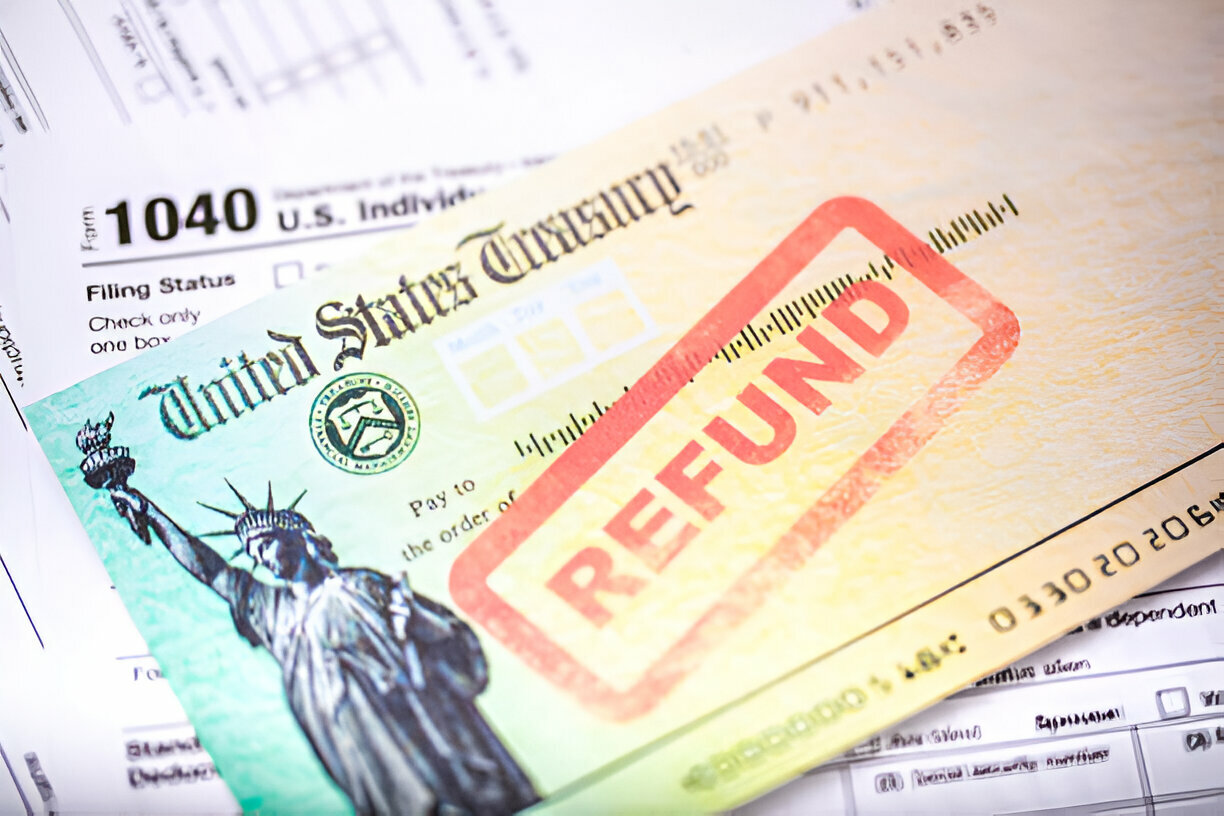
If you are on an IDR plan, you pay a percentage of your income for 20 or 25 years. At the end of that term, the remaining balance is forgiven. Under the new (old) rules, that "forgiveness" arrives in the form of a Form 1099-C. The IRS receives a copy. They then expect you to list that $30,000, $60,000, or $100,000 as "other income" on your 1040. This can easily push a middle-class family into a much higher tax bracket, triggering a chain reaction of lost credits and increased liabilities.
Why the System Is Designed to Fail Borrowers
The tragedy of the student loan system is its complexity. Many borrowers believe that because they are "doing the right thing" by staying in repayment, the government will protect them at the finish line. That is a dangerous assumption. The Department of Education and the Department of the Treasury do not always communicate. One department handles your education debt; the other handles your tax liability. They are not required to ensure your "relief" is actually affordable.
There is also the issue of the "tax cliff." Most people do not have five figures sitting in a savings account. When the IRS demands payment for forgiven debt, they don't care if your bank account is empty. They want their cut. This creates a perverse incentive where some borrowers might actually be better off not seeking forgiveness if they cannot afford the resulting tax bill.
The Insolvency Exception
There is one narrow escape hatch, but it is a bureaucratic nightmare. The IRS allows for an "insolvency" exclusion. If your total liabilities exceed your total assets at the time the debt is canceled, you might not have to pay taxes on the forgiven amount.
This requires filing Form 982. To use it, you must prove that every single thing you own—your car, your furniture, your retirement accounts, your home equity—is worth less than the total amount you owe to all creditors. It is a "broke enough to be free" test. For many working professionals who have built up modest savings or bought a home while paying off their loans, they will be "too wealthy" to qualify for insolvency but "too poor" to write a $20,000 check to the IRS.
State Level Complications
Even while the federal tax holiday is still active, some states have already been taxing loan forgiveness. States like Indiana, Mississippi, North Carolina, and Wisconsin have historically treated canceled student debt as taxable income. This has created a fractured reality where your physical address determines your financial health.
Moving forward, the coordination between state and federal tax codes will be the primary driver of middle-class wealth erosion. If you live in a high-tax state and receive federal forgiveness in 2026, you could be looking at a combined effective tax rate on that "income" that exceeds 30%.
The Strategy for Survival
Waiting for a legislative miracle is a losing strategy. Congress is notoriously slow, and student debt has become a toxic political football. If you are within five years of your IDR forgiveness date, you need to begin a "tax sinking fund" immediately.
- Project the Balance: Look at your current loan balance and the interest rate. Estimate what the total will be at the 20- or 25-year mark. It will likely be much higher than it is today due to the way interest accrues on these plans.
- Calculate the Tax Hit: Assume a 22% or 24% federal tax rate plus your state’s rate. Apply this to the projected forgiven amount.
- Liquidity is King: Instead of making extra payments toward your student loans—which does nothing to lower your monthly obligation on an IDR plan—put that extra cash into a high-yield savings account or a brokerage account. You are essentially "self-insuring" against the IRS.
The goal is to have the cash ready when the 1099-C arrives. If you have the money, you pay the bill and move on with your life. If you don't, the IRS can garnish your wages, place a lien on your property, or seize your future tax refunds. Ironically, these are the same collection tactics used by student loan servicers—the very entities you thought you were escaping.
The Counter-Argument for Public Service
For those in the Public Service Loan Forgiveness (PSLF) program, the news is better. PSLF is currently one of the only programs where the forgiveness is explicitly non-taxable under permanent federal law. This creates a massive divide in the borrower population.
Teachers, firefighters, and government employees get a clean break. Private sector employees—the engineers, the freelance designers, the retail managers—get a bill. This disparity is rarely discussed in the halls of power, but it represents a fundamental unfairness in how the government treats different types of labor.
The Brutal Reality of "Forgiveness"
We need to stop using the word "forgiveness." It implies a clean slate and a benevolent act. In reality, for most people, this is a debt restructuring. You are trading a long-term, low-interest debt to the Department of Education for a short-term, high-intensity debt to the IRS.
The IRS is a much more efficient and aggressive debt collector than any student loan servicer. They do not offer "forbearance" in the way you are used to. While you can set up a payment plan with the IRS, the interest and penalties for failing to pay a tax liability can be crushing.
If your loans are forgiven in 2026 and you haven't prepared, you will not be celebrating. You will be panicking. The only way to win is to treat your future "forgiveness" as a looming expense rather than a windfall. Start your tax fund now, or prepare to spend the next decade paying the IRS for the privilege of no longer owing the bank.
Check your current loan discharge date on the Federal Student Aid website and calculate your estimated tax liability based on current brackets to determine your monthly savings target.

+-+Ai+Lean+Blog.png)