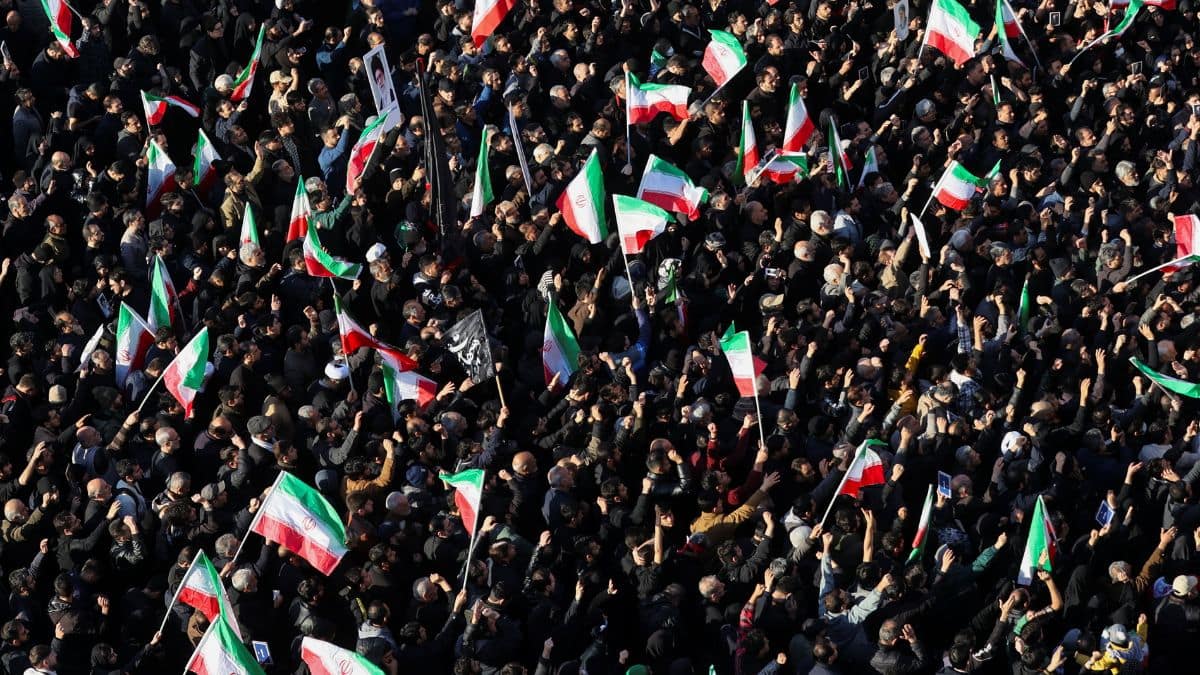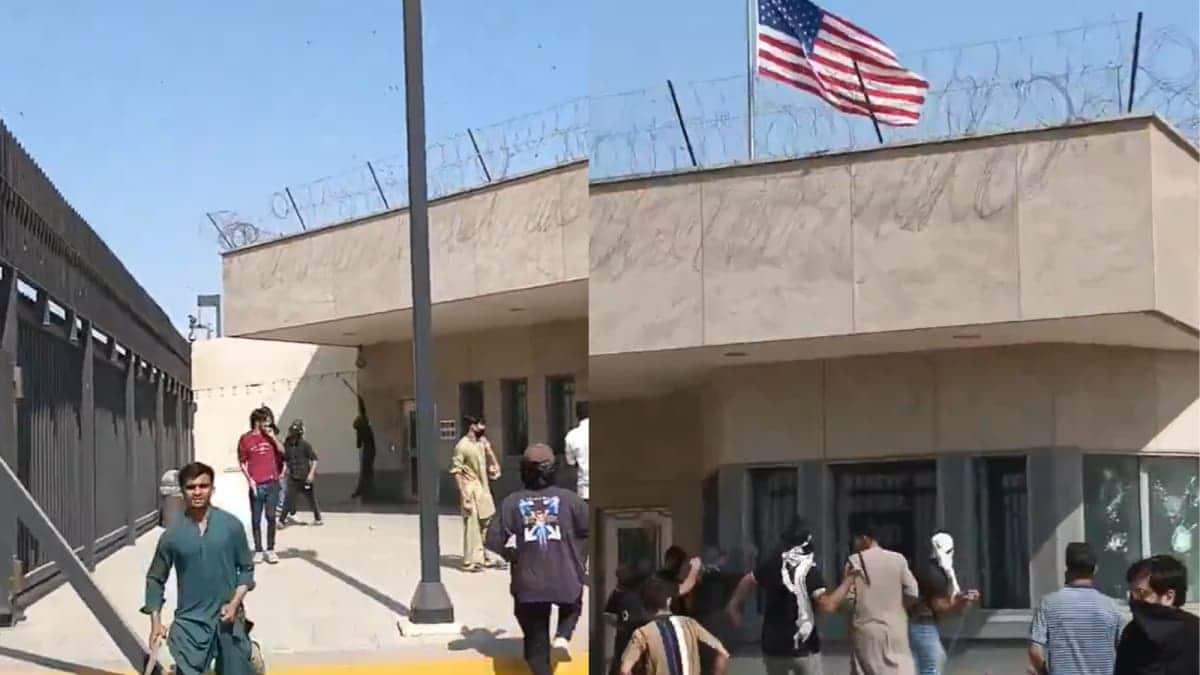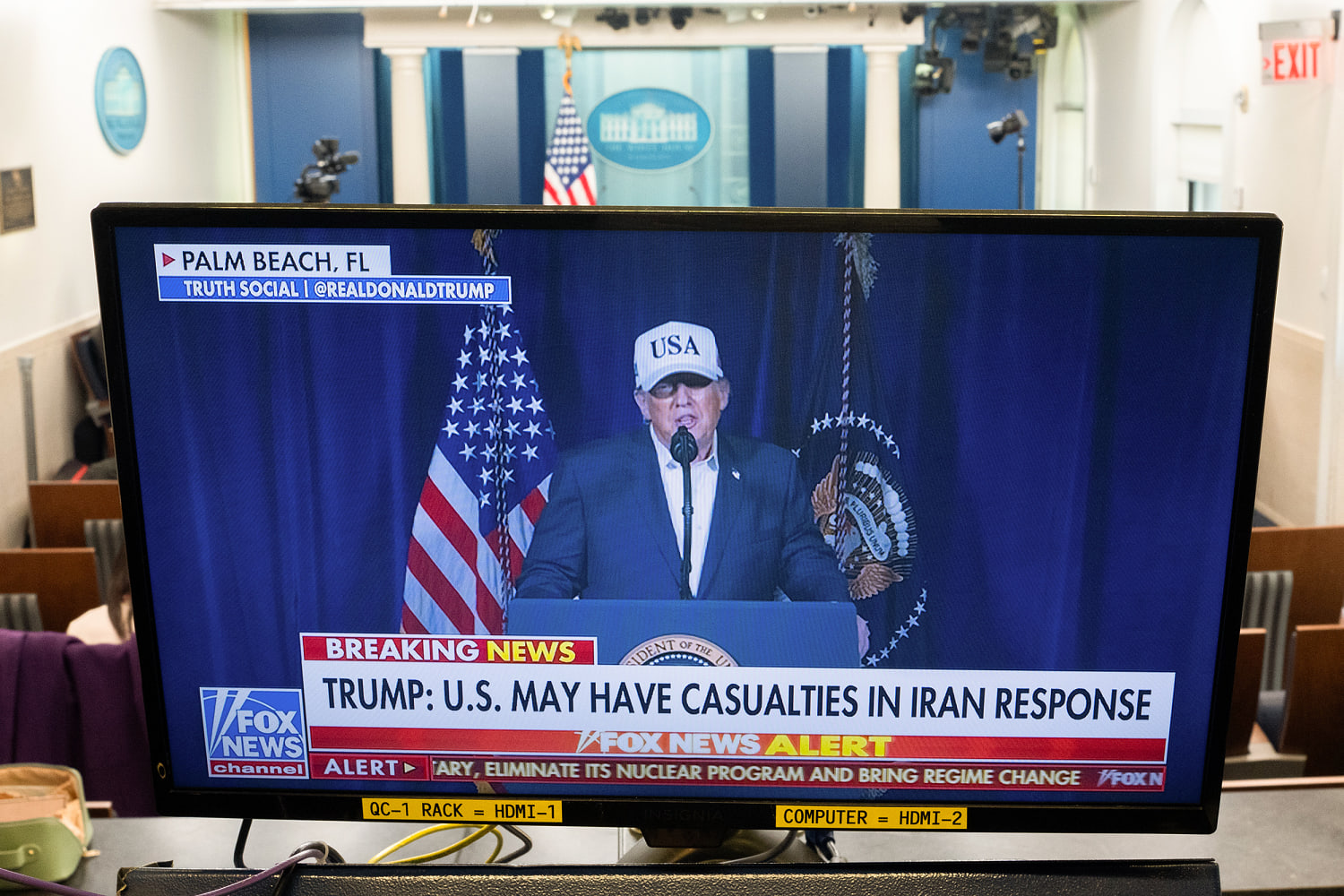
The shadow war is over, and the high-stakes gamble of "maximum pressure" has transitioned into a hot, transformative conflict that has physically erased the old guard of the Islamic Republic. On March 1, 2026, President Donald Trump confirmed that the U.S.-Israeli military campaign, dubbed Operation Epic Fury, has successfully eliminated "a large amount" of Iran's top leadership. Speaking from the White House, Trump claimed that 48 senior officials—including Supreme Leader Ayatollah Ali Khamenei—were killed in a series of precision strikes that began less than 48 hours ago. This is not just a tactical victory; it is a fundamental dismantling of the clerical power structure that has governed Iran since 1979.
The operation has moved with a speed that caught both the Iranian regime and global observers off guard. While the administration describes the progress as "ahead of schedule," the reality on the ground in Tehran suggests a state in total shock. For decades, the West operated under the assumption that the Supreme Leader was untouchable, protected by layers of security and the threat of regional escalation. That deterrent vanished in a single afternoon of B-2 stealth bomber sorties and joint intelligence operations.
Precision Over Proximity
The mechanics of the strike reveal a level of intelligence penetration that likely took years to cultivate. Central to the success of Operation Epic Fury was the tracking of the Supreme Leader’s movements by the CIA, a feat of persistent surveillance that was shared in real-time with Israeli strike teams.
Unlike previous skirmishes that targeted peripheral assets or secondary proxies, this campaign went directly for the "head of the snake." The strikes hit the heart of Tehran, targeting the offices and bunkers where the inner circle of the Revolutionary Guard (IRGC) and the religious elite believed they were safe. Among the confirmed dead are Gen. Mohammad Pakpour, commander of the IRGC, and Defense Minister Aziz Nasirzadeh.
The use of 2,000-pound precision bombs on hardened targets indicates that the U.S. was not merely looking to send a message, but to ensure that the command-and-control capabilities of the regime were physically pulverized. By targeting the leadership during a moment of high-level coordination, the coalition effectively "decapitated" the decision-making apparatus, leaving the lower tiers of the military without clear orders.
The Constitutional Vacuum
With Khamenei dead and the "old guard" decimated, Iran has been forced into an emergency constitutional maneuver. An interim leadership council has been formed, consisting of:
- Masoud Pezeshkian: The President, now serving as a figurehead in a crumbling structure.
- Gholam-Hossein Mohseni-Ejei: The Chief Justice of the Supreme Court.
- Ayatollah Alireza Arafi: A member of the Guardian Council.
This trio is tasked with holding the reins until the Assembly of Experts can elect a new Supreme Leader. However, the Assembly itself is in disarray, with many of its key members either in hiding or among the casualties. The "three-member council" is an attempt to project stability, but it masks a deep-seated panic within the remaining clerical establishment.
The Trump Doctrine of Strategic Submission
Critics are already questioning the legality and long-term viability of this sudden escalation. The administration bypassed a looming War Powers vote in Congress, a move that has sparked fury among domestic opponents who argue the President is dragging the nation into a "forever war" despite his "America First" campaign promises.
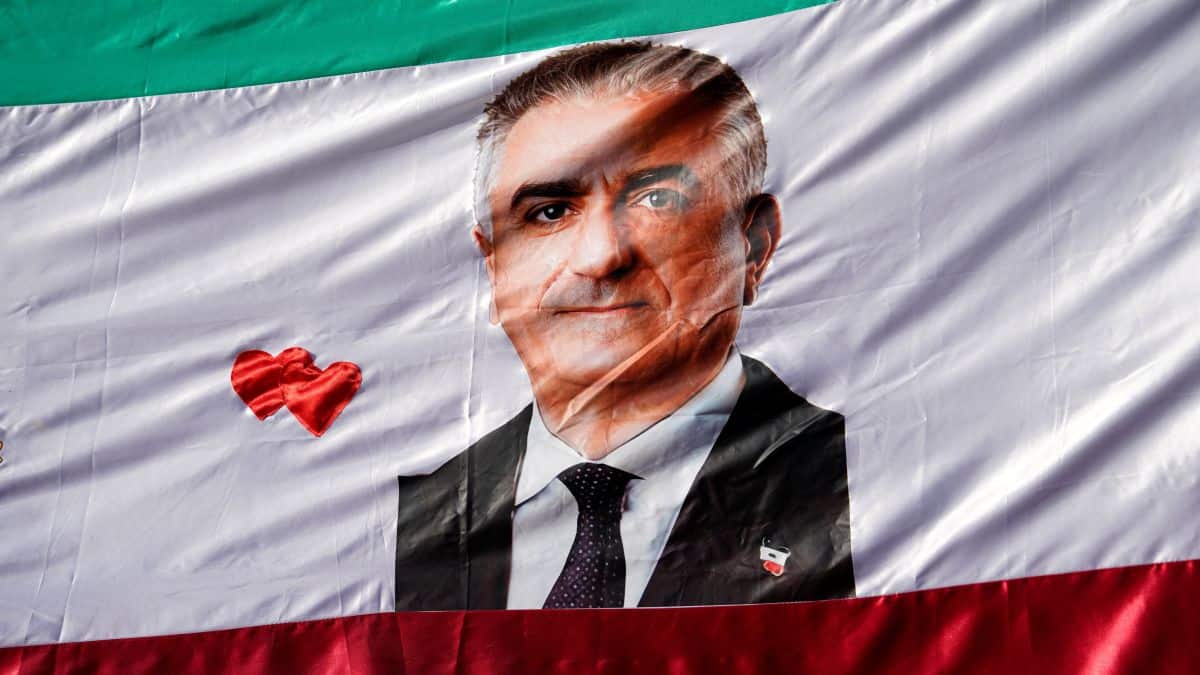
Trump’s gamble rests on a singular premise: that the Iranian people, once the "fear of the IRGC" is removed, will rise up and take back their country. In a video released on Truth Social, the President urged the Iranian public to "seize control of your destiny," offering a vision of a post-clerical Iran that could "be great again."
This is a high-risk strategy of strategic submission. By destroying the leadership, the U.S. is betting that the regime's proxies—Hezbollah, the Houthis, and various Iraqi militias—will be paralyzed by the loss of their central financier and ideological anchor. Early reports suggest some of these groups are indeed in a state of "strategic pause," waiting to see if a central authority re-emerges in Tehran.
The Cost of Entry
War is never bloodless, and the cost for the United States became tangible on Sunday. The Pentagon confirmed that three U.S. service members were killed and five others seriously wounded during the initial waves of the operation. These are the first American casualties of the conflict, and they serve as a grim reminder that even with total air superiority, the risk of retaliation remains high.
The Iranian Navy has also taken a devastating hit. Reports indicate that nine Iranian warships were sunk at their docks in the Gulf of Oman. The message to the remaining IRGC naval commanders was blunt: lay down your arms or face "certain death."
A Negotiated Surrender?
Surprisingly, amidst the smoke of the bombardments, a window for diplomacy has reportedly opened. A senior White House official indicated that the "new potential leadership" in Tehran has already signaled a willingness to talk. Trump himself told reporters he has agreed to speak with them, though he noted with his trademark bluntness that "most of the people we were dealing with are gone."
This potential for talks raises a critical question. Is the interim council looking for a way out, or are they stalling for time to reorganize their defenses? The administration’s refusal to set a timeline for these talks suggests they intend to keep the military pressure high until a definitive surrender or a complete collapse of the regime occurs.
The "47 years of aggression" that Trump cited as the justification for this strike have culminated in a weekend that has fundamentally altered the map of the Middle East. The era of managing the "Iranian threat" through sanctions and proxy skirmishes is over. We have entered the era of direct regime dismantling.
The streets of Tehran are currently reported to be quiet, but it is the quiet of a city holding its breath. Whether this leads to the "greatest chance" for the Iranian people or a prolonged regional wildfire depends entirely on what happens in the next 48 hours. The leadership is gone, but the ideology and the weapons they left behind remain.
Would you like me to track the movement of the U.S. carrier strike groups currently positioned in the Gulf of Oman to see how the naval blockade is evolving?