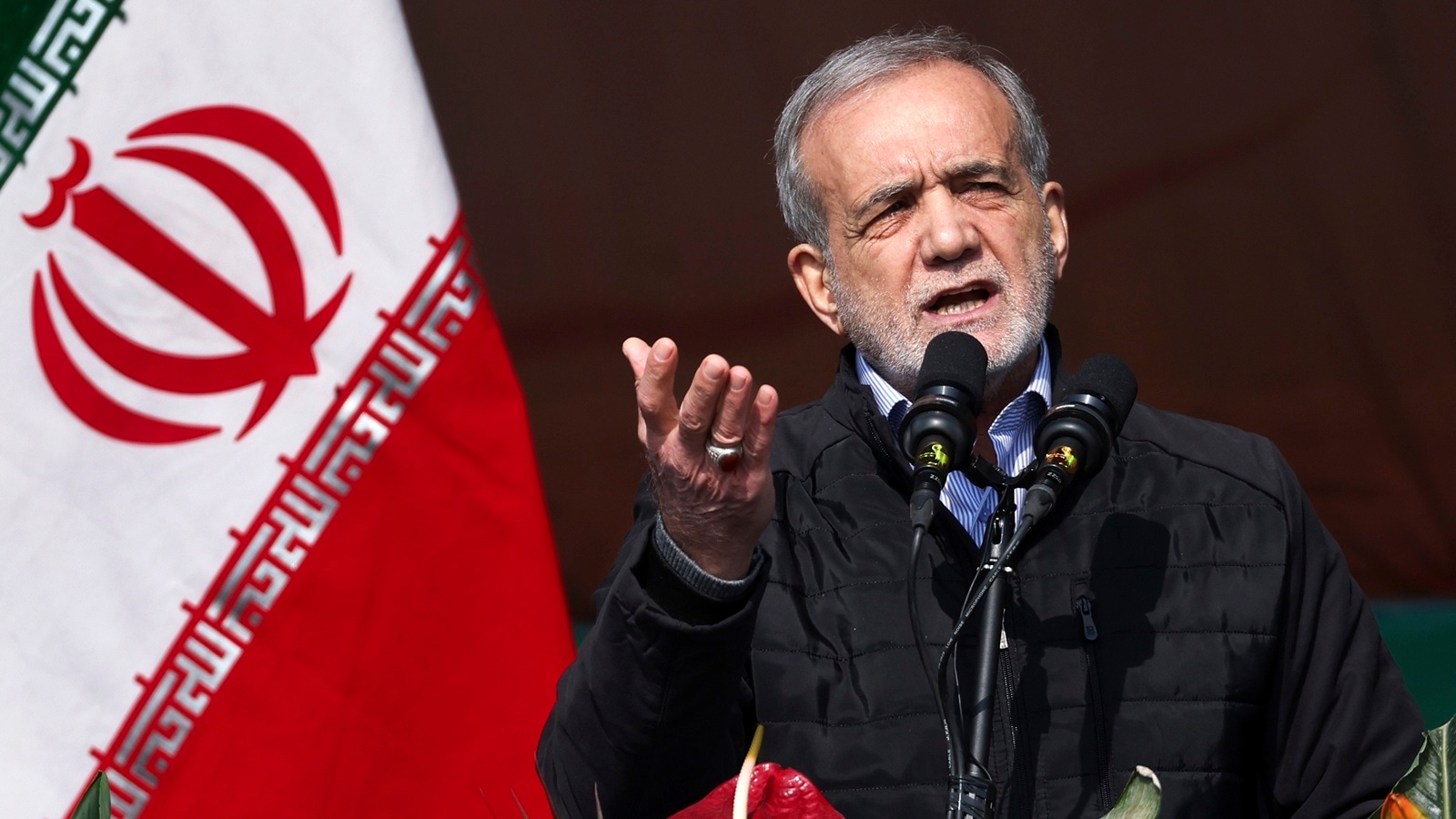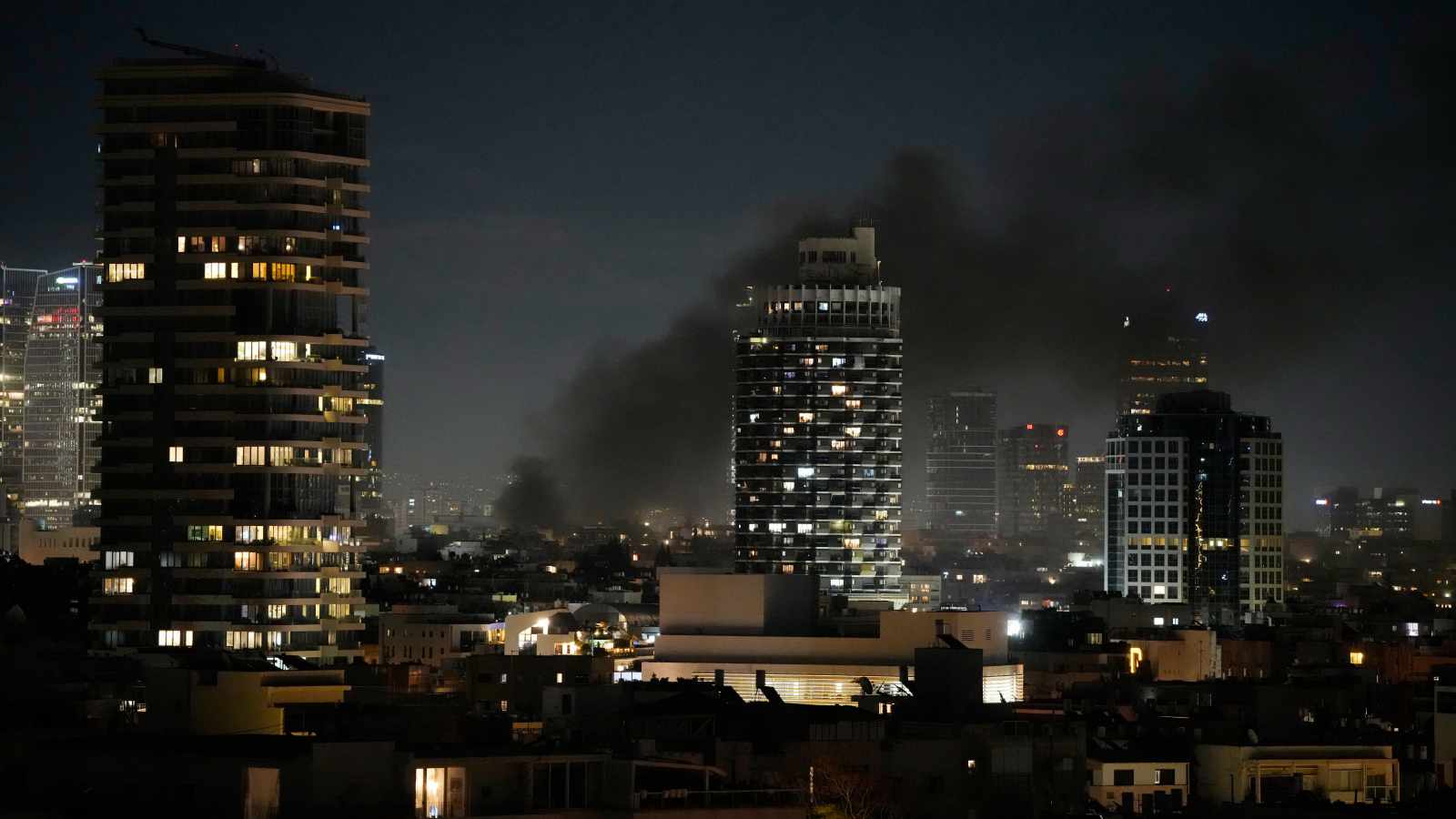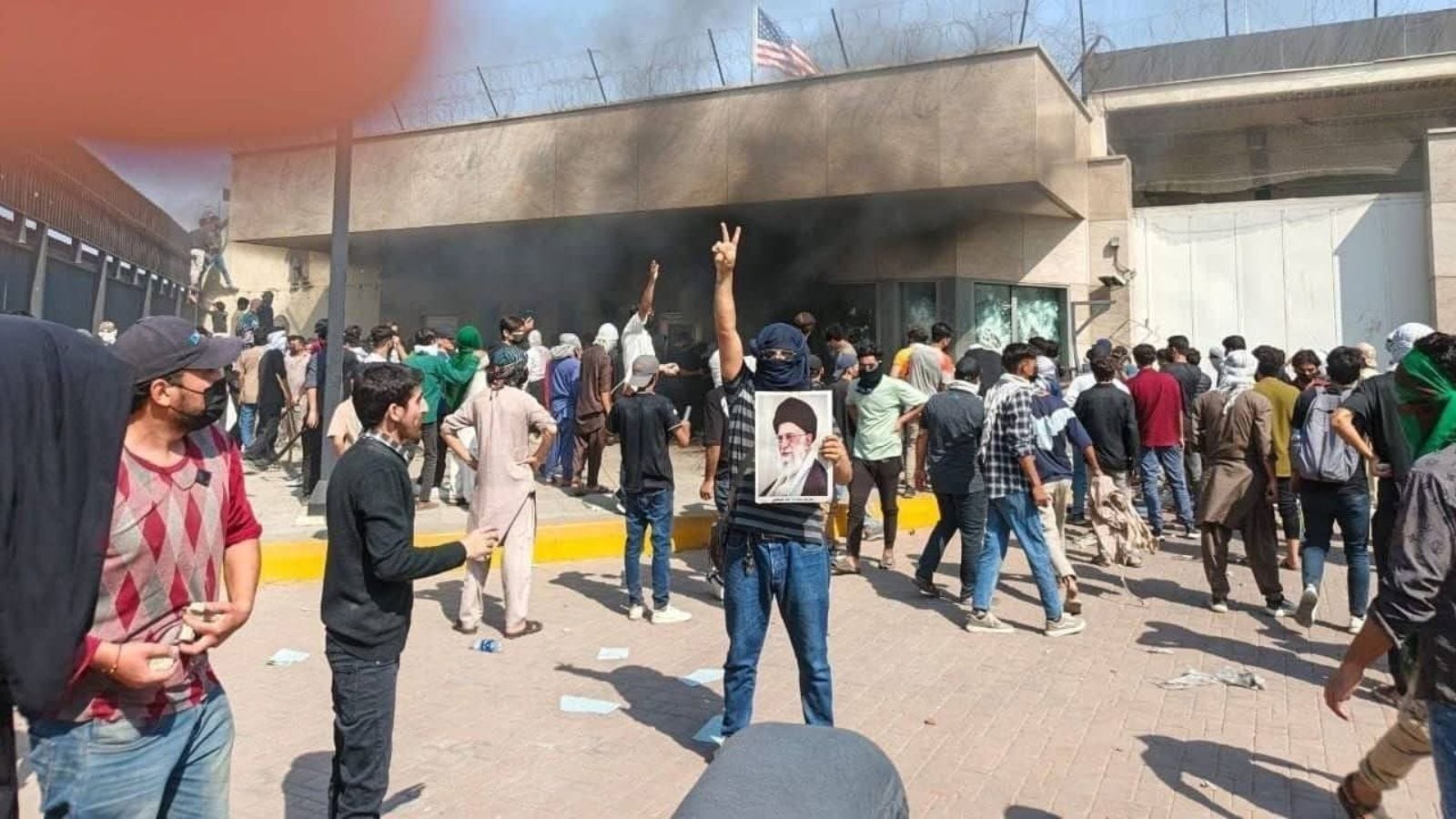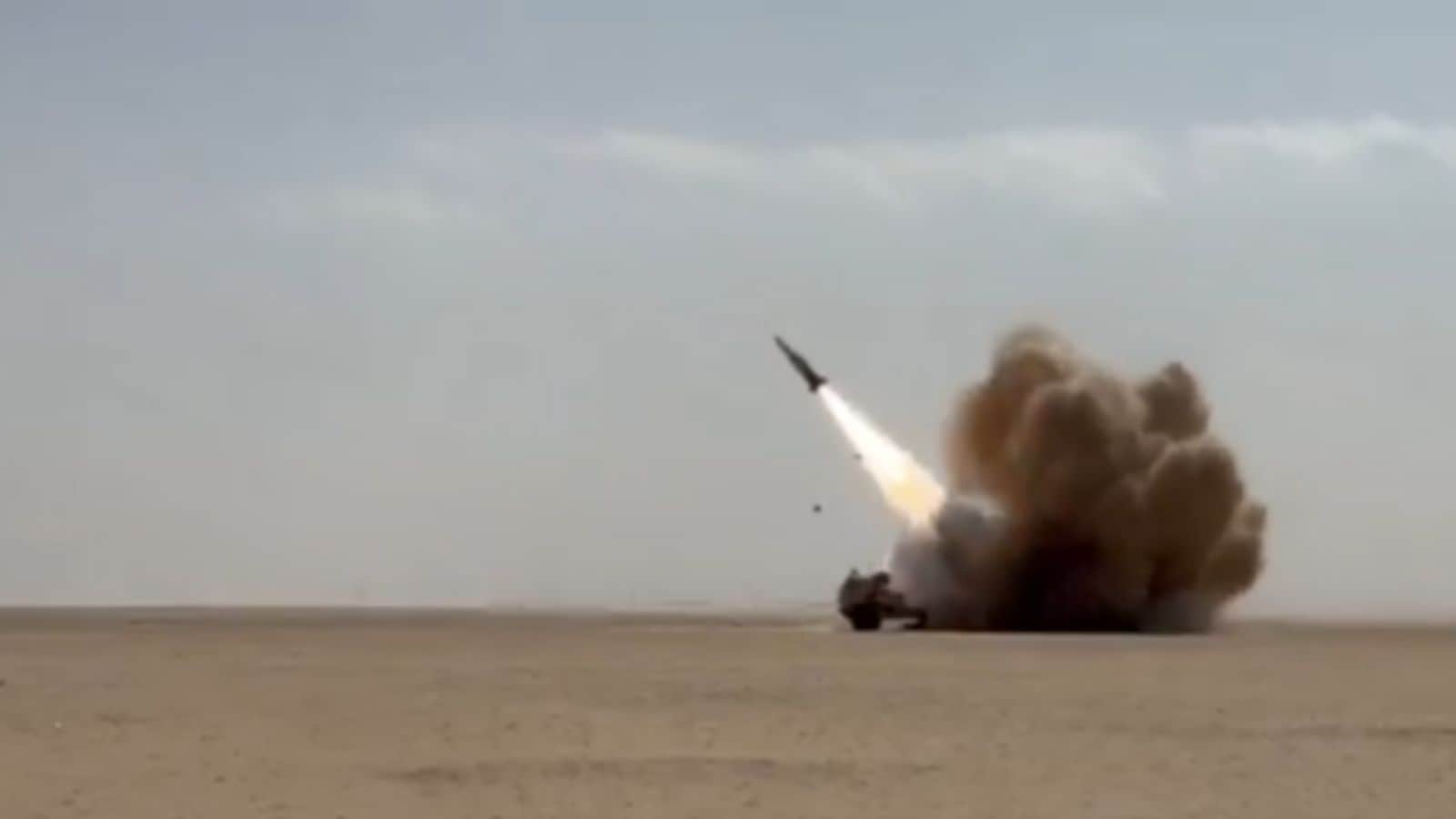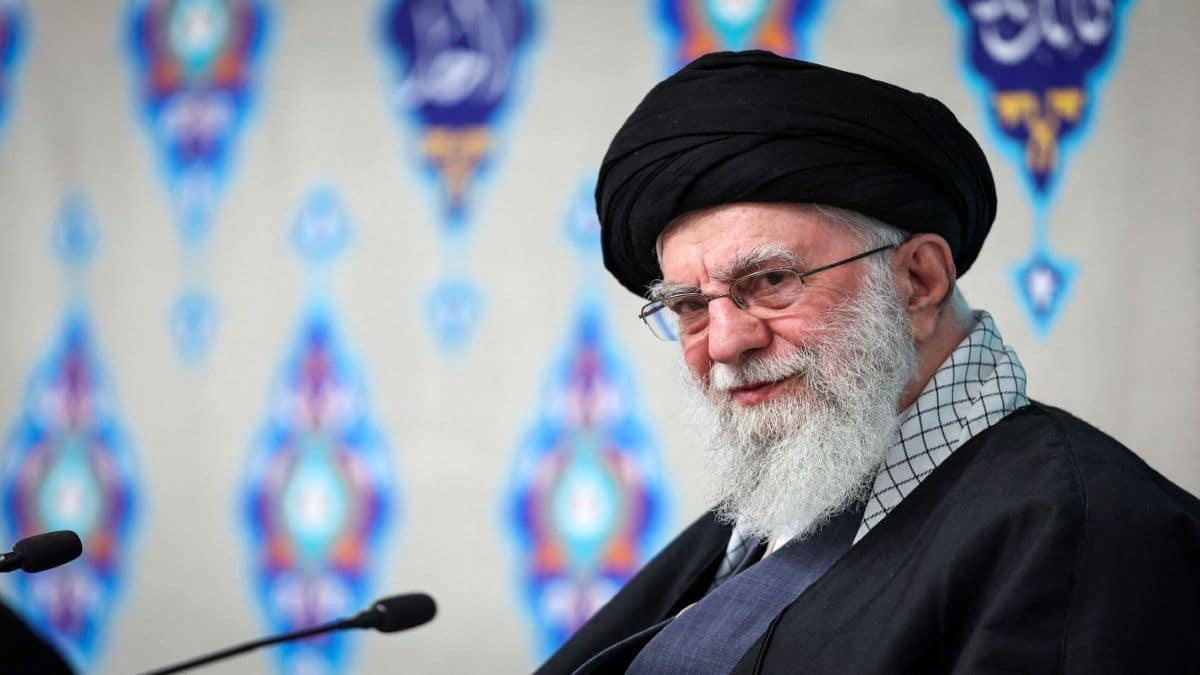
The western media loves a clean, cinematic narrative of decapitation. When reports surface of U.S.-Israel strikes hitting the inner sanctum of the Supreme Leader’s family—allegedly claiming the lives of his daughter, grandchild, and son-in-law—the headlines treat it like a "game over" screen for the Islamic Republic. They operate on the lazy assumption that the Iranian regime is a fragile monarchy where bloodlines dictate the survival of the state.
They are dead wrong.
If you are looking at these strikes as a turning point in the Middle East, you are reading the map upside down. This isn't the beginning of the end for Tehran; it is an expensive, high-risk exercise in symbolic futility that actually strengthens the institutional glue holding the regime together.
The Bloodline Fallacy
Most analysts treat Ali Khamenei like a medieval king whose legitimacy flows through his heirs. This is a fundamental misunderstanding of the Velayat-e Faqih (Guardianship of the Islamic Jurist). The Iranian system is not a family business. It is a massive, bureaucratic, ideological machine designed specifically to survive the loss of individuals.
When you kill a family member, you aren't removing a cog in the military-industrial complex. You are handing the regime a PR gift: a fresh set of "holy martyrs." In the Shia tradition, martyrdom isn't a setback; it is the ultimate currency of political legitimacy. By targeting the family, the West isn't dismantling the power structure—it's providing the regime with the emotional propellant it needs to justify its next decade of "Resistance."
I’ve sat in rooms with intelligence veterans who still think we can "pressure" a theocracy into submission by making it personal. It’s a vanity project. We saw this with the assassination of Qasem Soleimani. The consensus was that the IRGC (Islamic Revolutionary Guard Corps) would crumble without its charismatic lead. Instead, the IRGC became more institutionalized, more paranoid, and significantly more integrated into the Iraqi and Syrian economies.
The IRGC Loves a Power Vacuum
The real power in Iran does not sit at the dinner table of the Khamenei family. It resides in the hands of the IRGC commanders who have spent forty years building a "Deep State" that operates independently of any single individual’s survival.
When the Supreme Leader’s family members are hit, the IRGC doesn't mourn. They move in. Every strike that "weakens" the office of the Supreme Leader by removing his personal confidants actually shifts the center of gravity further toward the military wing.
If you want a more dangerous Iran, this is exactly how you get it. You transition the country from a controlled, ideological theocracy into a decentralized, military junta with nothing to lose. The "civilian" side of the Iranian government—the few remaining pragmatists who might actually sign a deal—is completely silenced the moment the bombs start falling on the Leader’s house.
Why "Surgical Strikes" are a Myth
The phrase "surgical strike" is the greatest marketing lie of the 21st century. In the context of Tehran or Isfahan, there is no such thing as a clean cut.
When a U.S. or Israeli missile hits a high-value target in a residential or high-security district, the collateral damage isn't just physical. It is an architectural failure of Western intelligence. We assume that by killing a son-in-law, we are disrupting the chain of command.
Let's look at the mechanics:
- Redundancy: The Iranian military command structure is built on a "headless" model. Information flows through multiple channels.
- Succession: The Assembly of Experts already has shortlists for the next Supreme Leader. None of those names rely on being Khamenei's son-in-law.
- Escalation Ladder: A strike on a family member is seen as an "honor violation." In the regional code of conduct, this authorizes a level of retaliation that goes beyond standard military engagement.
By crossing the line from military assets to family members, the West has effectively told the Iranian hardliners that the "rules of the game" are gone. If their families are fair game, so are the families of Western diplomats and Israeli officials. It’s an invitation to a global shadow war that the West is uniquely ill-equipped to fight.
The Intelligence Trap
There is a darker possibility that the "insider" crowd refuses to acknowledge: disinformation.
In the chaotic aftermath of a strike, the first reports are almost always wrong. If you’re a regional intelligence agency, why not claim you killed the Leader’s daughter? It boosts morale. It makes the enemy look vulnerable. But if she walks onto state TV forty-eight hours later, the "strategic victory" evaporates and becomes a massive credibility win for Tehran.
We’ve seen this script before. Remember the "confirmed" reports of Kim Jong Un’s death? Or the multiple "kills" of Al-Baghdadi before he actually died? Relying on early reports of family casualties is a rookie mistake. It’s chasing a dopamine hit of "justice" while ignoring the tactical reality on the ground.
Stop Measuring Victory in Body Counts
The West’s obsession with high-value targets (HVTs) is a relic of 20th-century warfare. In a digital, networked world, an ideology doesn't die because its most prominent family members are incinerated.
If the goal is to stop Iran’s nuclear program or curb its regional influence, killing a grandchild is objectively the least effective way to do it. It doesn't take a centrifuge offline. It doesn't drain a bank account in Switzerland. It doesn't stop a drone from being shipped to Russia.
It just makes the person holding the remote control feel better for fifteen minutes.
The Actionable Reality
If you are an investor, a policy-maker, or just a concerned observer, stop waiting for the "decapitation strike" that fixes everything. It isn't coming.
Instead, look at the internal economic fractures within the IRGC. Look at the labor strikes in the Iranian oil sectors. Look at the water shortages in the Khuzestan province. Those are the structural failures that actually threaten the regime’s survival. A missile in a courtyard is a distraction; a dry tap in a rural village is a revolution.
The "insider" truth is that these strikes are often a sign of desperation from the West—an admission that we have no idea how to actually stop the clock on Iran’s regional expansion, so we’ve resorted to the geopolitical equivalent of a drive-by shooting.
Stop asking who was in the building. Start asking who benefits from the chaos that follows. It’s rarely us.
Stop looking for the smoking gun and start looking for the replacement. In Tehran, there is always a replacement, and they are usually younger, more radical, and far more vengeful than the one you just buried.