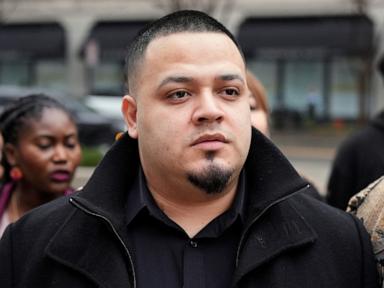
Getting a U.S. passport used to feel like crossing a permanent finish line. You take the oath, you wave the little flag, and you're part of the club for life. But a massive policy shift changes the rules of the game entirely. The Department of Justice recently targeted 40 naturalized citizens in a single sweep, filing civil and criminal complaints aimed at stripping them of their American status.
Federal officials call this the largest single-period denaturalization effort of its kind in recent history. It's a sharp escalation that leaves many naturalized Americans wondering if their status is as secure as they once believed.
What Denaturalization Actually Means in Practice
Denaturalization isn't a brand-new legal invention. The government has always possessed the statutory power to strip citizenship away from people who lied or omitted crucial facts on their original immigration paperwork. If you conceal a serious criminal record, commit massive immigration fraud, or hide ties to foreign intelligence agencies while securing your papers, the system says you never legally earned the status in the first place.
What makes this recent wave different is the sheer scale and coordination. Between August and October, federal prosecutors lodged petitions against individuals accused of severe offenses. We aren't talking about minor clerical errors or forgotten traffic tickets. The targets include people convicted of child sexual abuse, large-scale healthcare fraud, money laundering, and even espionage.
Take the case of Iain Lumsden, a naturalized citizen originally from the United Kingdom. Federal files show he was convicted of transporting child pornography. Investigators discovered he had concealed unlawful conduct that predated his naturalization ceremony. Another case involves individuals accused of funneling state secrets to foreign governments like China after swearing allegiance to the United States.
When prosecutors file these civil denaturalization complaints, they argue that these individuals lacked the requisite "good moral character" at the exact moment they took the oath of allegiance. Strip away the fraudulent foundation, the government argues, and the citizenship collapses.
Why This Push Is Accelerating Right Now
Governments don't dedicate massive resources to complex civil revocation lawsuits on a whim. This campaign reflects a broader political and security focus on tightening immigration loopholes and punishing individuals who game the system.
For years, denaturalization cases were rare, handled mostly by a small, specialized section within the Justice Department focusing on war criminals or historic human rights abusers. Under recent administrative directives, that scope widened significantly. Officials view denaturalization as a potent weapon for national security and border integrity.
Critics argue that scaling up these actions creates a two-tiered system of citizenship. Under the U.S. Constitution, native-born citizens enjoy lifetime protection from losing their citizenship, barring explicit renunciation. Naturalized citizens, however, live with a conditional status that can theoretically be challenged if a cold case investigator unearths a decades-old omission on an application form.
Proponents of the crackdown counter that naturalization is a privilege earned through strict adherence to the law. If someone lies to pass through the door, they shouldn't get to keep the house.
What This Means for Everyday Naturalized Citizens
If you went through the legal immigration process honestly, paid your fees, passed your background checks, and didn't hide major criminal activity or fraud, do you need to panic? Honestly, no.
The federal government still faces a heavy burden of proof in these cases. Denaturalization requires clear, unequivocal, and convincing evidence that a material falsehood directly influenced the approval of citizenship. Prosecutors cannot simply revoke papers because they dislike someone or disagree with their politics. They have to prove deliberate fraud in a federal court.
Even so, immigration attorneys note a psychological chilling effect. Many naturalized Americans view their papers with a renewed sense of fragility. The message from Washington is crystal clear: the ink on your naturalization certificate is subject to review if your past catches up with you.
As these 40 cases wind their way through federal courts across the country, they will establish new legal precedents for how aggressively the government can unwind citizenship. Keep your personal immigration records safe, ensure your past applications were truthful, and pay attention to how federal courts balance national security against the permanence of citizenship.
Fubu Toy review
This video provides a brief news overview of the Department of Justice's recent legal actions to strip citizenship from dozens of individuals.