The screen glows with a soft, hypnotic blue light in a darkened bedroom in a quiet suburb. A ten-year-old boy, let’s call him Leo, is not playing Minecraft or watching a soccer highlight reel. He is scrolling through a sleek, brightly colored storefront that looks more like a high-end candy boutique than a pharmacy. The graphics are crisp. The user interface is intuitive. With a few taps of a finger that still bears the faint smudge of afternoon finger paints, Leo adds a package of "herbal relaxation" pills to a digital cart.
He doesn't need a credit card. He doesn't need to prove he is an adult. Most importantly, he doesn't even need to pay for shipping. A banner at the top of the site promises a "First Timer’s Welcome Pack" which includes free samples of a synthetic stimulant and a branded sticker sheet. It is a marketing masterclass designed for the TikTok generation, and it is killing the traditional barrier between childhood and the world of high-risk narcotics.
The substance in Leo’s cart is often marketed as "legal highs" or "research chemicals." In the clinical world, they are known as New Psychoactive Substances (NPS). To the kids buying them, they are just "Zen" or "Speedy" or "Cloud Nine." These are molecules birthed in clandestine labs, designed specifically to mimic the effects of illegal drugs like cocaine, MDMA, or diazepam while staying one microscopic step ahead of the law.
The Illusion of the White Box
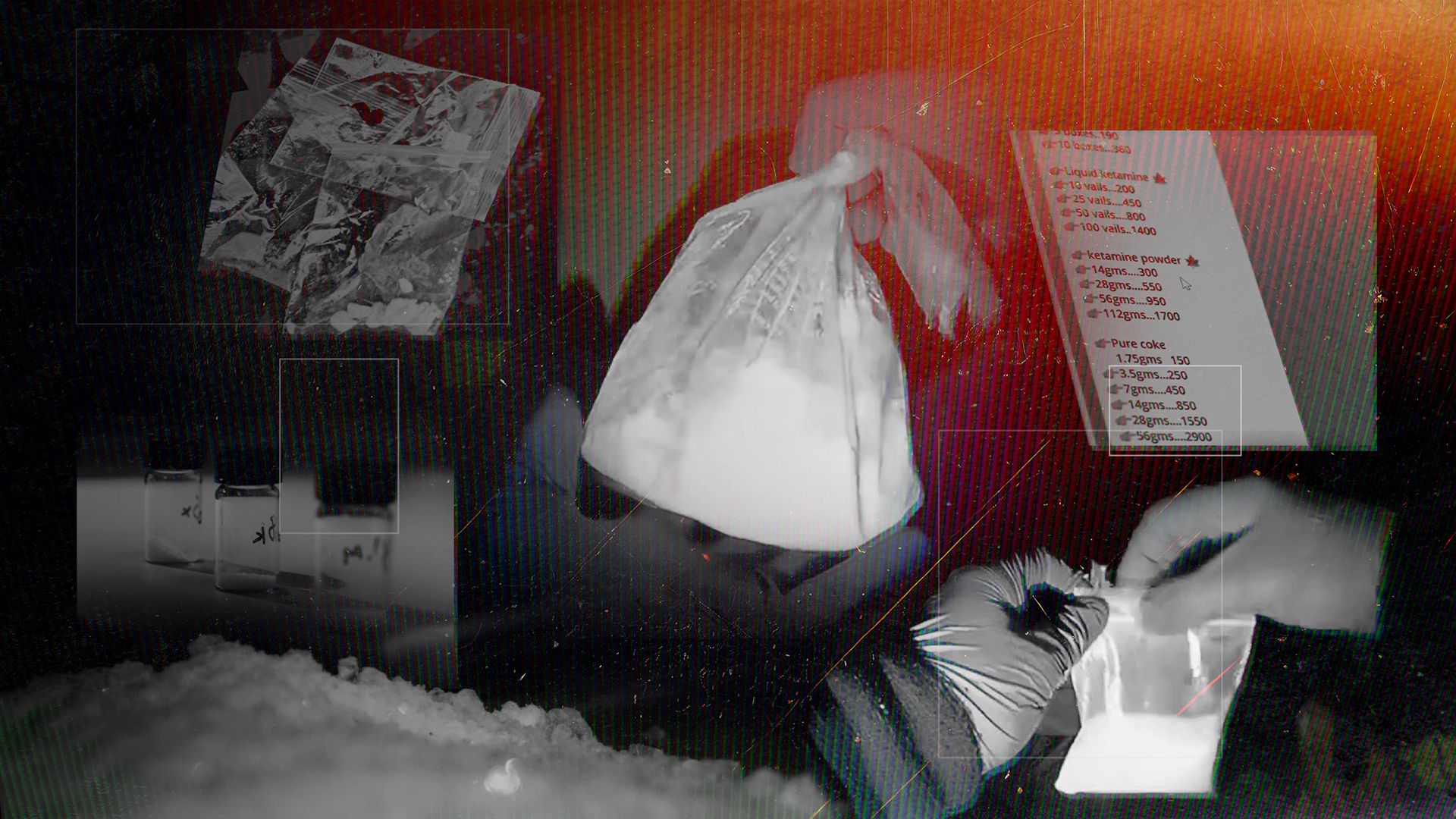
We often associate drug deals with flickering streetlights and nervous handoffs in cold alleys. That version of the story is obsolete. Today, the deal happens on the couch. The package arrives in a pristine white box, often adorned with "discreet shipping" labels that make it look like a delivery from a trendy clothing brand or a tech startup.
Consider the psychology of a fifth grader. At ten, the brain is a sponge for social cues but a desert for impulse control. When a product is presented with professional branding, "free perks" like lanyards or sweets, and a streamlined checkout process, the inherent danger of the chemical inside evaporates. The professional aesthetics grant the substance a false sense of legitimacy. If it looks like a supplement from a health store, how could it possibly be a poison?
The "free perks" are the hook. By offering stickers, t-shirts, or additional "sample baggies" for zero cost, online vendors create a sense of reciprocity and community. It is a classic grooming technique repurposed for retail. They aren't just selling a drug; they are selling an identity. They are inviting children into a "club" where the entry fee is their safety.
The Chemical Shape-Shifter
The real terror of these online party drugs lies in their instability. When a chemist in an unregulated lab tweaks a molecule to bypass a specific government ban, they aren't just changing a line of code. They are altering how that substance interacts with the human heart and brain.
Imagine the brain as a complex lock. A natural neurotransmitter is the perfect key. Traditional drugs are like a slightly bent key that still fits but forces the lock open, eventually damaging it. New Psychoactive Substances are like a jagged piece of scrap metal shoved into the lock with a hammer. They might open the door, but they often snap off inside, leaving the system permanently broken.
Because these formulas change weekly to stay "legal," there is no such thing as a standard dose. One batch might cause mild euphoria; the next, from the same website with the same label, might trigger a heart rate of 180 beats per minute, acute psychosis, or a seizure. For a ten-year-old whose organs are still developing, the margin for error is non-existent.
The Algorithm of Access
The internet has democratized many things, but it has also democratized trauma. In the past, a child would have to actively seek out a "bad influence" to find drugs. Now, the bad influence is an algorithm. A child searching for "how to study better" or "how to feel less stressed" can be funneled by recommendation engines into forums and storefronts that offer these synthetic shortcuts.
The vendors are savvy. They use search engine optimization (SEO) tactics to ensure their "herbal" solutions appear alongside legitimate wellness products. They hide behind "Not for Human Consumption" disclaimers—a legal fig leaf that everyone involved knows is a lie. This phrase is the wink and the nod that allows the business to operate in the open, while the "free perks" ensure the customer feels like they’ve found a secret treasure.
It is a predatory cycle fueled by the anonymity of the web. The person selling the "welcome pack" to Leo doesn't see a child. They see a lifetime value metric. They see a data point in a conversion funnel.
The Silence in the Hallway
The most heartbreaking part of this digital shift is the silence. Unlike alcohol, which leaves a smell, or traditional drugs that might require paraphernalia, these synthetic pills and powders are often odorless and easily hidden in plain sight. They look like vitamins. They look like breath mints.
Parents are often the last to know because they are looking for the wrong signs. They are looking for the 1980s version of a drug user. They aren't looking for the honor roll student who is suddenly having panic attacks or the ten-year-old who has become inexplicably withdrawn. The struggle is no longer visible on the street; it is vibrating in the pocket of every teenager in the country.
We are witnessing a fundamental breakdown of the "protective bubble" of childhood. When a ten-year-old can navigate a drug transaction with the same ease as buying a skin in Fortnite, the concept of a "safe neighborhood" becomes a relic of the past. The neighborhood is now the entire world, and every corner of it is accessible through a five-inch screen.
The Invisible Stakes
We talk about regulation and legislation, but the law is a slow-moving beast in a world of fiber-optic speed. By the time a specific compound is banned, the labs have already pivoted. The solution isn't just a better filter or a stricter law. It is a radical return to the human element.
We have to acknowledge that the "free perks" are working because they fill a void. Children are seeking connection, relief, or a sense of belonging in a digital world that often feels hollow. The "Welcome Pack" is a counterfeit version of the community they actually need.
The battle isn't just against a chemical; it is against a business model that treats human lives as disposable inventory. It is a fight for the attention and the safety of children who are being targeted by professionals who know exactly how to bypass a parent's guard and a child's common sense.
Leo's package arrives on a Tuesday. It sits on the porch, nestled between a utility bill and a grocery flyer. It looks boring. It looks like nothing. But inside that cardboard shell is a chemical lottery that a ten-year-old is about to play, and the house always wins.
The screen in the bedroom goes dark, but the influence of the digital candy shop lingers. The stickers are on the headboard. The lanyard is around the neck. The "legal" high is in the hand. The invisible deal is done, and the cost will be paid in ways we are only just beginning to understand.
Try to look at your child's phone not as a tool or a toy, but as an open door to a storefront that never closes, where the first taste is always free and the consequences are never listed on the label.
Would you like me to help you draft a guide for parents on how to identify and talk to children about the hidden marketing of "legal highs" online?

.png?width=1200&auto=webp&trim=0%2C0%2C0%2C0)