We live in an age that confuses access with ownership. A screen glows in a darkened room, a string of hexadecimal characters shifts in an obscure ledger, and suddenly, the impossible feels within reach.
For one man in the United Kingdom, that glow manifested as two point five six crore rupees stolen from the digital ether. It is a staggering sum, roughly equivalent to three hundred thousand dollars, siphoned through a cryptocurrency theft that left behind fractured accounts and a digital paper trail leading straight to a fantasy.
Money of that magnitude changes the texture of reality. Or at least, it rents a better version of it for a little while.
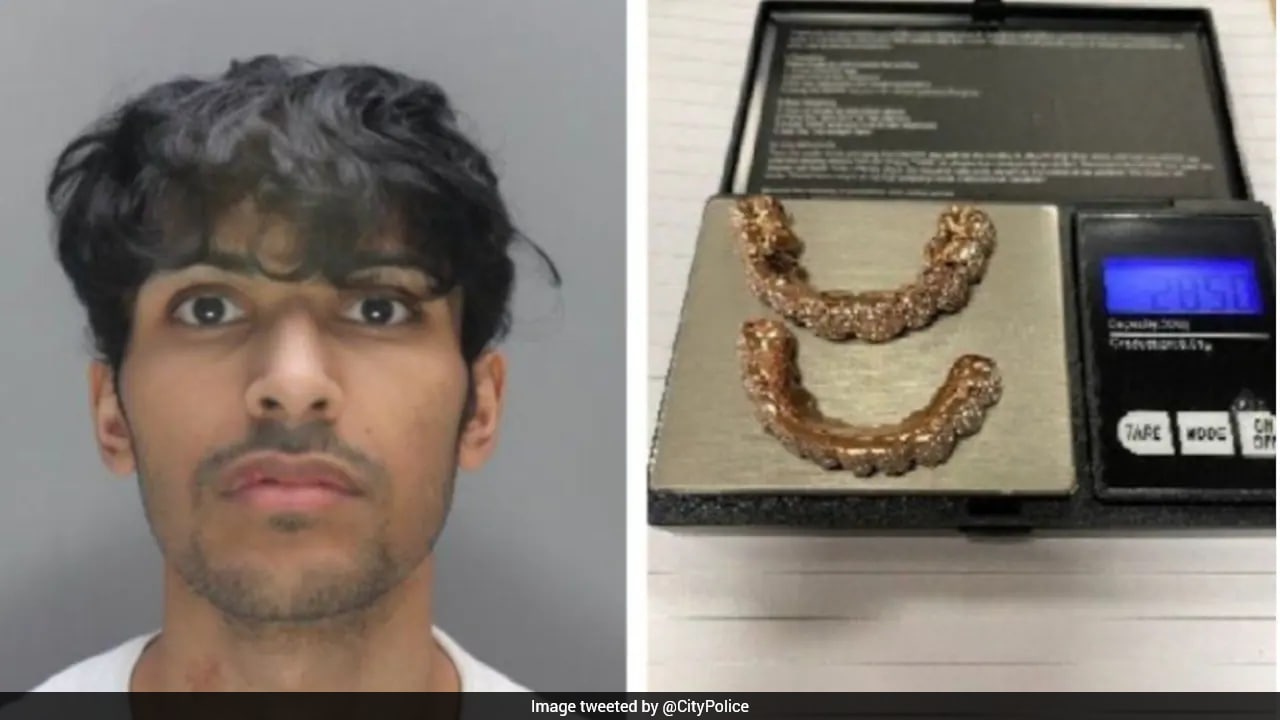
When the authorities finally tracked the expenditure, the ledger of his sins read less like a sophisticated cyber heist and more like a pop culture wishlist brought to vivid, reckless life. There were custom gold teeth gleaming under club lights, a luxury flat offering a panoramic view of urban indifference, and spontaneous trips to Dubai where the sun beats down hard enough to melt ordinary inhibitions.
It is a tale as old as digital currency itself. The illusion of anonymity breeds a strange brand of audacity. When you steal numbers on a screen, the victims feel abstract, and the consequences feel light years away. You buy gold to make the invisible tangible. You book a flight to Dubai to prove to yourself, if to no one else, that you have arrived.
Consider the psychology of the overnight windfall.
In behavioral economics, sudden wealth triggers what experts call the lottery fallacy. It is the deep-seated cognitive bias that whispers you are special, that the rules governing risk and consequence apply to other people, ordinary people. When the stolen cryptocurrency cleared, our subject did not invest in low-yield index funds or buy municipal bonds. He invested in spectacle.
Gold teeth are not merely dental modifications. They are armor. They are a permanent, glittering declaration whispered across a crowded room: Look at me. I survived the margins.
Yet, there is a profound melancholy etched into every ounce of flash. Luxury flats in metropolitan centers often come with the quietest doors. You can hear the hum of the refrigerator, the distant rumble of traffic, and the echoing silence of knowing that every single luxury object in the room was paid for with borrowed time.
Dubai serves as the modern sanctuary for transient wealth. It is a city built on sand and ambition, where towering glass spires pierce the sky and no one asks where your money was yesterday, provided you are spending it today. To fly there on stolen funds is to chase a horizon that recedes the moment your feet touch the tarmac.
The investigation, when it came, was methodical. Blockchain analytics do not care about gold teeth. Every transaction is an indelible ink mark on a public wall. The crypto theft that funded the high life left cryptographic breadcrumbs that law enforcement followed with quiet persistence.
You cannot outrun a ledger.
When the door finally swung open and the reality of the legal system set in, the gold teeth remained in his mouth, tasting of copper and regret. The luxury flat belonged to someone else again. The Dubai boarding passes turned yellow in a drawer.
We are often seduced by the narrative of the brilliant digital outlaw, the cyberpunk rogue hacking the mainframe to live like a king. But the reality is far more fragile and, ultimately, tragicomic. It is a reminder that the cost of digital theft is never just the sum taken from the victim. It is the wholesale surrender of one's own peace, traded away for the fleeting theater of royalty.
The screen goes dark. The ledger settles its accounts. And the gold eventually loses its shine.


