Diplomacy rarely ends with a dramatic explosion. Usually, it finishes with a hurried exit from a Midtown Manhattan hotel.
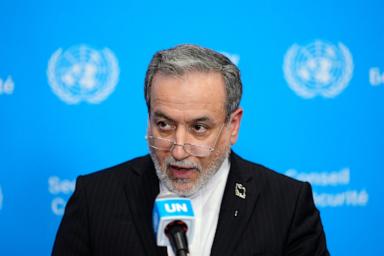
When U.S. Secretary of State Marco Rubio pulled the plug on the remaining Iranian diplomatic presence in New York, he did it quietly through official channels before dawn. Foreign Minister Abbas Araghchi and his team were told that their window in the United States had officially slammed shut. Meanwhile, you can explore similar developments here: Inside the Shadow War Over British Air Bases.
If you have been tracking the tense dynamics between Washington and Tehran, this sudden expulsion shouldn't come as a massive shock. Behind-the-scenes indirect talks mediated by Qatar had hit a brick wall over crucial regional friction points, including the contested blockade of the Strait of Hormuz and ongoing disputes regarding Iran's nuclear development program.
Why the Timeline Accelerated
While Iranian President Masoud Pezeshkian made a standard, brief exit right after his UN General Assembly address, Araghchi chose to linger. The original plan was for the foreign minister to stick around through Wednesday to squeeze every last drop out of backchannel negotiations. To explore the complete picture, we recommend the excellent analysis by TIME.
Washington had granted tightly restricted visas to allow high-level engagement at the United Nations, but patience wore thin when weekend mediation sessions yielded zero functional progress. According to U.S. officials speaking on background, Rubio determined that the delegation had thoroughly overstayed its welcome once the core purpose of the UN summit wrapped up. By Monday evening, the directive was clear: pack your bags, the meetings are over.
The Battle Over the Narrative
Predictably, Tehran and Washington disagree sharply on how the departure went down.
U.S. sources insist it was a direct expulsion order triggered by an unyielding diplomatic stalemate. The Iranian mission countered by claiming the departure strictly followed their original, pre-scheduled travel itinerary submitted to the State Department weeks prior. Tehran dismissed the American framing as a face-saving PR maneuver after failing to secure concessions.
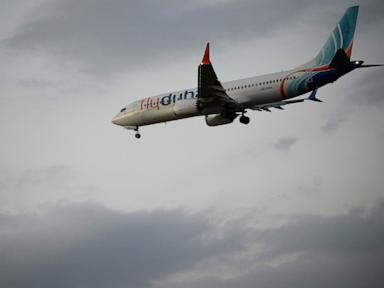
Yet the speed of their transit tells a practical story. Araghchi and his delegation scrambled to catch a flight out to Doha in the dead of night, boarding a commercial or charter connection at 1:20 a.m. Tuesday. That is not a leisurely departure according to a relaxed schedule. That is a swift exit executed under pressure.
What This Means for Future Regional Talks
The collapse of these New York side-talks signals a chilling winter for U.S.-Iran diplomatic channels. With the Strait of Hormuz remaining a critical choke point for global energy supplies and regional hostilities simmering following earlier military clashes, closing the door on direct proximity talks leaves very few options for de-escalation.
When communication lines shrink back to megaphone diplomacy and public posturing, the margin for error disappears entirely. For now, the administration has made its stance unmistakable: if you are going to use U.S. soil for diplomatic leverage, you actually need to produce results. When the progress stops, the visas expire.
US Official: Rubio Demands Iranian Delegation Leave the United States Following Stalled Negotiations
This video report breaks down the immediate political reactions and behind-the-scenes negotiations that led to Washington's decision to cut short the Iranian delegation's stay.