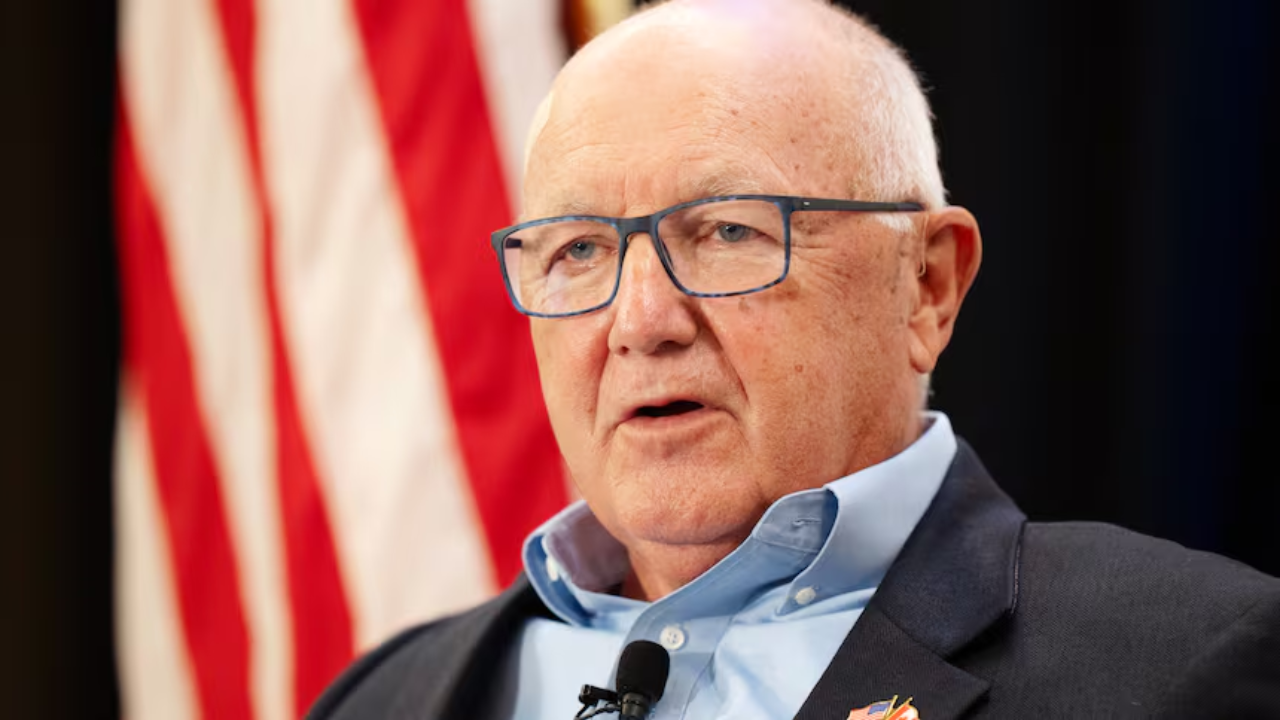
Over sixty thousand Canadians signed a public petition demanding the immediate expulsion of United States Ambassador Pete Hoekstra, marking an extraordinary escalation in bilateral tensions between two historically close neighbors. This intense public backlash stems from a volatile mix of sharp rhetoric, shifting trade alignments, and a growing domestic fatigue in Canada regarding American political interference.
Diplomatic postings rarely trigger mass mobilization. Ambassadors typically operate quietly behind closed doors, managing trade disputes, intelligence sharing, and cultural exchanges without drawing the ire of the general population. Pete Hoekstra entered Ottawa with a reputation for blunt, unfiltered communication, a style that plays well in certain domestic political circuits inside the United States but grinds aggressively against the polite, consensus-driven machinery of Canadian federal politics.
The petition crossed the sixty-thousand-signature threshold faster than any comparable diplomatic protest in recent memory. Grassroots organizers capitalized on mounting frustration over U.S. protectionist policies, comments perceived as condescending toward Canadian sovereignty, and a broader anxiety about how Washington treats its northern partner during periods of economic strain.
The Anatomy of a Diplomatic Breach
Ambassadors act as the personal representative of their head of state to a foreign government. When that representative begins publicly criticizing local policy or appealing directly to a foreign citizenry over the heads of elected officials, the unwritten rules of diplomacy fracture.
Hoekstra's tenure featured several friction points that alienated various segments of Canadian society. From agricultural trade disputes involving dairy quotas to pointed commentary on defense spending shortfalls, the ambassador repeatedly pushed the envelope of acceptable diplomatic decorum.
Traditional diplomats rely on nuance, backchannel negotiations, and careful phrasing designed to protect national pride while hammering out compromises. Hoekstra favored a direct, confrontational approach more reminiscent of a campaign trail stump speech. For a Canadian public already hypersensitive to being economically and culturally overshadowed by its superpower neighbor, this high-decibel style felt less like partnership and more like coercion.
Citizens did not wake up one morning and decide to draft an expulsion petition out of a vacuum. The momentum built steadily through a series of public addresses and media appearances where the ambassador framed Canadian regulatory frameworks as hostile to American commercial interests.
Economic Nationalism and Sovereignty Anxieties
Underneath the immediate anger toward an individual diplomat lies a much deeper, structural anxiety about Canadian economic independence. Canada sends the vast majority of its exports across the southern border, creating a massive vulnerability whenever Washington shifts toward an America First trade posture.
When an American ambassador pressures Ottawa to alter domestic policies regarding digital services taxes, energy pipelines, or environmental regulations, everyday citizens perceive a direct threat to their autonomy.
Sovereignty is not merely a legal abstraction; it is the practical ability of a nation to set its own laws without foreign intimidation.
The petition against Hoekstra became a lightning rod for these broader economic anxieties. It gave ordinary people a tangible way to express deep-seated frustration with the power imbalance inherent in the bilateral relationship.
Critics of the petition argue that expelling an ambassador is an extreme measure that risks a retaliatory freeze from Washington, potentially harming Canadian exporters who rely on stable cross-border channels. Defenders of the petition counter that tolerating open disrespect from a foreign envoy sets a dangerous precedent, signaling that Ottawa will accept subordination without pushback.
The Limits of Megaphone Diplomacy
Modern diplomacy increasingly happens in public view, driven by social media, instant news cycles, and the pressure for politicians to project strength for domestic audiences. This shift has eroded the traditional insulation that protected ambassadors from public outrage.
When an envoy treats a host country like a political adversary rather than an ally, the institutional safeguards designed to absorb friction begin to fail. Hoekstra’s background as a seasoned politician rather than a career foreign service officer heavily influenced his operational playbook. Career diplomats are trained to defuse tensions quietly; political appointees often view their role through the lens of advancing specific partisan or nationalistic agendas at all costs.
This divergence in methodology explains why the current crisis feels so acute. Ottawa and Washington have weathered countless trade wars, political disagreements, and ideological mismatches over the decades. Yet, personalizing these disputes by targeting the representative himself signals that the friction has moved from policy to trust.
What Happens Next in Ottawa and Washington
Governments rarely expel ambassadors unless relations have deteriorated beyond repair, plunging into outright hostility. The Department of Foreign Affairs in Ottawa faces a delicate balancing act. Acknowledge public anger without triggering a full-scale diplomatic crisis with the White House.
Ambassadors serve at the pleasure of the president, and recall decisions rest entirely in Washington. Public petitions, no matter how large, carry no binding legal weight over foreign accreditation. Yet, ignore sixty thousand angry citizens, and the federal government risks looking weak in the face of external pressure.
The diplomatic corps in Ottawa is watching closely. Every statement from the embassy is parsed for signs of a cooling-off period or a doubling down on confrontational rhetoric.
Cross-border partnerships require constant maintenance, mutual respect, and a recognition that even the most powerful nations benefit from treating their allies as equals. If the current standoff teaches us anything, it is that the tolerance for heavy-handed diplomacy has worn thin. The public has spoken through signatures and digital mobilization, drawing a hard line around where advocacy ends and interference begins.