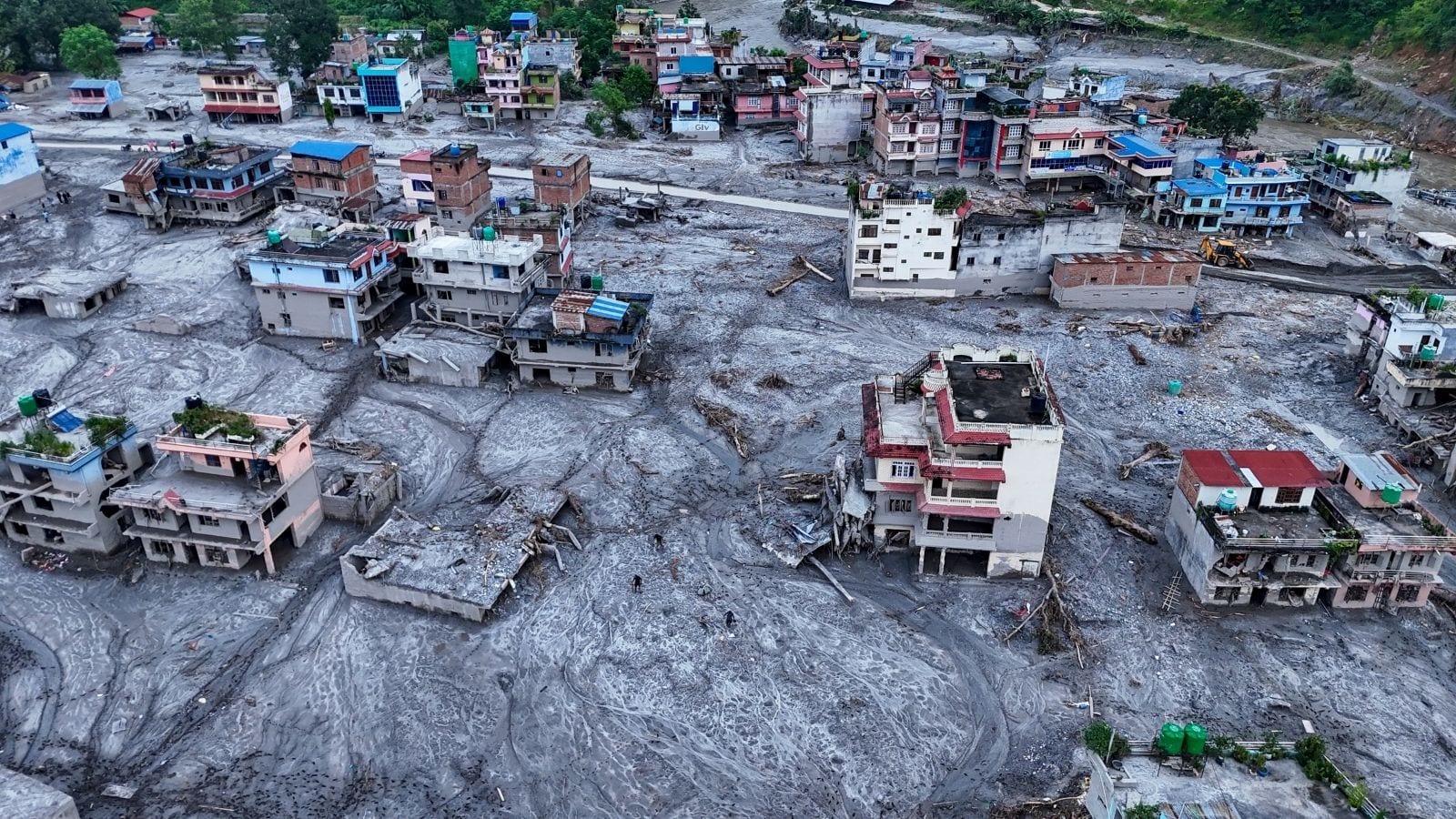
When regional infrastructure collapses under extreme weather events, the velocity of international disaster response becomes the primary determinant of casualty mitigation. The dispatch of the fifth consecutive tranche of 5.5 metric tons of emergency supplies and specialized rescue personnel from India to flood-ravaged Nepal illustrates the operational mechanics of near-neighbor humanitarian assistance. Evaluating this mobilization requires examining supply chain friction, the mechanics of relief tranches, and the geopolitical economy of disaster diplomacy.
The Operational Mechanics of Multi Tranche Relief
Humanitarian logistics in mountainous terrain operate under severe capacity constraints. Single-batch delivery models frequently fail because recipient infrastructure cannot absorb massive inflows simultaneously without terminal congestion at entry points.
- Staged Absorption: Dispatching aid in discrete tranches prevents supply chain bottlenecks at Tribhuvan International Airport or secondary regional hubs.
- Payload Specialization: Initial deployments prioritize search and rescue extraction teams and immediate medical triage units. Subsequent tranches shift toward potable water purification equipment, anti-diarrheal pharmaceuticals, and temporary shelter materials.
- Last Mile Degradation: Landslides and washed-out bridges convert conventional trucking routes into impassable corridors, forcing reliance on rotary-wing aircraft with strictly limited payload capacities.
The 5.5-ton volume metric per flight represents the optimal payload threshold for medium-lift tactical transport aircraft operating in high-altitude environments. Exceeding this weight threshold risks clearance failures when factoring in fuel reserves required for unpredictable meteorological shifts in the Himalayan foothills.
Economic and Strategic Dimensions of Near Neighbor Assistance
Bilateral disaster response functions simultaneously as a humanitarian obligation and a calibration of regional influence. States sharing contiguous borders maintain dedicated operational protocols precisely because response time translates directly to strategic stability.
- Response Latency Arbitrage: Proximity allows response times measured in hours rather than days, neutralizing the vacuum that secondary geopolitical actors might otherwise exploit through slow-moving assistance pledges.
- Institutional Interoperability: Pre-existing military and civil-defense communication channels permit immediate clearance of airspace and customs exemptions, bypassing bureaucratic friction that typically immobilizes multilateral aid agencies.
- Resource Cost Efficiency: Sourcing medical inventories and rescue personnel from adjacent domestic stockpiles minimizes transit cost functions per unit compared to trans-oceanic deployments.
Systemic Bottlenecks in Transboundary Rescue Operations
Despite high-level diplomatic alignment, recurring structural vulnerabilities undermine cross-border flood relief efforts.
Infrastructure Deficits
Nepal's arterial highway network depends on narrow mountain passes vulnerable to single-point-of-failure blockages. When seasonal monsoons trigger flash floods, aerial deployment remains the sole vector, yet rotorcraft availability is finite and heavily constrained by hazardous flying conditions.
Regulatory Friction
Even during acute crises, customs harmonization and bio-security clearances for pharmaceuticals introduce procedural delays. While emergency waivers bypass standard tariffs, the administrative handoff between national disaster management authorities and local municipal distributors frequently lacks real-time inventory tracking.
Data Asymmetry
Accurate damage assessments require granular telemetry from remote river basins. Delayed hydrological reporting prevents predictive resource allocation, forcing relief agencies into a reactive posture where supplies chase moving damage centers rather than pre-positioning ahead of cresting floodwaters.
Strategic Operational Recommendations
To transition from reactive dispatching to resilient crisis management, regional disaster frameworks must implement structural enhancements.
- Pre-Positioned Strategic Reserves: Establish joint supply depots within a two-hundred-kilometer radius of high-risk flood zones, stocked with standardized medical kits and water purification units independent of immediate national inventory calls.
- Digital Clearing Protocols: Deploy automated cryptographic clearance certificates for emergency flight paths and medical manifests to eliminate bureaucratic pauses at border control checkpoints during the critical first seventy-two hours.
- Decentralized Air Mobility Hubs: Invest in regional vertical takeoff and landing pads outside major metropolitan centers to ensure that last-mile distribution networks remain functional when arterial roads are severed.