When a sitting president rolls into a massive college football stadium, you expect metal detectors, snipers on the roof, and endless motorcade delays. But college football coaches have to worry about something entirely different: their communication tech going completely dark.
Security protocols for high-profile political figures don't just stop at the gates. They reach right into the press box and onto the field, turning high-tech play-calling systems into expensive paperweights without warning.
The Secret Service Blanket Blackout
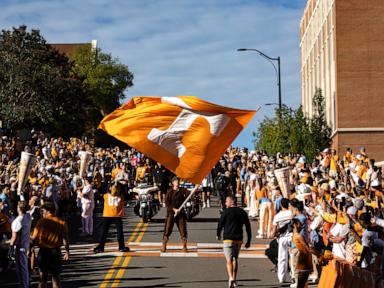
If you watched Texas head coach Steve Sarkisian break down the logistics ahead of a high-stakes showdown against Tennessee at Neyland Stadium, you heard a stark warning. Whenever Donald Trump shifts positions inside a stadium, communication bands experience temporary shutdowns.
"Anytime the President changes locations within the stadium, they cut all communication," Sarkisian noted, drawing on past experience from his days at Alabama. "They cut your headsets in terms of coach-to-player communication. So you have to plan for that. You get no warning. It just gets cut out."
Modern football relies heavily on technology. Since the NCAA approved helmet communication systems allowing one player on each side of the ball to wear an active speaker, offenses and defenses run at lightning speed. Coaches up in the press box rely on pristine wireless headsets to relay signals down to the sideline.
When presidential movement triggers a localized security sweep or radio frequency jamming protocol, those systems drop instantly. It's not a targeted attack on play-calling; it's standard procedure for the Secret Service to suppress unauthorized radio signals whenever VIPs move through vulnerable public spaces.
Past Disruption Debates
This isn't just a theoretical problem whispered behind closed doors. Questions surrounding communication dropouts frequently trail high-profile presidential appearances.
Earlier in the year, chatter surfaced during the College Playoff National Championship game between Indiana and Miami. Reports and coaching staff commentary suggested that late-game offensive drives were complicated by sudden radio silence during presidential departures. While the White House and rapid-response channels pushed back on the narrative that presidential movements directly influenced game outcomes, the logistical friction remains a reality for teams on the field.
Coaches like Indiana's Curt Cignetti have noted brief multi-play blackouts during critical moments. Whether it costs a team a vital timeout or forces a quarterback to rely entirely on hand signals and silent counts, the disruption is real.
How Coaching Staffs Adapt to the Chaos
Preparing for a hostile crowd at an iconic venue like Neyland Stadium is tough enough. Adding unpredictable technical blackouts requires specialized contingency planning.
Coaching staffs cannot afford to panic when the audio dies. Here is how modern programs manage the chaos:
- Live-Ball Signal Contingencies: Backup hand signals and wristband placards must be memorized so players aren't stranded if the quarterback's helmet speaker goes dead mid-read.
- Sideline-to-Booth Runners: Traditional sideline communication methods get a workout. When wireless headsets fail, physical staff members bridge the gap between coaches on the turf and analysts upstairs.
- Calm Composure: Players are trained to look to the sideline for alternative play calls instantly, keeping the tempo alive even when the technology fails.
Presidential visits bring an unmatched circus-like atmosphere to college campuses. For the teams playing the game, surviving the spectacle means preparing for more than just the opponent across the line of scrimmage. It means being ready to play blind when the security protocols kick in.