The Political Class Missed the Punchline in Atlanta
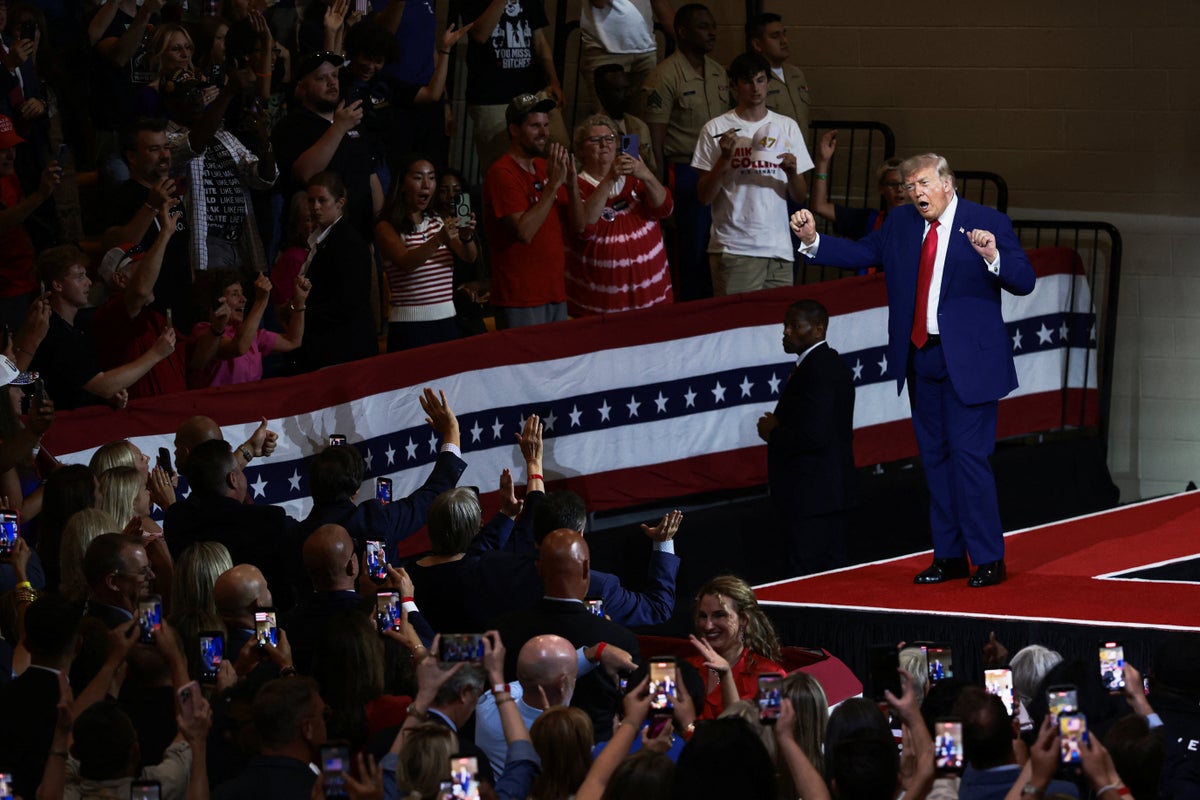
The media circus went into full meltdown when Donald Trump took the mic at a Georgia rally and tossed his hometown New York Mets under the bus. "They lose all the time," he told a crowd of screaming Braves fans.
The pundits rushed to their keyboards. They called it a gaffe. They claimed it was a desperate attempt to pander to local Georgia voters. They painted it as an unhinged rant from a politician who doesn't understand traditional sports diplomacy.
They got it completely wrong.
What the legacy media framed as a cheap shot was actually a masterclass in modern attention economics. While campaign strategists spend millions analyzing swing-state demographics down to the precinct level, Trump understood a fundamental truth about tribal psychology: political loyalty in America no longer flows through policy whitepapers—it flows through shared disdain.
I’ve spent over fifteen years analyzing media narratives and campaign communications. I've watched political operatives burn through eye-watering budgets trying to build carefully sanitized, hyper-local appeals that nobody remembers five minutes later. Watching the press misread this moment proves how far behind the beltway political apparatus really is.
Why Pundits Don't Understand Sports Pandering
The traditional playbook for a visiting candidate is simple, predictable, and utterly boring.
- Show up in the host city.
- Put on the local team’s jersey or hat.
- Praising the city's sports legends while clumsily mispronouncing a star player’s name.
- Pray the local voters buy the act.
Remember when John Kerry famously referred to Red Sox legend Manny Ramirez as "Manny Ortez"? Or when Mitt Romney tried to talk NASCAR? The public sees right through forced regional posturing. It feels calculated because it is.
Trump took that traditional playbook, set it on fire, and dumped the ashes over the Mets.
By bashing a New York team in front of a Georgia audience, he did three things simultaneously:
- He signaled authentic distaste over forced reverence. People hate fake fans more than they hate rival fans.
- He tapped into the deep-seated anti-New York sentiment that resides in almost every non-Northeast sports market.
- He generated millions in free earned media from outlets that couldn't resist running the exact same outraged headline.
The Economics of Negative Engagement
Let's talk numbers. Buying a broadcast TV ad package across the Atlanta metro market during prime election season costs millions. Reaching sports fans who actively tune out political ads is almost impossible for standard campaigns.
When a candidate says something mildly controversial about a baseball team, every sports blog, local TV affiliate, and national news desk covers it for free.
TRADITIONAL CAMPAIGN AD: High cost -> Low retention -> High skepticism
POLARIZING RALLY MOMENT: Zero cost -> High retention -> Massive organic reach
The competitor coverage treated this as a slip of the tongue. That’s naive. In the modern attention economy, anger and amusement are the two most viral emotions on the planet. Taking a swipe at the Mets delivers both. Braves fans get a laugh; Mets fans get outraged; political commentators get material for three news cycles.
Everybody wins, but the candidate wins biggest because he dictated the conversation without spending a single dime of donor money.
What People Also Ask: The Flawed Logic of Campaign Coverage
Did criticizing the Mets alienate New York voters?
This question assumes New York was in play to begin with, or that Mets fans vote as a unified sports bloc. It's a fundamental misunderstanding of electoral math. New York electoral votes aren't decided by stadium sentiment, and voters don't pick a commander-in-chief based on who they root for on Sunday. Tossing away points in a market you can't win to score points in a battleground state isn't a mistake—it's basic strategy.
Is attacking local sports teams bad strategy for politicians?
Only if you do it wrong. If you go to Atlanta and attack the Braves, you fail. If you go to Atlanta and attack a wealthy, big-market Northeast team that the local fan base already dislikes, you win. The context is everything.
The Real Myth: The Universal Fan
Political operatives still operate under the illusion of the universal voter who wants every candidate to be a bland, unoffensive sports enthusiast.
They want candidates to stand on stage and say, "I just love the game!"
Nobody loves "the game" in the abstract. Sports fandom is entirely built on rivalries, grudges, and irrational tribalism. You do not build a passionate fanbase by being nice to everyone; you build it by picking the right enemies.
The modern political rally isn't a policy debate. It's a sports arena. The crowd isn't there to hear detailed breakdowns of economic trade deficits; they are there to hear their team win and the rival team get mocked.
The Downside Nobody Talks About
Is there a risk to this style of communication? Absolutely.
When you convert political discourse into full-blown sports entertainment, you sacrifice nuance entirely. You trade long-term institutional respect for short-term media control. It creates an environment where actual policy discussion becomes completely impossible because it can't compete with the noise of daily rivalries.
If every political interaction becomes a home-team versus away-team mudslinging contest, governing becomes an afterthought. But strictly as a tactic for seizing control of a news cycle? It works every single time.
Stop Looking for Policy in Pop-Culture Moments
The media keeps analyzing these moments through a 1990s political lens, expecting traditional decorum and policy precision.
Stop waiting for candidates to act like traditional diplomats. The political game changed the moment attention became the primary currency of power.
The Mets lost that week on the field, but the pundits lost harder by failing to understand the game being played right in front of them.