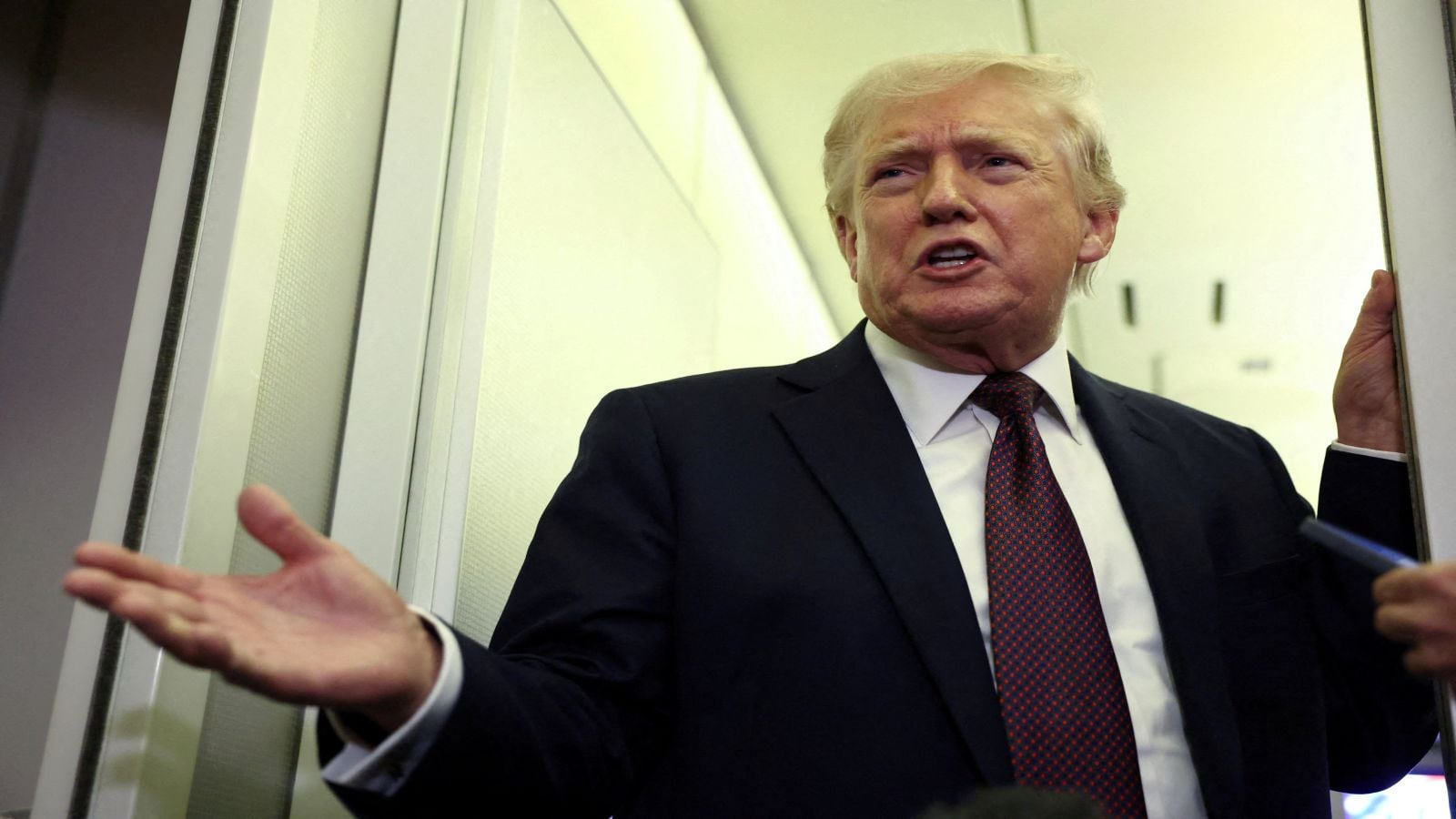
Donald Trump just threw a massive wet blanket on rumors that the United States is about to cut a multi-billion dollar check to Iran. Speaking to reporters at the G7 summit in Evian-les-Bains, France, Trump made it clear that while a groundbreaking diplomatic framework is on the table, American taxpayers aren't paying a single cent to fund it.
"We are not investing any money in Iran," Trump said flatly during a bilateral meeting with the Emir of Qatar. He called the rumors floating around international capitals "ridiculous."
The drama stems from a newly minted memorandum of understanding aimed at ending the military conflict that erupted earlier this year. The deal involves a 60-day ceasefire extension, a permanent ban on Iranian nuclear weapons, and the full reopening of the critical Strait of Hormuz. But when whispers emerged that a $300 billion reconstruction fund was part of the package, critics immediately weaponized the number. Trump hit back fast, insisting that the U.S. has no obligation to finance Tehran. If a fund happens, the cash is coming from somewhere else.
The Strategy Behind the Refusal
Trump's hardline stance on the money isn't just standard political theater. It's a calculated move to protect his domestic flank while keeping maximum pressure on Tehran. Critics of the administration remember when the Obama presidency unfreezed billions in Iranian assets during the 2015 nuclear accord, a move Republicans blasted for years. Trump has zero intention of repeating that playbook.
By drawing a hard line at zero U.S. dollars, Trump signals to his base that this deal is strictly transactional. Security for peace, not cash for compliance.
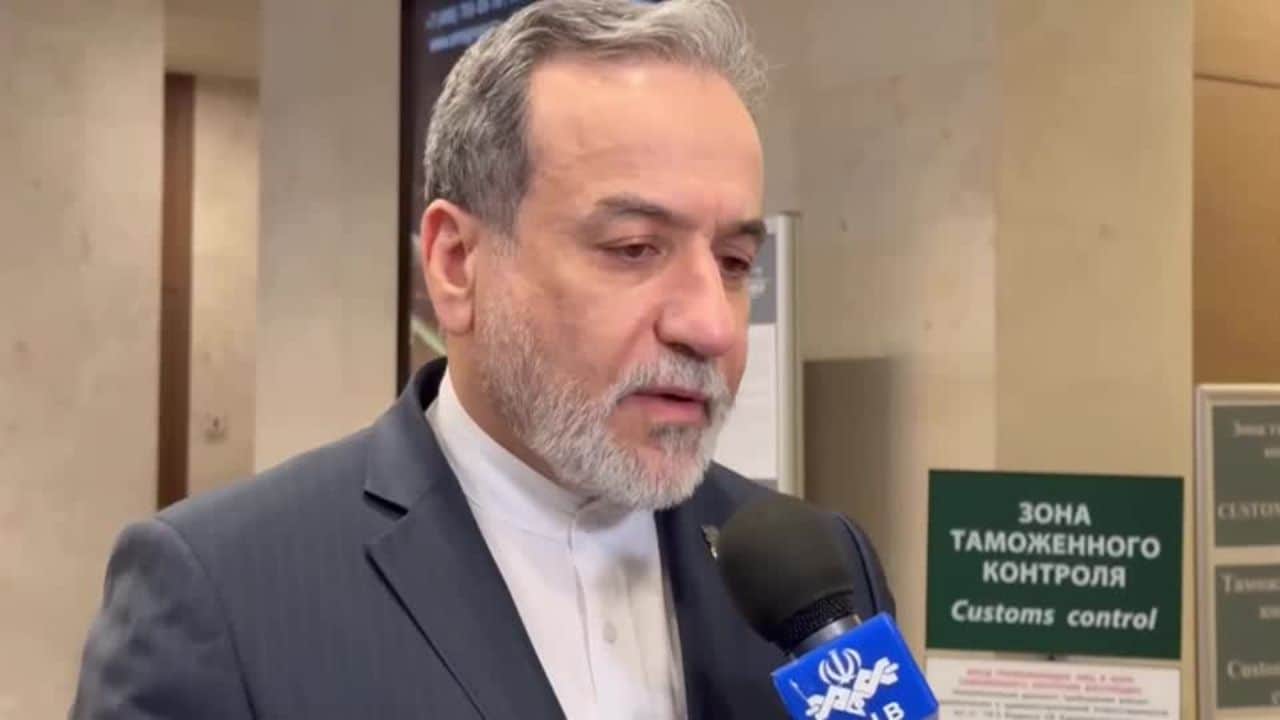
The strategy relies heavily on regional wealthy allies to shoulder the financial burden. Vice President JD Vance cleared up the mechanics of the plan, stating that the rumored $300 billion reconstruction fund would be entirely sourced from Gulf Arab states like Qatar and the United Arab Emirates, not the American treasury. Vance noted that these nations will only deploy capital if Tehran transforms its economy and starts acting like a normal country.
Shifting the Financial Burden to the Gulf
If the United States isn't paying, why are Gulf leaders sitting at the table in France? French President Emmanuel Macron explicitly invited non-G7 leaders from Qatar, the UAE, and Egypt to the summit to iron out these exact details. These regional powers have skin in the game. The blockades and military skirmishes in the Strait of Hormuz choked off global oil supplies, threatening their core economies.
The proposed reconstruction fund serves as a massive carrot, but it's heavily conditional. According to senior administration officials, any financial progress is strictly tied to performance benchmarks, starting with the verified reopening of the shipping lanes. The setup creates a distinct dynamic:
- Phase One: Iran stops uranium enrichment and opens the Strait of Hormuz.
- Phase Two: The U.S. completely lifts its naval blockade on Iranian ports.
- Phase Three: Gulf states selectively invest in Iranian infrastructure based on strict economic compliance.
This layout allows the Trump administration to claim a massive foreign policy victory without spending a dime of domestic revenue.
Congressional Pushback and the Real Risks
Despite the administration's confidence, the deal faces heavy skepticism back home. Capitol Hill isn't celebrating just yet. Republican lawmakers are currently withholding firm support for the memorandum of understanding, citing a distinct lack of transparency and detail in the text.
Many hardliners view any agreement with deep suspicion. Policy experts warn that a revolutionary regime bent on regional dominance won't easily abandon its core ideology for economic incentives. There's a real fear among congressional critics that Iran could use a temporary ceasefire to rebuild its conventional military strength, even if its nuclear ambitions are paused.
Trump dismisses these concerns, calling the Iranian officials "very rational people" to deal with when facing overwhelming leverage. He insists the deal moves to a second stage that will be much easier to execute. However, if Gulf nations hesitate to fund the reconstruction or if Iran violates the nuclear purity caps, the framework could collapse just as fast as it was put together.
For those tracking global energy markets and Middle Eastern stability, the immediate next steps are clear. Watch the shipping data in the Strait of Hormuz over the next 48 hours. If commercial tankers begin moving freely without localized harassment, the first major hurdle of this deal is officially cleared. Next, look for the formal signing of the document in Switzerland, which Trump announced will happen by the end of the week. That text will reveal exactly how deep the compliance benchmarks run.