We have all opened that specific drawer.
At the back, underneath a tangle of expired loyalty cards and a stray bobby pin, sits the graveyard of our skincare ambitions. It usually looks like a half-empty glass jar of something expensive that promised the moon, purchased during a late-night scroll fueled by exhaustion and quiet optimism. It smelled like artificial gardenias. It tingled in a way that felt suspiciously like irritation. After three days, it joined the collection. In other news, read about: The Keys We Carry Across Oceans.
Skincare is rarely treated as a routine. It is treated as an aspiration.
Consider Maya, a graphic designer who lives in a cramped apartment with a radiator that clanks like a loose pipe every winter. Maya does not want a twenty-step regimen involving serums that cost more than her electric bill. She wants five minutes in the morning where her face does not feel like parchment paper. She wants a product that actually delivers hydration without requiring a finance degree to decode the ingredient list. Glamour has also covered this important subject in extensive detail.
Most people approach beauty routines like crash diets. They buy the heavy artillery all at once, panic when their skin rebels against the sudden onslaught of potent actives, and retreat back to bar soap and regret.
The market knows this. The industry thrives on the cycle of impulsive purchase and quiet abandonment.
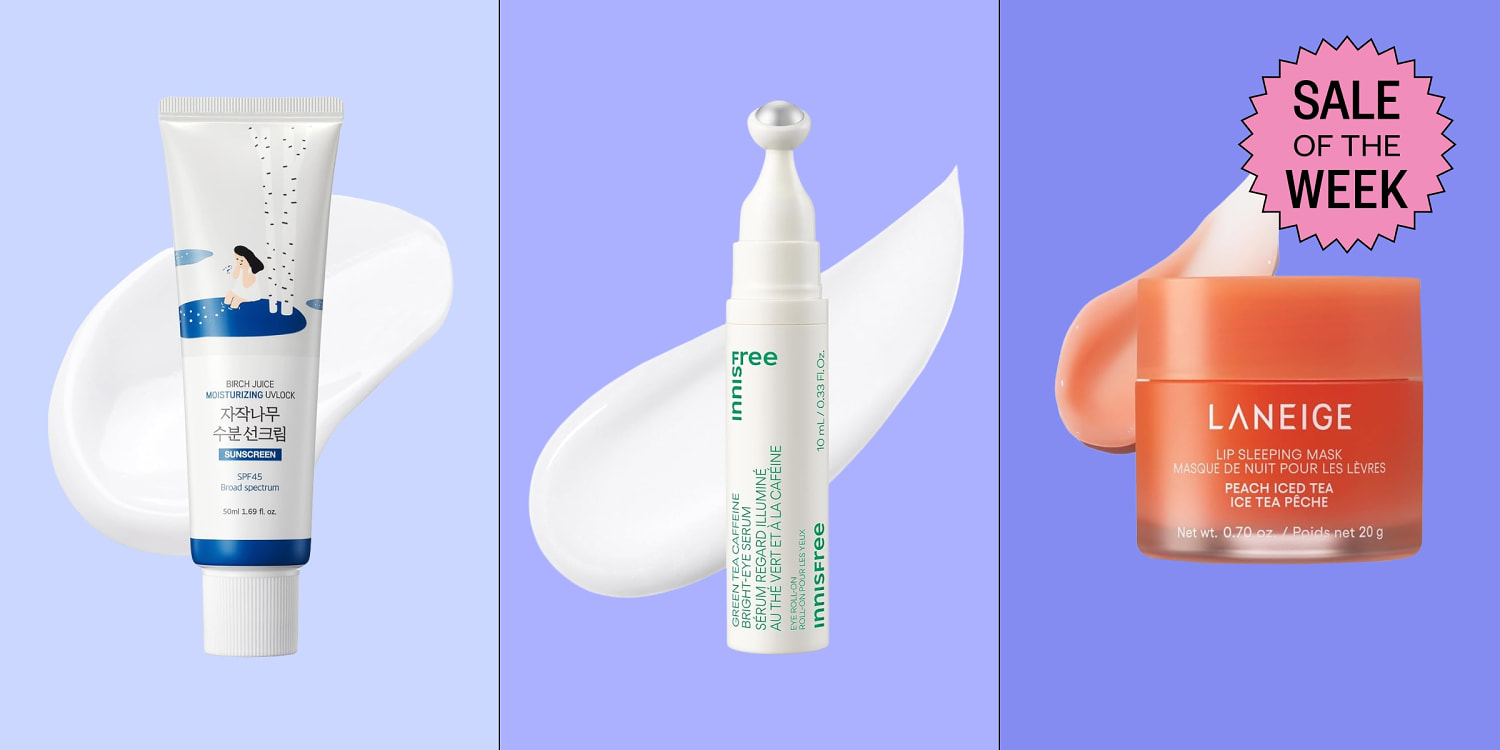
But this week operates differently. A quiet correction is happening across some of the most sought-after Korean beauty houses. Right now, major staples—the gel moisturizers that sink in before your coffee finishes brewing, the essences that actually plump tired winter skin, the sunscreens that leave zero white cast—are marked down by up to thirty percent.
This is not a clearance sale for products expiring in a basement. This is a rare window where accessibility meets formulation integrity.
To understand why this matters, you have to look past the aesthetic minimalism of glass bottles and pastel packaging. Korean formulation philosophy has long prioritized skin barrier health over aggressive exfoliation. While Western beauty historically chased the burn—the sensation that if a product does not sting, it is not working—K-beauty took the opposite route. It treated the skin like an ecosystem.
Think of your skin barrier as a brick wall. Aggressive treatments are like swinging a sledgehammer at the mortar just to clean the bricks. Hydration, fermentation filtrates, and centella asiatica are the mortar repair.
When you get thirty percent off on brands that actually respect that barrier, the math changes. It moves high-performance hydration out of the luxury tier and into the realm of daily maintenance.
Maya stood in the pharmacy aisle last Tuesday, holding a jar of domestic moisturizer priced at forty dollars. She looked at the ingredients. Water, mineral oil, fragrance, parabens. The functional ingredients were buried beneath marketing filler. For the same price point—or lower, given current market shifts—she could access fermented rice extracts and mugwort formulations that have centuries of traditional use backing their modern laboratory iterations.
The shift is palpable. People are tired of paying for the glass jar and the celebrity endorsement. They want efficacy. They want the specific snail mucin essence that looks unglamorous in the bottle but leaves skin looking like it actually gets eight hours of sleep.
Prices drop. Habits form.
This week’s discounts on top-tier K-beauty lines represent a rare alignment between consumer fatigue and market correction. It is an invitation to empty out the graveyard drawer and replace the guesswork with products engineered for actual human skin living in actual heated apartments.
The discount ends Sunday. The skin you live in stays with you much longer.