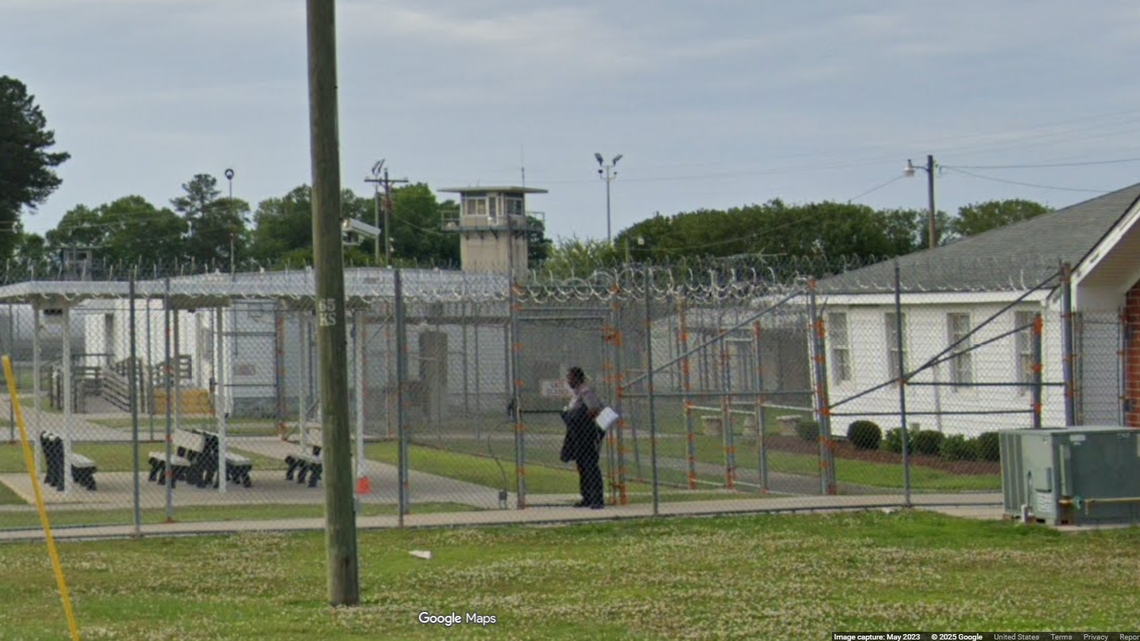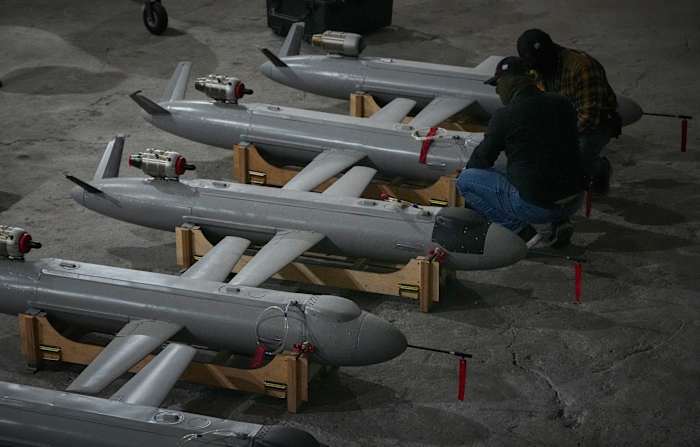
Mainstream media cannot resist a spectacular explosion. When a Ukrainian drone hits an oil facility in Russia, causing a massive fireball and a single tragic casualty, the headlines write themselves. The narrative is instantly set: a asymmetric David striking a crippling blow against the Russian Goliath, choking off the Kremlin’s war chest one refinery at a time.
It is a comforting story. It is also completely wrong.
The lazy consensus among defense analysts and talking heads is that tactical drone strikes on downstream energy infrastructure are a game-changing strategic lever. They are treated as proof that Ukraine can systematically dismantle Russia’s economic engine. In reality, these strikes are a textbook example of confusing tactical noise with strategic signal. They make for viral video content on social media, but they fundamentally misunderstand the mechanics of the global energy market and the resilience of heavy industrial infrastructure.
The Illusion of Vulnerability
To understand why these attacks fail to achieve their stated goals, you have to look at what happens after the smoke clears. The assumption is that hitting a refinery removes that capacity from the board permanently. Having spent years analyzing industrial supply chains and infrastructure vulnerability, I can tell you that heavy industry is remarkably difficult to kill.
A refinery is not a fragile house of cards; it is a sprawling, redundant complex designed to handle extreme heat, pressure, and volatile materials. When a drone strikes a distillation column or a storage tank, it causes a localized fire. It looks devastating on a smartphone camera. But in terms of long-term operational capacity, it is often a temporary setback.
Consider the engineering reality. Russia possesses massive industrial redundancy. When one unit goes offline, crude oil is simply rerouted to other domestic facilities, or the damaged components are bypassed. In many cases, automated safety valves isolate the damage within seconds, preventing the kind of systemic failure that would knock a facility offline for months. The West loves to point to sanctions as a barrier to repair, but the global black market for industrial components and automated control systems is vast and highly efficient. Components find a way through.
The Crude Reality of Energy Markets
The biggest flaw in the "strike the oil, stop the war" theory lies in basic economics. Russia is a primary commodity exporter. It does not fund its military machine by selling premium gasoline to domestic drivers; it funds it by exporting raw crude oil to global markets.
Here is the counter-intuitive twist: striking Russian refineries actually increases the volume of crude oil Russia can export.
When a domestic refinery slows down, the crude oil that would have been processed there doesn't disappear. It cannot simply be left in the ground without damaging the wells. Therefore, Russia is forced to export more raw crude to international buyers in India, China, and across the Global South. Because global markets price raw crude higher than the discounted refined products Russia sells domestically, the Kremlin can actually see net export revenues stabilize, or even increase, following disruptions to its internal refining capacity.
Imagine a scenario where a company’s retail storefront is damaged, forcing them to sell their raw inventory directly to wholesalers at a higher volume. The storefront is a loss leader; the wholesale operation is where the real margin lies. By forcing Russia to shift from exporting refined products to exporting raw crude, drone strikes inadvertently feed the global market exactly what it wants, keeping oil prices stable and ensuring Moscow’s cash flow remains uninterrupted.
The High Cost of Cheap Drones
The media loves the cost-benefit narrative of the $20,000 drone damaging a multimillion-dollar facility. It sounds like an unbeatable economic equation for Ukraine. But this math completely ignores the opportunity cost of the assets being deployed.
Long-range drone operations require deep intelligence networks, highly trained operators, scarce electronic warfare components, and significant logistical footprints. Every long-range drone sent to scratch the paint on a Siberian refinery is a drone not being used for deep interdiction on the actual battlefield.
While a refinery burns for 48 hours and then recovers, Russian logistics hubs, rail junctions, and command posts near the front lines continue to operate without friction. The obsession with symbolic, high-visibility strikes inside Russia diverts precious, high-tech resources away from the immediate tactical necessity: stopping the advance of Russian ground forces in the Donbas.
The Flawed Premises of "People Also Ask"
Look at the standard questions dominating public discourse around this conflict. The premises themselves are rotten.
- Do drone strikes on oil facilities hurt the Russian economy? Only at the margins, and only temporarily. The Russian state budget relies on oil tax revenues, which are pegged to global crude prices and export volumes, not domestic refining margins.
- Can Ukraine cut off Russia’s fuel supply? No. Russia produces far more fuel than its military and civilian populations consume. Even if 15% of its refining capacity were knocked offline permanently—an impossibly high hurdle—it would still have a surplus of refined products.
- Why doesn't the West encourage these strikes? Because Washington understands global energy mechanics. A genuine disruption to Russian energy exports would trigger an immediate spike in global oil prices, causing inflation in Western economies and eroding political support for Ukraine. The White House isn't being timid; it's being mathematically literate.
Redefining the Target List
If the goal is to actually disrupt the Kremlin’s operational capability, the target list needs to change radically. Stop chasing the spectacle of burning oil tanks. Focus instead on the narrow, irreplaceable bottlenecks that keep the Russian machine moving.
Instead of hitting sprawling refineries, the focus should shift to the rail networks and specific bridges that transport heavy armor and ammunition to the front. A destroyed bridge cannot be bypassed with a workaround valve. A twisted rail line stops an entire army corps in its tracks.
Furthermore, targeting the actual manufacturing plants that produce the specific components for Russian drones and missiles yields a far higher strategic return than hitting an oil depot. Disrupted electronics manufacturing cannot be quickly replaced by rerouting supply lines; it requires specialized cleanrooms, precise calibration tools, and highly specific expertise that cannot be easily smuggled.
The hard truth is that symbolic victories do not win wars of attrition. A column of smoke over an oil facility looks great on the evening news, but it does not shift the front lines by a single meter. It is time to abandon the theater of economic warfare and return to the brutal, unglamorous reality of tactical military disruption. Stop trying to starve the beast by pricking its thickest hide; strike the joints that allow it to move.