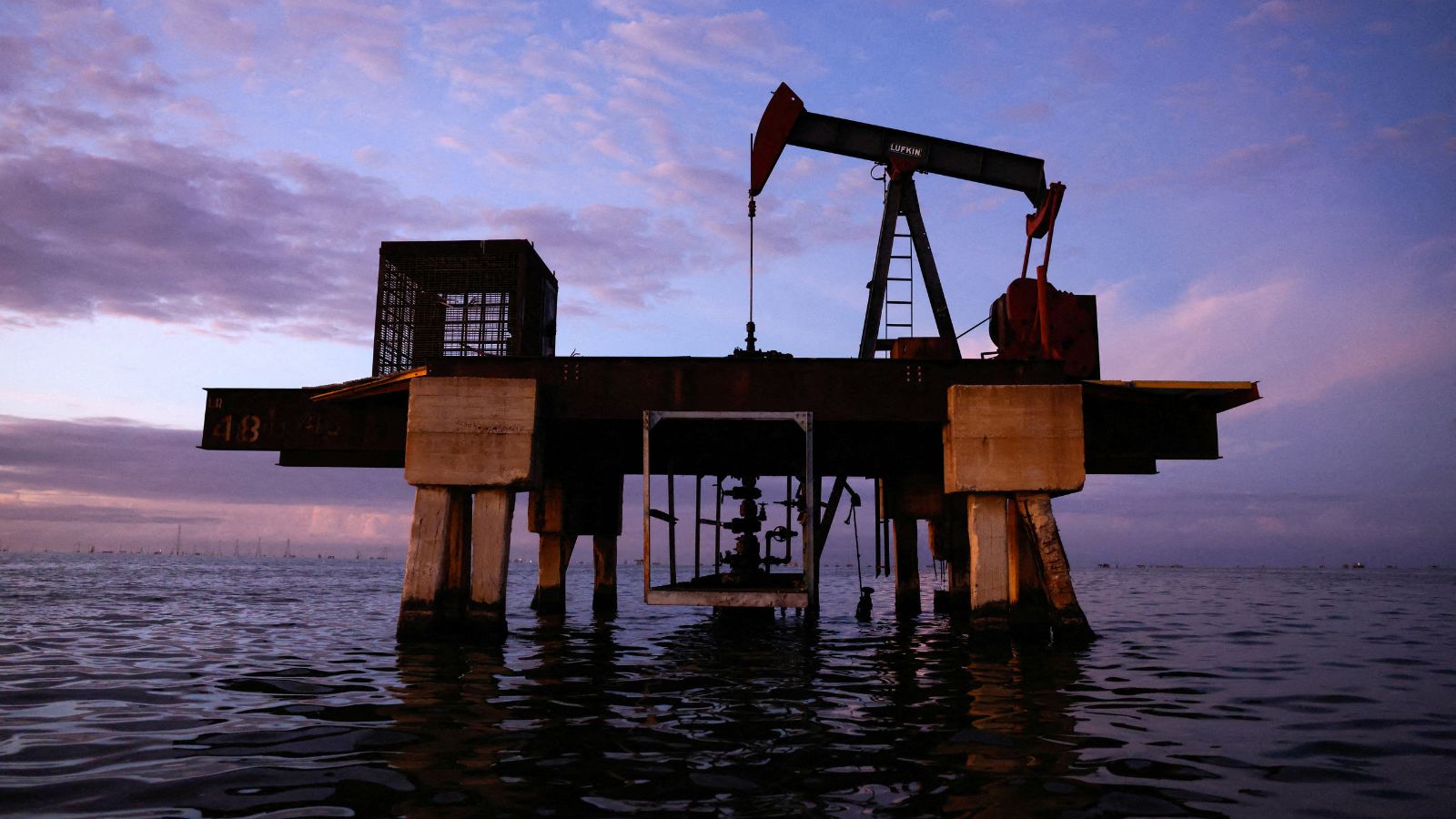
The ticker tape in a trader's mind moves differently when the smell of crude oil is in the air. You can almost taste the sulfur in the sleek, glass-walled offices of lower Manhattan, just as you can feel the dry, lung-stretching heat of a pump jack swinging rhythmically across an endless Texas horizon. For months, the price had hovered like a storm cloud, stubbornly refusing to break the psychological barrier of one hundred dollars a barrel. Every tick upward felt like a tightening screw on the global economy, squeezing commuters at the pump, manufacturers on the assembly line, and families trying to balance a grocery budget against a heating bill.
Then, a single phrase dropped from a microphone thousands of miles away, and the floor fell out.
Oil tumbled below one hundred dollars.
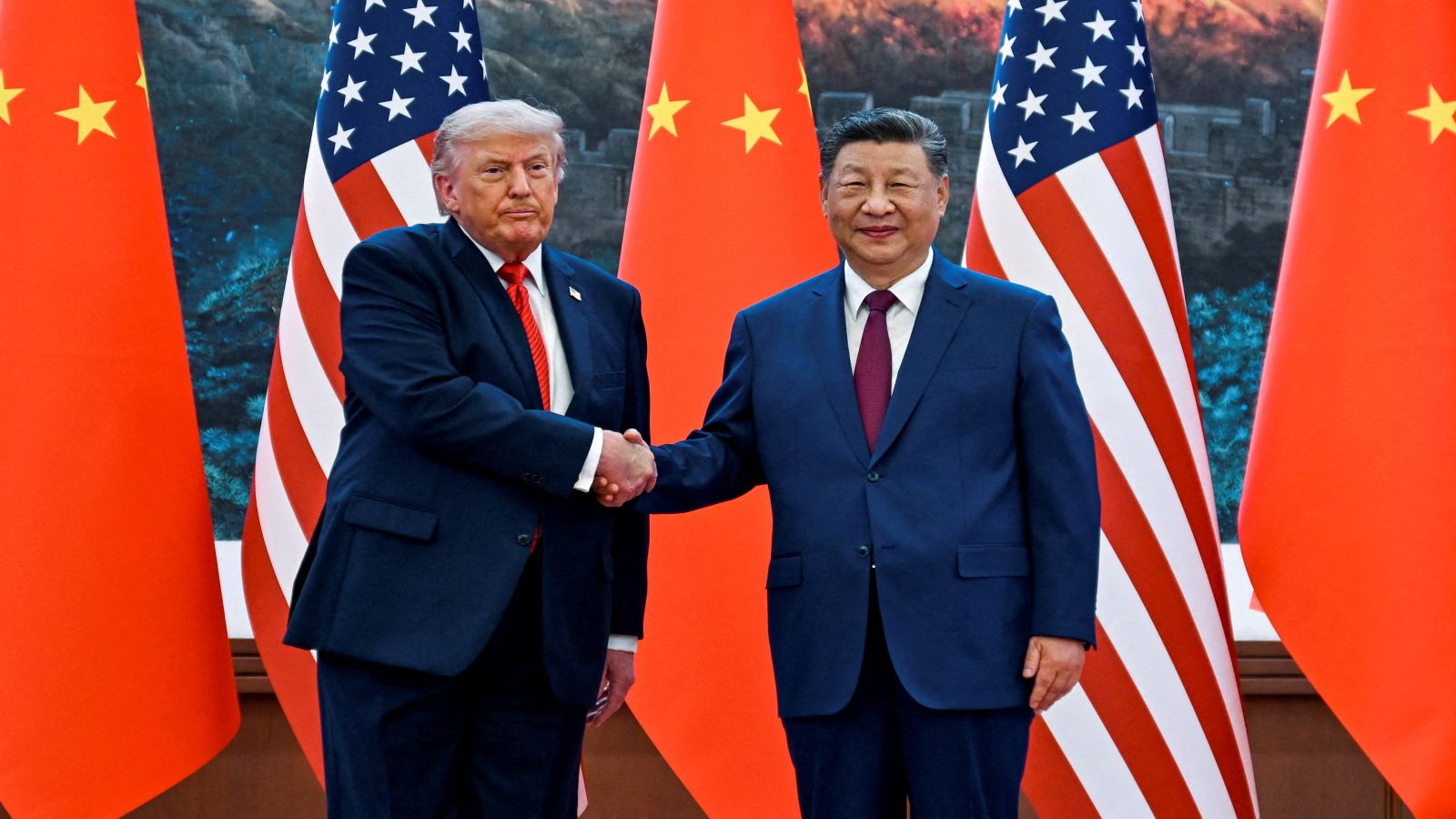
To understand why a few words uttered by Donald Trump regarding a potential reopening of talks with Iran could cause billions of dollars in market value to evaporate within minutes, you have to look past the spreadsheets. You have to look at the human cost of a barrel of West Texas Intermediate or Brent crude.
Consider a man named Arthur. He lives just outside of Midland, Texas. He doesn't trade futures contracts on a Bloomberg terminal. He wears heavy denim, carries a thermos of black coffee that gets cold by mid-morning, and spends his days maintaining the mechanical lungs that pull black gold from the Permian Basin. When oil prices sit high, Arthur’s phone stays quiet, which means he is working fourteen-hour days, breathing in the metallic tang of heavy machinery, pulling overtime so his youngest daughter can think about college. High prices are his bread, even as they are someone else's poison.
Down in Tehran, another man watches the same charts flicker on a screen in a concrete government building. His name is irrelevant; his reality is not. For years, the Iranian economy has been choked by a web of international sanctions, its massive oil reserves sitting tantalizingly close to the surface while aging pipelines rust and tankers wait in shadowy waters. To him, a sudden drop in global prices driven by a hint of renewed diplomatic engagement is both a threat and an open door. It whispers of a future where Iranian crude could flow freely again, flooding an already anxious market, but it also signals immediate vulnerability. If the world thinks peace or at least a conversation is coming, the urgency of scarcity vanishes.
Markets hate uncertainty, but they fear sudden relief even more when that relief implies an impending flood of supply.
When the news broke that Trump was signaling an openness to dialogue—a sudden pivot from maximum pressure to potential negotiation—the algorithmic traders didn't wait to see if a handshake would actually happen. Wall Street operates on anticipation, not outcomes. The mere specter of Iranian barrels returning to the global export market means millions of barrels of potential supply waiting to burst through a political dam.
Supply and demand. It sounds so clinical, so academic, written on a whiteboard in an economics lecture hall. But behind that law of supply and demand are human beings making desperate calculations.
Think about the European factory owner watching his natural gas and electricity bills soar month after month, wondering if he will have to lay off half his workforce before the winter frost sets in. For him, oil tumbling below one hundred dollars isn't a financial statistic; it is oxygen. It is the margin that keeps his foundry open. It is the difference between keeping local families employed and locking the heavy steel doors for good.
Conversely, look at the sovereign wealth funds in the Gulf states, where majestic skylines rise from the sand. Every dollar drop in the price of a barrel shaves millions off national budgets designed to transition entire societies away from fossil fuels. They watch these American political maneuvers with a mix of exhaustion and tactical calculation. A president tweets, a market reacts, and nations adjust their multi-decade strategic visions in the span of a single afternoon.
The modern global energy market is a delicate, hyper-connected spiderweb. Pull one thread in Washington—a sudden hint of detente, an unexpected diplomatic overture—and the vibration is felt instantly by an oil rig worker in the Permian, a tanker captain idling in the Persian Gulf, and a commuter pumping gas into a sedan in suburban Chicago.
We forget, in our obsession with the numbers, that every trade is a bet on human behavior. We are betting on whether politicians will keep their tempers, whether shipping lanes will stay open, and whether people will drive less or more next month.
When oil tumbled below that triple-digit psychological ceiling, it did more than correct a technical indicator. It reminded everyone that the global economy remains tethered to the oldest commodity of the modern age. It showed how quickly fear can give way to hope, and how easily hope can shatter the pricing power of petrostates and drillers alike.
Arthur walked out of the equipment shed that afternoon, pulling off his leather work gloves and wiping a smudge of grease from his forehead. He checked his phone. The price was down. The market was shifting. He didn't know anything about diplomatic back-channels or the nuances of geopolitical strategy. He only knew that the rhythm of the pump jacks around him had been turning for decades, long before any politician started talking, and long after the ticker tapes stopped scrolling.
The price dropped. The world kept spinning. And somewhere out on the dark water, a tanker adjusted its course.