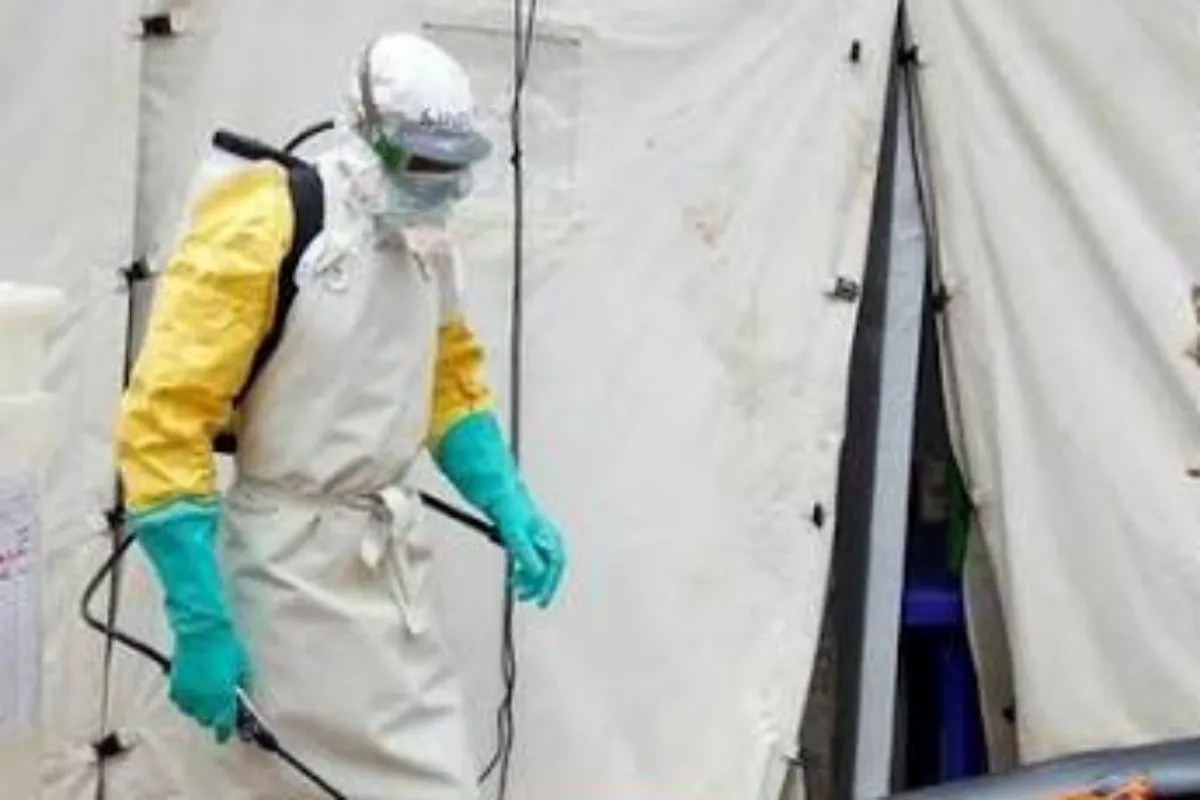
The numbers coming out of central Africa are terrifying. Over 11,000 confirmed cases and more than 5,400 deaths. This isn't just another medical footnote. The current Ebola outbreak driven by the Bundibugyo virus strain in the Democratic Republic of the Congo (DRC) has blown past previous infection milestones, leaving public health systems buckling under the pressure.
When the threshold of 8,000 cases was breached earlier, experts warned that containment strategies were falling short. Now, months later, the trajectory proves that porous borders, violent conflict, and deep-seated community mistrust are deadlier than the pathogen itself. If you think this is a localized issue confined to remote jungle villages, you haven't been paying attention to how fast modern regional transit can move a lethal virus. Meanwhile, you can read related stories here: Inside the Landmark Dutch Case of Child Euthanasia That Changes Everything.
The Brutal Toll on the Most Vulnerable
Children are bearing the heaviest brunt of this epidemic. Recent data from UNICEF and the World Health Organization shows that minors account for over a quarter of confirmed infections and a staggering one-third of total fatalities. Worse still, about 70 percent of children under five who contract the virus fail to survive.
Why are kids dying at such catastrophic rates? Part of the issue is delayed access to specialized care, compounded by systemic malnutrition and weak baseline immunity across conflict-torn regions like Ituri and North Kivu. Families are scared. When local health posts get attacked or lack basic supplies, parents hesitate to bring in sick kids until it's entirely too late. To understand the full picture, check out the excellent article by WebMD.
Why This Strain Is Testing Medical Limits
Every Ebola outbreak behaves a bit differently depending on the specific viral strain. This 2026 crisis stems from the Bundibugyo virus, which historically lacks the extensive therapeutics and specific vaccines ready off-the-shelf compared to the Zaire strain.
While diagnostic labs have scaled up from just two facilities to over two dozen, treatment centers face constant logistical nightmares. Healthcare workers are operating in active conflict zones where armed groups routinely disrupt supply chains. Over 100 treatment and transit centers are trying to hold the line, but medical staff are stretched dangerously thin. Around 3,000 patients have managed to beat the odds and recover, but thousands more are flooding facilities faster than beds can be sanitized.
Spreading Past Borders
Controlling a hemorrhagic fever is hard enough inside a stable nation. Doing it in a region fractured by displacement and cross-border trade is nearly impossible. Recent weeks proved this fear valid when imported cases popped up in neighboring countries like Kenya and Nigeria.
While swift contact tracing and quarantine protocols managed to clamp down on immediate secondary spread in those instances, the threat of a wider continental footprint remains high. Millions of people inside DR Congo face severe food insecurity, meaning weakened immune systems are mingling with active community transmission paths. Hunger drives movement, and movement drives contagion.
What Needs to Happen Right Now
Throwing money at a crisis from thousands of miles away doesn't stop bleeding veins. International donors pledged billions through organizations like the Africa CDC, but much of that cash sits trapped in bureaucratic bottlenecks instead of reaching frontline responders on the ground.
First, funding must translate immediately into localized medical supplies, hazard pay for frontline nurses, and mobile testing units. Second, humanitarian corridors must be secured through local ceasefires so health teams can enter red-zone villages without risking their lives. Trust isn't won at gunpoint; it's earned by working directly with community elders, respecting local burial customs safely, and ensuring transparent care.
If global health agencies don't fundamentally change how they deploy resources into active conflict zones, history will repeat itself with an even higher body count.


