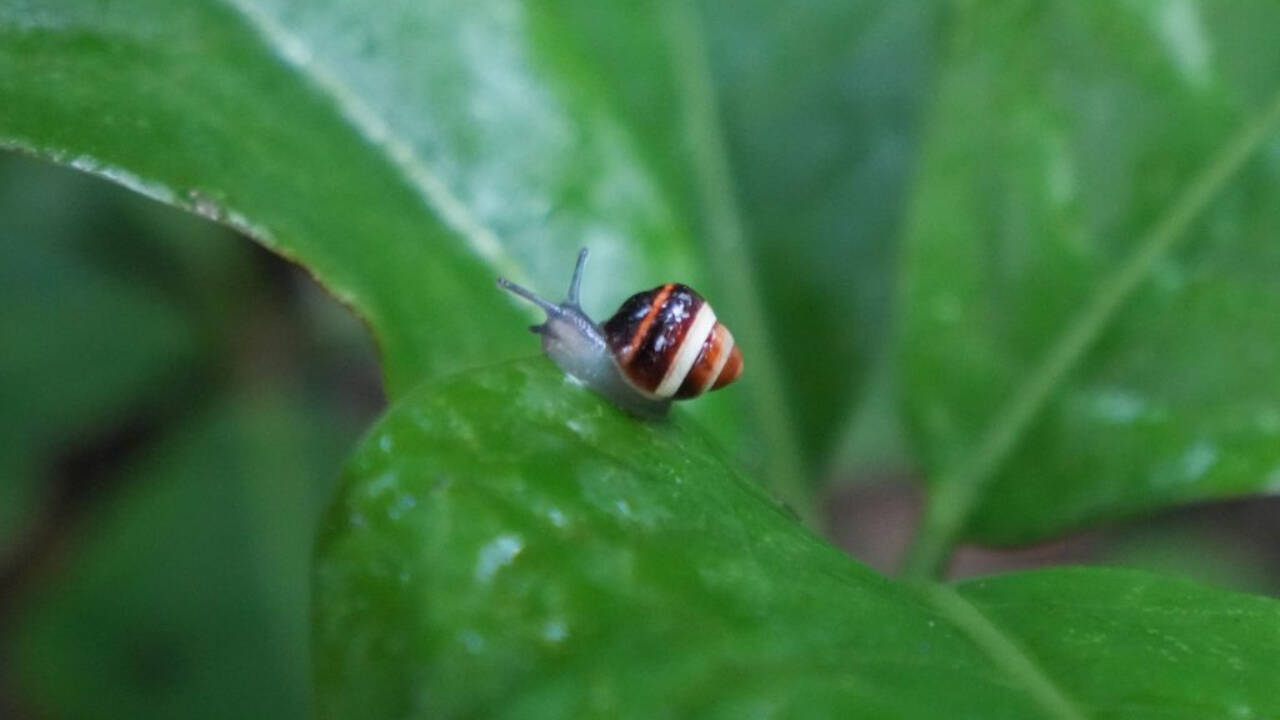
Biological control interventions frequently fail when introduced species undergo unchecked trophic expansion. In 1955, the introduction of the predatory rosy wolfsnail into Hawaiian ecosystems to manage agricultural pest populations initiated an unintended cascade that decimated endemic mollusk lineages. Modern conservation biology relies on infrastructural and genetic isolation to reverse decades of ecological degradation, transforming laboratory-reared lineages into self-sustaining wild populations through targeted habitat management.
The systemic failure of the initial biocontrol deployment stems from a fundamental error in predator-prey target specificity. Management initiatives targeted the giant African snail, an invasive herbivore causing agricultural damage. However, the introduced predator exhibited broad dietary plasticity within the local malacofauna. Endemic Hawaiian tree snails, characterized by slow reproductive cycles and arboreal niches, possessed no evolutionary adaptations against a terrestrial carnivorous predator. Consequently, species such as Achatinella fuscobasis experienced catastrophic population contractions, culminating in functional extinction across natural landscapes by 1991.
Preventing permanent extinction requires aggressive intervention at the population bottleneck threshold. In 1991, field researchers collected the final eleven surviving individuals of Achatinella fuscobasis from O'ahu. This rescue operation preserved the remaining genetic diversity, which served as the foundation for a multi-decade captive breeding program managed by the Snail Extinction Prevention Program, the U.S. Fish and Wildlife Service, and academic partners. Laboratory protocols required replicating specialized fungal diets on petri dishes to sustain nutritional intake, scaling the population from eleven founders to over one thousand specimens.
Reintroducing captive lines into unmanaged environments guarantees failure due to persistent baseline predation. Therefore, contemporary restoration strategy utilizes physical exclosures. These are specialized, predator-proof fenced parcels designed to exclude terrestrial threats, including remaining rosy wolfsnails, introduced rats, and invasive chameleons. Within a protected quarter-acre enclosure in the Ko'olau Mountains, conservationists established a transitional habitat where lab-conditioned specimens encounter natural climatic variables—such as mist, wind, and ambient temperature fluctuations—without immediate predation pressure.
Long-term population viability depends on generational continuity rather than single-event releases. Endemic tree snails exhibit low fecundity, producing only a small number of offspring annually, which extends recovery timelines across decades. Scaling these initiatives requires expanding exclosure acreage, refining captive propagation metrics across multiple zoological institutions, and maintaining genetic diversity to prevent inbreeding depression. The transition of these species back into native forests marks a structural shift from passive preservation to active ecosystem remediation, though complete ecological restoration remains constrained by unmanaged external predator densities across the broader landscape.