The trajectory from restoring a historic maritime vessel to acquiring a multi-million-pound Highland fortress represents a fascinating case study in lifestyle asset conversion and capital redeployment. When individuals pivot from niche historic preservation to high-value real estate ownership, the underlying mechanics involve distinct phases of risk management, equity growth, and public-facing brand positioning. Media coverage frequently frames such transitions as romantic fairy tales of passion projects yielding accidental windfalls. A rigorous examination reveals a calculated progression of asset-backed wealth management, strategic PR monetization, and real estate positioning within the Scottish property market.
The Preservation Phase as Brand Equity
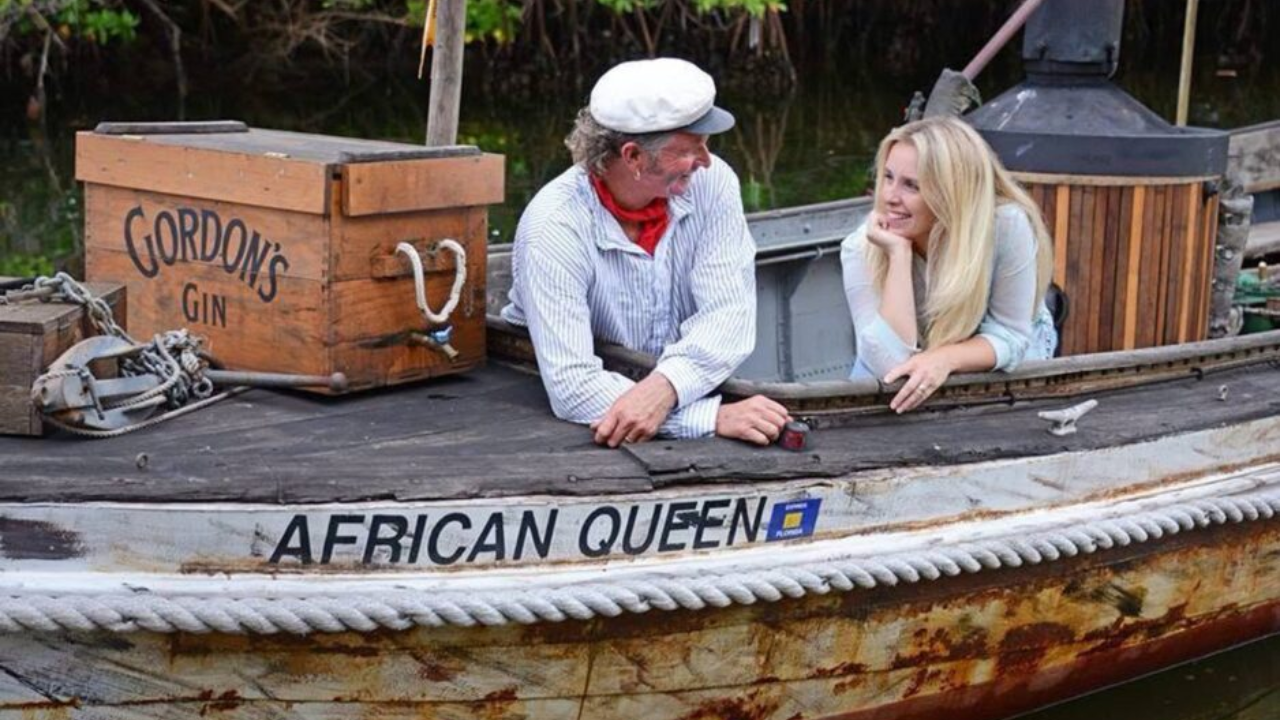
Restoring a culturally significant artifact like the steam boat African Queen functions primarily as a high-visibility proof of concept. Historical restoration projects typically operate at a negative cash flow during their initial phases, requiring substantial capital expenditure for specialized labor, authentic materials, and regulatory compliance.
The economic rationale behind undertaking such a venture relies on intangible asset valuation. By successfully rescuing a globally recognized cultural property, the operators establish immediate credibility, media access, and public goodwill. This intangible equity lowers future friction when acquiring larger, more complex properties. The media narrative generated by rescuing a cinematic icon creates a permanent digital footprint, serving as a free marketing engine that attracts high-net-worth investors, tourist revenue, or corporate partnerships for future ventures.
The Asset Transformation Funnel
- Phase One: High-cost, low-yield physical restoration of a culturally unique item to establish baseline market credibility.
- Phase Two: Media capitalization, leveraging the restored asset for documentary, tourism, or public relations visibility.
- Phase Three: Capital realization, where the goodwill and network generated are redirected toward high-value illiquid assets.
The Scottish Castle Acquisition Matrix
Moving from a moveable historic artifact to a fixed-estate asset like a £3.9 million Scottish castle involves a fundamentally different financial architecture. Castles are notoriously difficult to monetize through traditional residential metrics. They carry exorbitant maintenance liabilities, specialized heating overheads, and stringent historic preservation easements dictated by government bodies like Historic Environment Scotland.
Acquiring such a property requires evaluating three distinct cost centers:
- Structural CapEx: Addressing chronic issues such as dry rot, masonry degradation, roofing integrity, and outdated electrical grids.
- Operational Burn Rate: Ongoing staffing, insurance, security, and specialized maintenance contracts required to prevent structural decay.
- Revenue Generation Potential: The capacity to offset holding costs via commercial ventures, including hospitality, high-end private events, film location leasing, or agricultural subsidies.
Without a diversified revenue model, a historic Scottish estate functions purely as a liability sink. Successful owners typically bypass pure residential use, transforming the physical footprint into a hybrid commercial enterprise. This shifts the tax profile of the asset, allowing certain restoration costs to be written off or subsidized through commercial development grants.
The Capital Allocation Mechanics
Evaluating the leap from a classic boat to a multi-million-pound estate highlights how private capital moves between non-correlated asset classes. Heritage assets operate on emotional valuation curves, whereas estate properties are dictated by macro-environmental factors, regional tourism trends, and shifts in luxury hospitality demand.
The acquisition of a £3.9 million property implies access to sophisticated liquidity instruments, whether through private equity syndication, leveraged debt products secured against primary business interests, or the monetization of prior intellectual property. The romanticized version suggests that loving historic preservation naturally funds itself. The mechanical reality demonstrates that heritage projects serve as credibility markers that unlock access to larger commercial syndicates and high-net-worth lending facilities.
Operating a remote Scottish estate introduces severe logistical bottlenecks. Supply chains for specialized stone masonry, bespoke carpentry, and localized utility management inflate operational expenses far beyond urban benchmarks. Consequently, the financial viability of such an acquisition depends entirely on the owner's ability to vertically integrate hospitality operations, securing high daily rates from international luxury travelers or corporate retreat organizers to offset the baseline maintenance coefficient.
The Strategic Play
Transitioning from niche maritime artifacts to monumental real estate requires rigorous operational discipline rather than sentimental attachment. Future viability depends on eliminating dependency on volatile tourism micro-markets by establishing a diversified digital and physical ecosystem. The asset must generate multi-channel revenue streams—combining high-end experiential hospitality with digital content monetization documenting the preservation process itself. Treat the historic envelope as a dynamic media studio and commercial stage, ensuring that the structural liabilities of the estate fund their own preservation through aggressive commercial positioning.