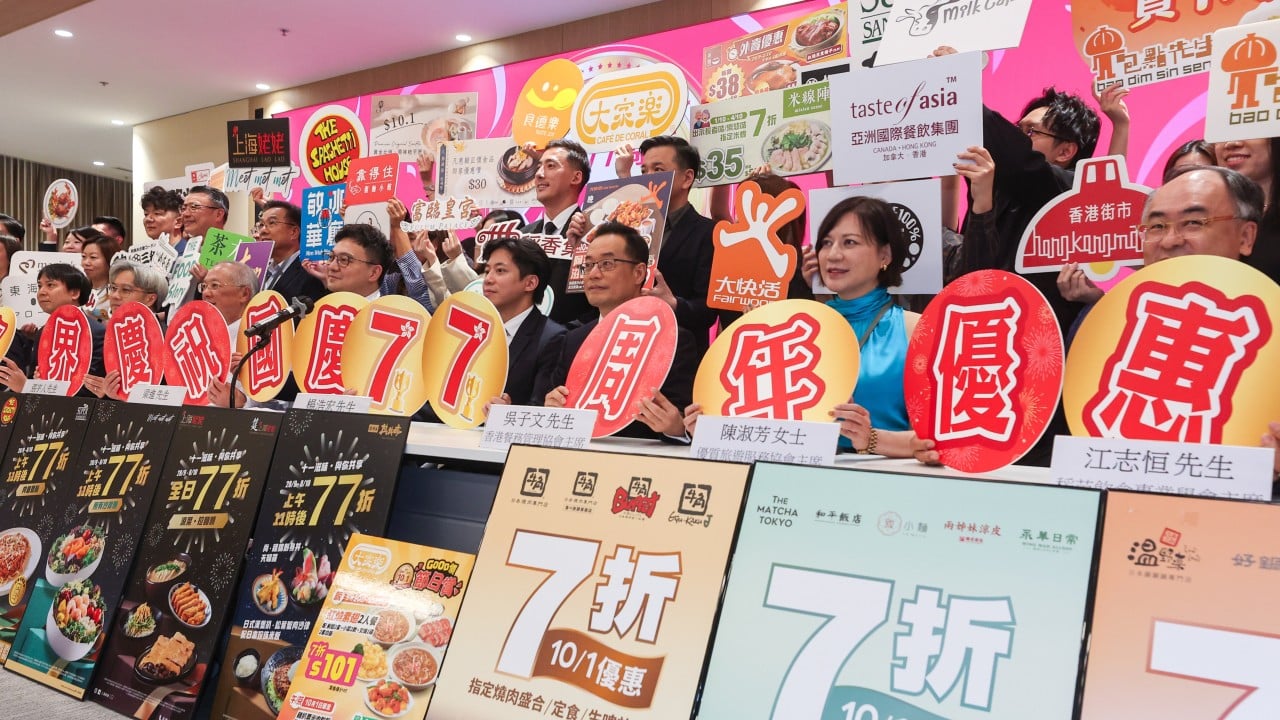
Mass promotional campaigns enacted across retail and food service sectors typically function as blunt instruments for demand stimulation, yet their underlying mechanics reveal complex trade-offs between volume generation and margin erosion. When nearly four thousand food outlets across a major metropolitan market coordinate price concessions of up to thirty percent to coincide with a high-profile civic holiday, the intervention ceases to be a mere marketing tactic and transforms into a systemic macroeconomic event. Understanding the efficacy of such large-scale discounting requires a rigorous examination of fixed cost absorption, elasticity of demand, and the structural pressures facing urban hospitality operators.
The Cost Function of Urban Food Service
Operating a food service establishment in a densely populated, high-rent environment is fundamentally governed by a rigid cost structure. Fixed overhead expenses, predominantly commercial rent and baseline labor, consume an outsized proportion of gross revenue. Variable costs, including raw ingredient procurement and utilities, scale more predictably with volume, but they remain secondary to the crushing imperative of covering fixed liabilities.
When foot traffic contracts due to macroeconomic headwinds, changing consumer spending habits, or outbound travel trends, the average cost per transaction rises sharply. Because fixed expenses do not compress with declining patronage, every empty seat represents unrecoverable capital depreciation. Under these operating conditions, the marginal cost of serving an additional customer drops close to the raw cost of the ingredients plus incremental labor.
Price concessions offered during coordinated civic promotions operate on this exact margin asymmetry. By discounting menu items by up to thirty percent, operators sacrifice nominal gross margin per unit in exchange for volume that can cover fixed overhead that would otherwise default to net loss. The strategic gamble rests on inventory liquidation and capacity utilization rather than immediate profit maximization.
Demand Elasticity and Consumer Response
The decision by thousands of establishments to lower prices simultaneously introduces a market-wide shock that alters consumer elasticity curves. Standard economic theory posits that lower prices increase quantity demanded, but the food service sector exhibits distinct behavioral anomalies during widespread promotional events.
Price sensitivity among urban diners varies significantly by segment. Casual dining, fast-casual, and quick-service venues experience high price elasticity; a thirty percent reduction in cost triggers a proportional or greater increase in transaction volume. Conversely, premium and fine-dining establishments face inelastic demand curves where steep discounts fail to generate sufficient volume to offset brand dilution.
When promotional activity scales to encompass nearly four thousand disparate operators, the aggregate effect creates a temporary substitution and income effect across the local populace. Consumers redirect discretionary spending toward dining out rather than home preparation, while also trading up within menus because the perceived discount lowers the psychological barrier to luxury additions. However, this elasticity is rarely permanent. Once promotional pricing expires, demand frequently dips below baseline as consumers pull forward future consumption during the discount window.
Operational Bottlenecks and Execution Friction
Deploying a coordinated promotional strategy across thousands of independent merchants introduces severe execution friction. Unlike centralized corporate chains that can deploy uniform point-of-sale updates and supply chain adjustments overnight, a fragmented market of independent food outlets struggles with operational synchronization.
Inventory forecasting represents the primary point of failure during mass discounting events. Underestimating demand leads to stockouts, service delays, and severe customer dissatisfaction, which permanently damages brand equity. Conversely, overestimating demand results in massive food waste and inventory spoilage, directly neutralizing the cash flow benefits of increased volume.
Labor allocation compounds this friction. Kitchen and front-of-house staffing models are typically optimized for historical baseline traffic. A sudden surge in transaction volume driven by price concessions creates operational bottlenecks. Kitchen display systems become overwhelmed, ticket times expand, and table turnover rates plummet. If the increase in transaction count fails to compensate for the reduction in average ticket size, the venue experiences a net negative operational return despite the illusion of a packed dining room.
The Structural Impetus Behind Market-Wide Concessions
The decision of thousands of venues to participate in coordinated price reductions points to structural distress rather than opportunistic marketing. Urban restaurant markets facing prolonged structural shifts in consumer behavior require aggressive cash flow generation to service debt and stave off insolvency.
Commercial landlords and banking partners exert continuous pressure on operators to maintain baseline top-line revenue numbers, even if profitability per transaction is severely compromised. Cash velocity becomes more important than net margin during periods of systemic liquidity pressure. By participating in large-scale civic promotions, operators signal activity to lenders, landlords, and supply chain partners, maintaining the illusion of commercial viability while clearing aging inventory.
Furthermore, destination marketing plays a critical role. When a city-wide initiative brands an entire region as a discounted dining hub, it combats the persistent threat of outbound tourism. Keeping local residents within the domestic economy during a holiday prevents capital flight to neighboring jurisdictions.
Strategic Implications for Operator Longevity
Mass discounting campaigns serve as a temporary band-aid rather than a sustainable business model. Operators who rely on continuous price promotion to drive volume rapidly enter a destructive race to the bottom, eroding brand equity and training consumers to reject full-price menus.
The long-term viability of high-density food service markets depends on yield management sophistication rather than blunt price slashing. Operators must transition toward dynamic pricing models, menu engineering that protects contribution margins, and labor optimization that matches variable staffing to real-time predictive analytics. Coordinated civic promotions remain an effective tool for emergency liquidity generation and inventory clearing, but their structural limits dictate that they can only function as short-term market corrections.