The announced reunion of the Charlie’s Angels cast at PaleyFest L.A. 2026 is not merely a commemorative event; it is a high-stakes execution of Legacy Asset Optimization. As the franchise hits its 50th anniversary, the organizers are navigating the "diminishing returns of nostalgia," where the physical scarcity of original cast members meets an apex in market demand. This event serves as a case study in how intellectual property (IP) holders manage the lifecycle of a brand that has transitioned from active media to a permanent cultural artifact.
The Architecture of the 50 Year Value Peak
In the entertainment industry, the 50th anniversary represents a terminal velocity for original-cast reunions. This is dictated by the Actuarial Decay of IP Relevance. For a show that premiered in 1976, the primary demographic—those who experienced the initial broadcast—is entering a phase of wealth transfer and peak disposable income, yet the "supply" of the original creators is naturally restricted by age.
PaleyFest’s strategy utilizes three distinct pillars to maximize the utility of this specific reunion:
- Scarcity Modeling: Unlike recurring reboots, a physical gathering of the 1970s cast is a non-renewable resource. By positioning this as a "reunion," the Paley Center creates an event where the value is derived from the presence of the actors rather than the consumption of the content.
- Cross-Generational Bridge Building: The 1976 series is the foundation for a multi-billion dollar ecosystem including the McG-directed 2000s films and the 2019 Elizabeth Banks iteration. The reunion functions as a validation of the "Ur-text," reinforcing the brand’s durability for future licensing.
- Institutional Validation: Hosting the event under the Paley Center for Media banner elevates the show from "pop culture" to "media history." This transition is critical for maintaining high licensing fees for streaming platforms, as it justifies the series' placement in "Prestige Classics" categories.
The Mechanized Sentiment of the Charlie’s Angels Brand
The success of Charlie’s Angels was never a byproduct of complex narrative structures. Instead, it operated on a Functional Archetype System. Each character served a specific psychological function for the audience, creating a modular formula that allowed for cast changes (Farrah Fawcett to Cheryl Ladd, etc.) without collapsing the brand.
This modularity is why the 50th anniversary carries more weight than reunions of serialized dramas. Because the "Angels" are archetypes, the reunion is an assembly of symbols rather than just actors. The logic of the 1976-1981 run relied on:
- The Prototypical Procedural: It established the "contractor" model of storytelling, where a central, unseen authority (Charlie) provides the impetus for action. This minimized overhead on character development and maximized "Problem-Solution" pacing.
- The Aesthetic Alpha: The series pioneered the use of high-production-value fashion as a core narrative driver. In 2026, this translates into a significant "vintage" appeal that resonates with Gen Z audiences who consume the 1970s aesthetic via digital resale and social media trends.
Evaluating the Friction of Physical Cast Gatherings
While the 50th anniversary is a marketing triumph, the operational reality of such an event involves significant Reputational Risk Management. In a live setting like PaleyFest, several variables must be controlled to prevent the "Disillusionment Dip"—the moment when the reality of aging stars conflicts with the frozen-in-time image held by the fanbase.
The bottleneck in these events is often the Narrative Gap. Actors who have spent decades distancing themselves from a "jiggle TV" label must now reconcile their modern professional identities with a role they played 50 years ago. The Paley Center manages this by shifting the focus toward "Industry Impact" and "Social Progress," re-framing the show as a pioneer of female-led action. This isn't just PR; it is a necessary recalibration to ensure the IP remains "brand-safe" in a 2026 cultural environment.
The Revenue Waterfall of the Anniversary Event
The PaleyFest reunion is the "Lead Magnet" in a much larger financial waterfall. To understand the strategy, one must look past the ticket sales of a single night in Los Angeles.
Syndication and Streaming Uplift
Classic TV series experience a measurable "Engagement Spike" surrounding major anniversaries. Data suggests that a high-profile reunion can increase streaming minutes for the original series by 15-25% in the following quarter. For the rights holders, this translates into higher leverage during contract renewals with platforms like Pluto TV, Tubi, or Amazon Prime.
The Merchandising Lag
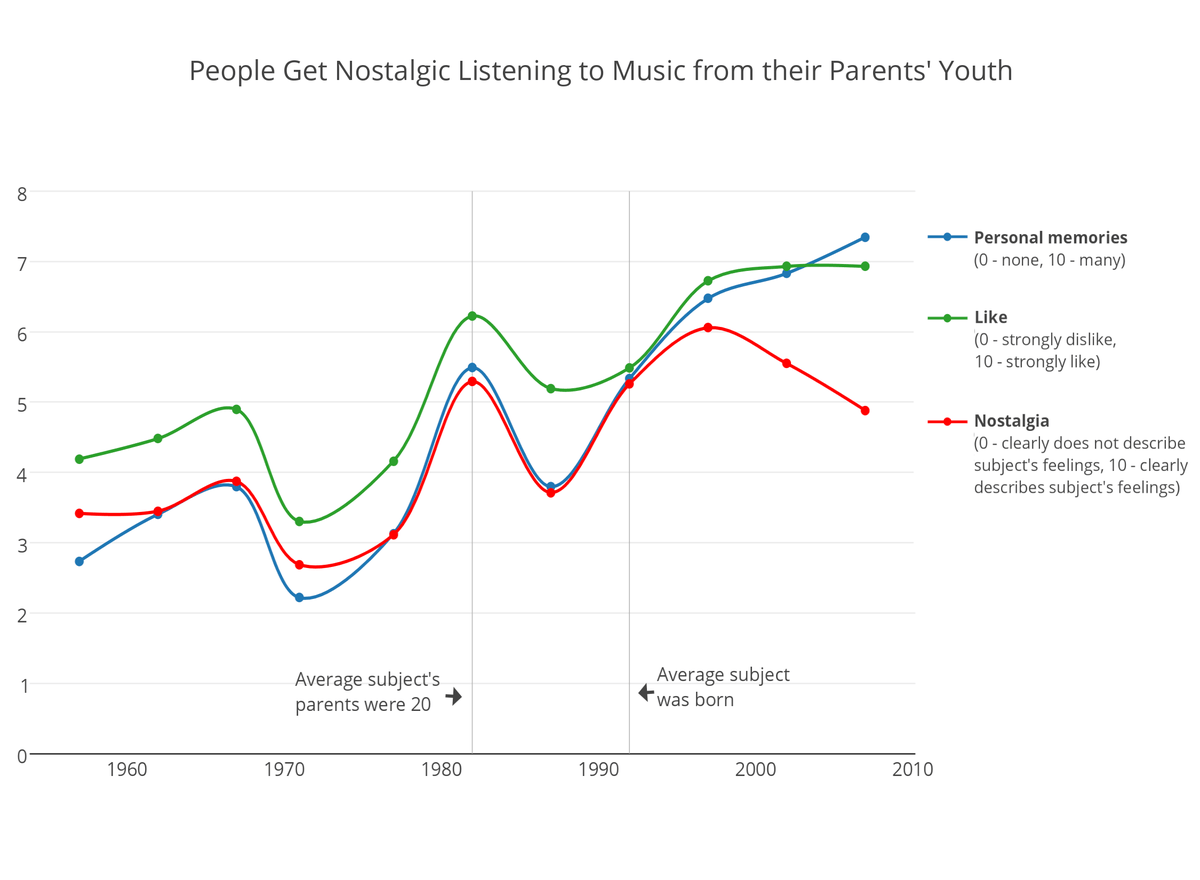
Nostalgia cycles typically operate on a 20-year or 50-year interval. The 50-year mark is particularly lucrative for physical media and high-end collectibles (limited edition Blu-rays, 1:6 scale figures, and "Art of" books). The reunion acts as the primary promotional vehicle for these high-margin items.
The IP Relaunch Catalyst
In the modern studio system, a 50th-anniversary reunion is often used as a "Temperature Check" for a potential reboot or spin-off. By gauging the social media sentiment and the speed of ticket sell-outs for the PaleyFest event, executives can quantify the latent demand for a new Charlie’s Angels project. If the engagement metrics exceed a specific threshold, it lowers the "Cost of Acquisition" for a new audience, as the 50th-anniversary buzz provides "free" foundational marketing.
Cultural Arbitrage and the "Angels" Paradigm
The enduring power of the brand lies in its Cultural Arbitrage—the ability to take a specific 1970s liberationist sentiment and repackage it for a mass-market audience. At the 50-year mark, the analysis shifts from "Is the show good?" to "How did the show shape the medium?"
The primary logical fallacy in criticising the original series is ignoring its Structural Innovation. Charlie’s Angels was the first to prove that a female ensemble could carry a global action brand without a male lead on screen. By removing "Charlie" from the frame and making him a disembodied voice, the show created a vacuum that the three women filled, effectively decentralizing authority. This is the "Product Blueprint" that current action franchises still struggle to replicate with the same efficiency.
Strategic Recommendation for IP Holders
The 2026 PaleyFest reunion should be viewed as the Liquidity Event for the 1976 iteration of the brand. For stakeholders looking to replicate this success with other "Legacy Assets," the logic is clear:
- Prioritize Archetypes over Actors: Ensure the reunion emphasizes the roles as cultural icons. This allows the brand to survive even as the original cast becomes less available for public appearances.
- Monetize the Meta-Narrative: Don't just show clips; analyze the production. The audience at a 50th anniversary is more interested in the "Behind the Scenes" struggle and the industry context than a simple plot recap.
- Deploy Scarcity Marketing: Avoid over-exposure. The reason the Charlie’s Angels reunion at PaleyFest is significant is that it is a singular, localized event. Digitization should be delayed or gated to preserve the "Event Status."
The 50th-anniversary reunion is the final stage of a brand's transition into the "Canon." The Paley Center’s execution demonstrates that with the correct structural framing, a 50-year-old television show can be transformed from a relic into a high-functioning economic engine. The objective is no longer to entertain, but to certify a legacy that will continue to generate passive revenue through the next century of media consumption.