The introduction of the Basic Housing Unit (BHU) standard represents a terminal shift in the Hong Kong low-income housing market, moving from a laissez-faire equilibrium to a state-managed quality floor. This regulatory intervention forces a massive capital expenditure (CapEx) cycle upon a fragmented landlord class that has historically operated on high-yield, low-maintenance models. The survival of these microscopic real estate assets now depends on a binary outcome: immediate structural remediation or total asset decommissioning.
The Cost Function of Compliance
For the estimated 110,000 households currently residing in subdivided units (SDUs), the transition to BHU status is not merely a legal checkbox but a fundamental reconfiguration of the unit’s internal physics. Landlords face a specific cost function driven by three non-negotiable variables: Recently making headlines lately: The Cuban Oil Gambit Why Trump’s Private Sector Green Light is a Death Sentence for Havana’s Old Guard.
- Spatial Minimums: The requirement for a minimum floor area of 8 square meters (approximately 86 square feet) triggers a "density tax." Units that fall below this threshold must be merged, instantly reducing the total rent-yielding units within a single flat.
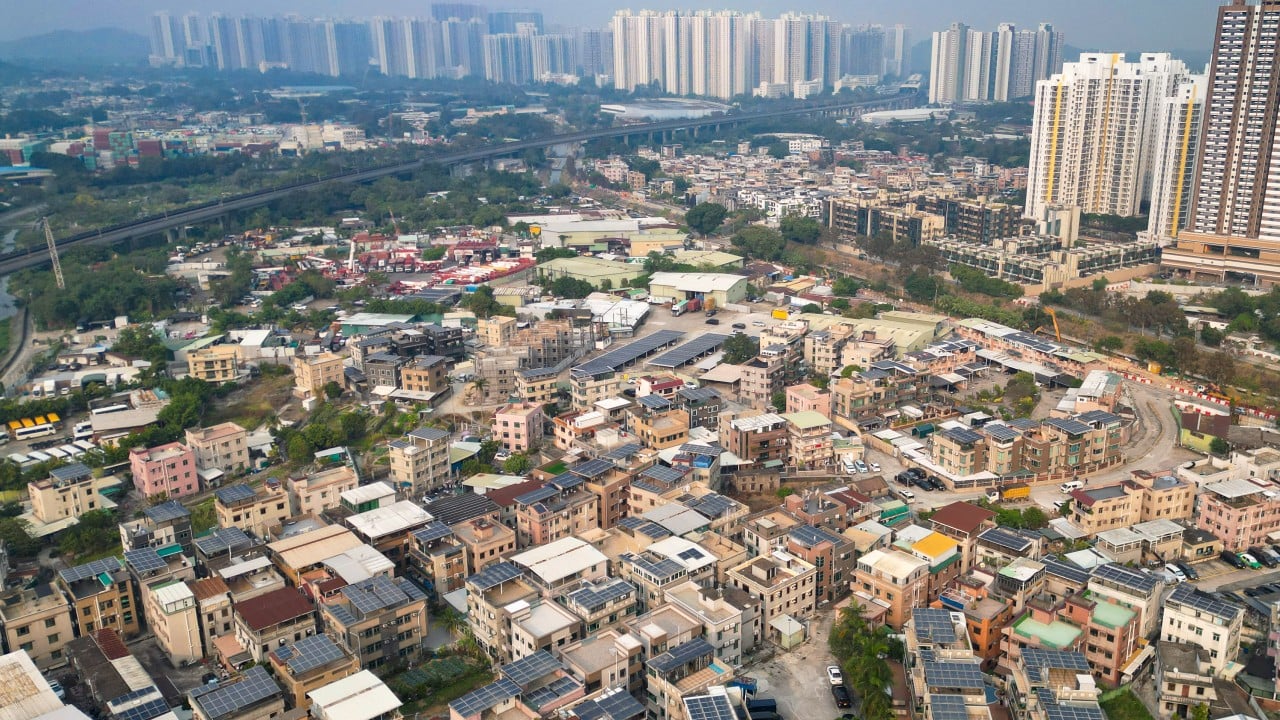
- Structural Hygiene: The mandatory inclusion of windows and independent toilets requires invasive plumbing and facade alterations. In high-density districts like Sham Shui Po or Mong Kok, where building age often exceeds 50 years, these modifications face significant technical bottlenecks.
- Fire Safety and Ventilation: Compliance requires fire-rated doors and standardized corridors, further eroding the net leasable area (NLA).
Early market movers—landlords who have already begun spending millions in HKD—are attempting to front-run the inevitable labor shortage and material inflation that will occur once the grace period nears its end. By deploying capital now, these operators are betting on a "flight to quality" where compliant units command a premium that offsets the loss of unit density.
Market Bifurcation and the Yield Compression Trap
The SDU market is currently undergoing a violent decoupling. We can categorize the landlord response into a tiered strategic framework based on their capital position and asset quality. Further information regarding the matter are covered by The Wall Street Journal.
The Institutional Consolidators
Professional landlords holding entire floors or multiple blocks are treating this as a portfolio optimization event. They leverage economies of scale to reduce the per-unit cost of renovation. By standardizing the "Basic Housing Unit" template across their holdings, they mitigate the risk of individual unit failure. Their objective is long-term yield stability rather than short-term cash flow.
The Marginal Operators
Small-scale landlords owning one or two units are trapped in a liquidity crunch. The cost of installing independent toilets and fire-rated infrastructure in a 100-square-foot space can range from HK$50,000 to HK$150,000. When this CapEx is measured against a monthly rent of HK$4,000 to HK$6,000, the payback period extends beyond five years. Many in this category will choose to exit the market, leading to a temporary contraction in total supply.
The Decommissioning Cohort
Units located in "tong lau" (tenement buildings) with insurmountable structural defects—such as a lack of external wall access for windows—are effectively stranded assets. These units cannot be converted to BHUs. The only logical path for these owners is a pivot to short-term storage or total sale to redevelopers, though the latter is hindered by high interest rates and a sluggish property market.
The Social Externality of Supply Contraction
A critical oversight in the current regulatory discourse is the "displacement delta." When a landlord merges two 60-square-foot units to create one 120-square-foot BHU, a tenant is displaced. This creates a supply-side shock that the public housing system is not yet equipped to absorb.
The government’s "Light Public Housing" (LPH) initiative acts as a buffer, but the timing mismatch is the primary risk factor. If the enforcement of BHU standards outpaces the delivery of LPH and traditional Public Rental Housing (PRH), the lowest decile of earners will face a rent spike in the dwindling pool of compliant private units. This is a classic case of regulatory-induced price inflation; by mandating a quality floor, the government has inadvertently raised the price floor for entry-level shelter.
Engineering and Architectural Constraints
The transition to BHUs is not just a financial hurdle but an engineering puzzle. Most SDUs are located in buildings that were never designed for high-density plumbing.
- Drainage Load: Adding ten independent toilets to a floor originally designed for two creates immense pressure on the building’s vertical soil pipes. Blockages and leakages are the primary failure points in non-compliant renovations.
- Electrical Overload: Subdivided units often lack sufficient amperage to run individual water heaters and air conditioners simultaneously. Upgrading the building’s main switch room is a collective action problem that requires the consent of all owners, which is notoriously difficult to obtain in fragmented "Three-No" buildings (no owners' corporation, no residents' organization, and no property management company).
- Weight Distribution: The addition of internal partitions (often made of heavy brick or substandard concrete) and the "raised floor" method used to hide plumbing can exceed the original structural load-bearing capacity of the slab.
Operators currently spending millions are often forced to use lightweight materials and high-efficiency MEP (Mechanical, Electrical, Plumbing) systems to circumvent these constraints. This increases the upfront cost but reduces the long-term maintenance liability—a trade-off that only sophisticated landlords are willing to make.
Strategic Trajectory for Urban Redevelopment
The BHU legislation is the first step in a broader strategy to "cleanse" the urban core of substandard housing before the 2030s. It serves as a precursor to more aggressive compulsory sale thresholds. By making it financially unviable to operate substandard SDUs, the government is lowering the resistance to site assembly for major developers.
The logic follows a predictable sequence:
- Regulate: Set standards that marginalize low-quality assets.
- Squeeze: Increase enforcement and fines for non-compliance.
- Consolidate: Assets lose value as income-producing entities, making them ripe for acquisition and redevelopment into higher-margin "nano-flats" or luxury residences.
The "millions" spent by the first batch of landlords are a defensive hedge against this obsolescence. They are buying time, betting that a compliant unit will remain a viable cash-cow for at least another decade until the building itself is slated for demolition.
The Operational Playbook for Compliance Transition
Landlords remaining in the market must shift from a "collection" mindset to a "management" mindset. The era of the hands-off SDU operator is ending. Survival requires:
- Standardized Modular Retrofitting: Utilizing prefabricated bathroom pods to reduce on-site labor costs and ensure waterproofing integrity.
- Pre-emptive Structural Audits: Engaging authorized persons (APs) to certify load-bearing capacities before beginning renovations to avoid costly "stop-work" orders from the Buildings Department.
- Tenant Relocation Management: Creating a phased renovation schedule that allows for internal transfers within a portfolio to minimize vacancy rates during the CapEx cycle.
The market is no longer pricing in "units." It is pricing in "certified compliance." The value of an SDU in 2026 will be determined entirely by its ability to produce a BHU certificate. Any asset without this documentation will be discounted to its raw square footage value, minus the cost of demolition.
Landlords should immediately conduct a feasibility study on their entire portfolio, categorizing each unit by its "Cost-to-BHU" ratio. Units requiring more than 24 months of rental income to cover the conversion cost should be divested immediately to capitalize on the remaining window of regulatory ambiguity. The remaining capital should be consolidated into units with external window access and central plumbing stacks, as these will form the new baseline for urban low-income housing.